Understanding the Form 1099: What You Need to Know
In the maze of tax paperwork, Form 1099 often stands out. It's a frequent topic of discussion come tax season, and yet, not everyone fully understands its purpose or the implications it carries. Whether you're a freelancer, contractor, or just someone trying to navigate the intricacies of the U.S. tax system, you must get a grip on this document. Let's pull back the curtain on Form 1099, unraveling its appearance, its purpose, and what you should do if you receive one. 📄
What Is Form 1099?
Form 1099 is a tax form used by the Internal Revenue Service (IRS) to document various types of income that are not covered by wages, salaries, or tips. For those who earn a variety of income streams outside of typical employment structures, this form plays a crucial role.
Types of Form 1099
It’s essential to note that there isn’t just one Form 1099. Instead, there are several versions, each pertaining to different types of income:
- 1099-MISC: For income from freelance or contractor work.
- 1099-DIV: For dividends received from investments.
- 1099-INT: For interest income, typically from banks.
- 1099-G: For government payments such as tax refunds.
- 1099-R: For distributions from pensions, annuities, retirement, or profit-sharing plans.
Understanding which specific form you have is crucial for proper tax reporting.
What Does Form 1099 Look Like?
General Structure
At its core, every Form 1099 has a similar layout, which includes:
- The payer’s information: This is the entity that is reporting the income you received.
- The recipient’s information: Your details, typically your Social Security Number (SSN) or Employer Identification Number (EIN).
- The income amount: The money you earned during the tax year.
Key Sections to Identify
- The Filer's Information: Includes the name, address, and identification number of the person or entity that made the payment.
- Recipient's Details: Your address, tax ID, and other pertinent details.
- Income Details: Specifies amounts paid under terms like non-employee compensation, interest, dividends, etc.
- Boxes for Different Income Types: This can vary based on the specific type of Form 1099 you receive, such as Box 1 for rents, Box 3 for other income, and Box 7 for nonemployee compensation in a 1099-MISC.
A Visual Snapshot
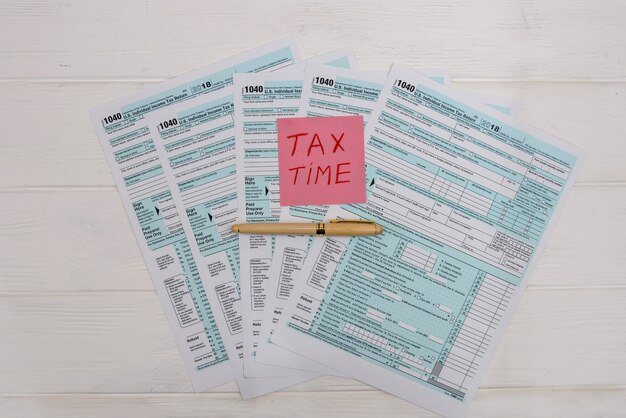
While each form has these common elements, the exact appearance can vary slightly. The design is such that it can be easily scanned both by humans and machines, with large boxes for detailing amounts and clear labels for ease of understanding.
Why Receiving a 1099 Is Important
Receiving a Form 1099 is pivotal in your financial documentation as it alerts you to the income reported to the IRS. Here are a few aspects that make it important:
- Income Transparency: It ensures a transparent record of all types of income apart from your salary.
- Tax Liability: It dictates how much you owe in taxes beyond what may be withheld by employers.
- Financial Record Keeping: Provides a comprehensive view into financial inflows, aiding in managing and planning personal finances.
What To Do After Receiving Form 1099
Upon getting a Form 1099, there are several steps you should take:
- Verify the Information: Check for accuracy concerning your identity and the amount noted.
- Record-Keeping: Keep it safe for your records and refer to it when preparing your taxes.
- Report the Income: Use the form when filing your taxes, incorporating it into your income reporting on the relevant tax return.
- Address Discrepancies: If there are errors, contact the payer immediately for corrections.
Common Questions About Form 1099
Do I Have to Pay Taxes on 1099 Income?
Yes, income reflected on Form 1099 is taxable. Since taxes are not usually withheld from these payments, you may need to make estimated tax payments to avoid penalties.
What if I Don’t Receive a Form 1099?
Not receiving a Form 1099 does not absolve you of reporting the income. If you’re aware of the income, it should still be reported. This income is subject to the same tax considerations even without the form in hand.
Are There Penalties for Failing to Report 1099 Income?
Failure to report can lead to penalties, interest charges, or even audits. The IRS receives a copy of the 1099, so it’s crucial to include all reported amounts in your tax filing.
A Practical Checklist for Managing Form 1099s 📋
- 🛡️ Verify All Information: Double-check personal details and income amounts.
- 📊 Organize Efficiently: Create a systematic way to collect and organize your 1099 forms, especially if you receive multiple.
- 📝 Report Promptly: Ensure all incomes are reported on your tax return, utilizing the correct IRS forms such as Schedule C or Schedule D where applicable.
- ✅ Stay Current: Pay any estimated taxes due to reduce your risk of penalties.
- 🔍 Follow Up: If discrepancies arise, reach out quickly to have them rectified.
When and How Are 1099 Forms Issued?
The process typically follows this timeline:
- January 31: Most payers are required to send out 1099 forms by this date.
- February 28: The deadline for recipients to report discrepancies to payers.
- April 15: Tax Day, by which all Form 1099 income should be reported on your tax return.
Forms are generally mailed, but digital versions might also be available based on payer policies.
Key Takeaways 🎯
- Form 1099 is crucial for freelancers and investors, serving as documentation for income not withheld by employers.
- It comes in different versions, each detailing various income types like dividends, interest, or freelance earnings.
- Accuracy Matters: Verify the information and report it correctly to ensure compliance and avoid IRS issues.
- Proactive Management: Stay on top of your tax responsibilities by keeping meticulous records and handling any discrepancies promptly.
Understanding Form 1099 boosts your financial acumen, ensuring not just compliance, but an enhanced grasp of managing diverse income streams. Use this guide to navigate the nuances of Form 1099 confidently and efficiently.
Discover More
- a 1099
- Can 1099 Employees Get Unemployment
- Can 1099 Get Unemployment
- Can a 1099 Employee Collect Unemployment
- Can a Full Time Position Be Ic 1099
- Can An Individual Issue a 1099 To Another Individual
- Can I 1099 Myself From My Llc
- Can I File a 1099 b On My Bank Deposits
- Can You 1099 Someone You Paid Cash
- Can You File a 1099 On Turbotax For Free