Understanding Your 1099-G Tax Form: What It Is and Why It Matters
If you've ever received unemployment compensation or certain types of state or local government payments, you might have been handed a seemingly cryptic piece of paper come tax season: the 1099-G form. For many, this form can come with a lot of questions. Don't worry—it's more straightforward than it appears and understanding it is key to managing your taxes smoothly. Let's dive into what a 1099-G tax form is, who might receive one, and how it factors into your tax filing responsibilities.
What is a 1099-G Tax Form?
In essence, a 1099-G form is a document that the government uses to report certain types of payments to taxpayers. The "G" stands for "Government." It is primarily used for reporting payments like unemployment compensation, state or local income tax refunds, agricultural payments, and taxable grants. The issuing body is often a state or local agency or, in some cases, the federal government.
Key Features of Form 1099-G
- Details Payments: Include unemployment benefits, state and local tax refunds, and other governmental payments.
- Issued by Government: Sent by state governments or local agencies to the recipient and the IRS.
- Reporting: Essential for accurately reporting taxable income.
Who Should Expect to Receive a 1099-G?
Not everyone gets a 1099-G form. It's specifically tied to government-related payments. Here are common scenarios in which you might receive one:
Unemployment Compensation
If you received unemployment benefits, expect a 1099-G. The IRS considers unemployment compensation as taxable income, and thus, it needs to be reported.
Tax Refunds
If you received a state or local tax refund, you might receive a 1099-G. Note that you only need to report it as income under certain circumstances, which we'll explore later.
Agricultural and Other Payments
This form also reports taxable grants and agricultural payments. If you're a farmer or involved in agricultural production, you might encounter this when receiving government subsidies.
Understanding the Details on Your 1099-G
When you receive your 1099-G, it will contain several key pieces of information:
- Payer's Information: The government entity that issued the payment.
- Recipient's Information: Your name, address, and Social Security Number.
- Payment Details: The box showing the total amount of the payment or refund.
Common Boxes on the Form
- Box 1: Unemployment compensation.
- Box 2: State or local income tax refunds.
- Box 7: Additional fees.
It's crucial to ensure all the information, especially your personal data, is correct. Mistakes can lead to significant discrepancies when filing taxes.
How to Use Your 1099-G When Filing Taxes
Once you've received your 1099-G, it doesn't just sit and collect dust. This form plays an integral role in how you file your annual taxes.
Unemployment Benefits and Tax Filing
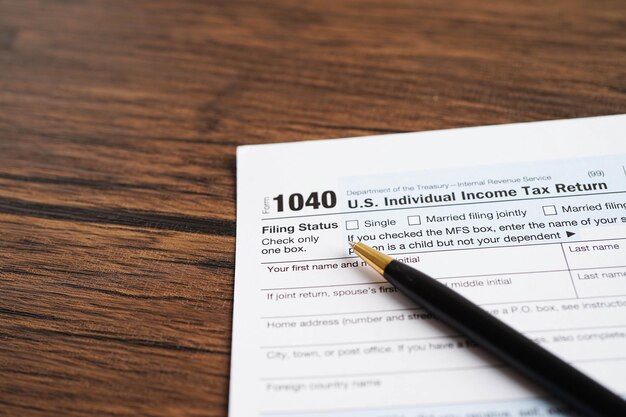
Unemployment benefits are subject to federal income tax and possibly state income tax, depending on your state of residence. You'll need to report these benefits on your federal tax return. Use the amount listed in Box 1 as the figure to report on your 1040 form.
State Tax Refunds: Do You Need to Report?
Whether you need to report your state tax refund as income depends on whether you itemized deductions in the previous year. If you did, it might count as income; if not, you typically don’t need to report it.
Tips for Filing With a 1099-G
- Double-check figures: Compare the form with your records to ensure accuracy.
- Use tax software: Many programs automatically integrate 1099-G data.
- Consult a professional: If unsure, financial advisors can clarify complex tax scenarios.
Avoiding Common 1099-G Mistakes
Filing your taxes can be a delicate process, and the 1099-G is no exception. Here’s how to sidestep common pitfalls:
Not Reporting Unemployment Income
Failing to report unemployment benefits can lead to penalties and interest. Always include this income when calculating your taxes owed.
Misreporting Figures
Ensure that figures from your 1099-G match those you report on your tax return. Even minor discrepancies can trigger an IRS audit.
Overlooking Deductions
Understand how tax refunds interact with your deductions. If you didn’t itemize, you might be able to skip additional reporting, helping simplify your return process.
Implications for Tax Planning
The impact of the 1099-G extends beyond mere filing. It can influence your broader financial and tax planning strategies.
Estimated Taxes
Receiving unemployment compensation might necessitate the payment of estimated taxes. If withholding didn’t cover your tax liability, estimated payments help avoid penalties.
Future Financial Planning
Receiving a refund typically means you’ve overpaid taxes initially. Adjust withholding or estimated payments to maximize your monthly cash flow and minimize next year's refund. Professional guidance can aid in optimizing your tax position throughout the year.
🔍 Quick Reference Guide to 1099-G
- 📄 What It Is: Reports government payments like unemployment benefits and state tax refunds.
- 🕵️ Who Gets It?: Those receiving unemployment, tax refunds, or other government payments.
- 💡 Key Actions:
- Report accurately on your tax return.
- Keep track of tax adjustments needed for next year.
- Consult a professional for personalized advice.
What To Do If You Don’t Receive Your 1099-G
Sometimes, you might not receive your 1099-G when expected. Here's how to handle such situations:
Verify with Issuing Agency
Double-check with the agency responsible for disbursing payments, such as the state unemployment office, to confirm whether the form was sent or verify your mailing information.
Understand Delays
Mail delays or errors are possible. Ensure the agency has correct details and allow for potential delays, especially during busy mailing seasons.
Request a Copy
In case the original is lost, request a replacement copy well ahead of the tax deadline.
How the 1099-G Affects Different Filing Scenarios
Tailor your understanding of the 1099-G according to your unique situation, ensuring precise filing:
Standard Filers
Those filing with straightforward income might only need to acknowledge unemployment compensation accurately, minimizing complexity.
Self-Employed Individuals
Self-employed taxpayers might need to account for the form's figures when projecting quarterly tax payments, since any government payments received contribute to overall taxable income.
Those with Multiple 1099s
If you are receiving multiple 1099s, ensure each one is accurately reflected within your filings to maintain integrity and avoid audits.
IRS Audits and 1099-G: Red Flags to Watch For
To avoid unintended scrutiny, understand how typical red flags associated with the 1099-G can lead to IRS audits:
Inconsistencies
Mismatch between the amounts reported and your income can prompt IRS reviews. Thoroughly check everything aligns.
Non-Compliance
Not acknowledging 1099-G influences, such as unemployment income, might trigger audits or penalties.
Steps to Avoid Red Flags
- Maintain Records: Keep detailed records of all payments and refunds.
- Review Thoroughly: Cross-check all entries before submission.
- Consider Professional Help: Engage with a tax accountant to ensure all entries are compliant.
In conclusion, while the 1099-G form may initially seem like just a piece of paper, it has significant implications for your annual tax filing and financial strategy. Properly understanding and using this form can aid in not only filing accurate taxes but also contributing to informed, year-round tax planning. So the next time you find this form in your mailbox, you'll be better equipped to handle what it brings to your financial table. 📊
Discover More
- a 1099
- Can 1099 Employees Get Unemployment
- Can 1099 Get Unemployment
- Can a 1099 Employee Collect Unemployment
- Can a Full Time Position Be Ic 1099
- Can An Individual Issue a 1099 To Another Individual
- Can I 1099 Myself From My Llc
- Can I File a 1099 b On My Bank Deposits
- Can You 1099 Someone You Paid Cash
- Can You File a 1099 On Turbotax For Free