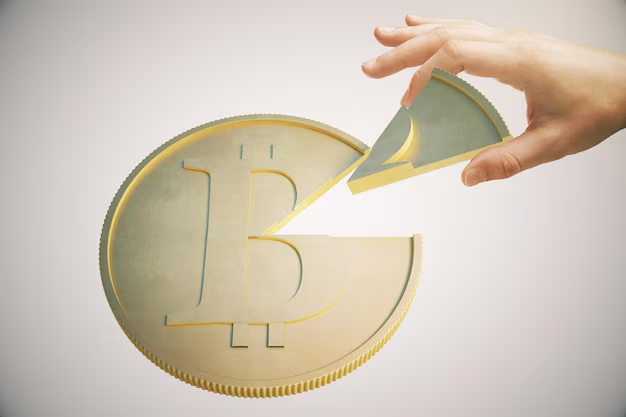
Turning Bitcoin into Dollars: Your Comprehensive Guide
In the evolving world of cryptocurrency, Bitcoin remains a dominant force. Beyond its digital allure, owners often face the practical need to convert Bitcoin into cash, a vital step for many in the cryptocurrency journey. Whether you're cashing out to cover everyday expenses or leveraging a profitable investment, the process requires careful consideration. This guide is designed to demystify the transition from Bitcoin to dollars, ensuring you make informed and secure choices.
Understanding Your Options
When it comes to converting Bitcoin to cash, it's essential to know the avenues available. Each method comes with its own advantages and potential pitfalls, tailored to diverse preferences and circumstances.
Cryptocurrency Exchanges
Centralized Exchanges: Centralized exchanges are popular for their user-friendly interfaces and excellent liquidity. They allow users to sell Bitcoin for cash directly deposited into a linked bank account.
- Pros: Ease of use, broad availability, high transaction speeds.
- Cons: Service fees, potential wait times for bank transfers, and a need to trust the platform.
Decentralized Exchanges: These platforms offer more privacy as they don't require verifying identity to the same extent as centralized platforms.
- Pros: Greater privacy, control over personal data.
- Cons: Lower liquidity, can be more challenging for beginners.
ATM Withdrawals
Bitcoin ATMs function like traditional ATMs but with the added ability to convert Bitcoin to fiat currency. Locate a Bitcoin ATM, initiate a withdrawal, and receive cash.
- Pros: Immediate cash access, no need for traditional banking.
- Cons: High transaction fees, limited distribution in some areas.
Peer-to-Peer (P2P) Platforms
P2P platforms facilitate direct transactions between individuals. Users can negotiate sales on their terms, often with various payment methods like bank transfers or cash meet-ups.
- Pros: Flexibility in payment methods, potential for better rates.
- Cons: Increased risk of scams, requires trust in the transaction process.
Factors to Consider
While the pathways to convert Bitcoin to cash are numerous, some core factors should guide your decision:
Security
Platform Reputation: Ensure you're using a reputable platform with strong security protocols. Look for user reviews and industry ratings to gauge reliability.
Personal Security: Especially with P2P transactions, personal safety should not be compromised. Prioritize well-lit, public places for face-to-face exchanges.
Fees and Costs
Transaction fees can significantly impact the conversion value. Centralized exchanges often charge percentage-based fees, while Bitcoin ATMs may have flat or percentage fees—understanding these costs help optimize your conversion.
Speed of Transaction
The urgency of your cash needs can dictate your method choice. Exchanges may have bank processing times, while ATMs provide immediate cash access, albeit at a higher price.
Regulatory Compliance
Adhering to regional regulations is crucial. Ensure that your chosen method complies with local laws, avoiding potential fines or legal complications.
Steps to Convert Bitcoin to Cash via a Centralized Exchange
- Select a Platform: Choose a reputable exchange with user-friendly features and solid security.
- Create an Account: Provide necessary identification and undergo verification processes for compliance.
- Transfer Bitcoin to Wallet: Move your Bitcoin from external wallets to the exchange's wallet.
- Initiate Sale: Exchange Bitcoin for your chosen fiat currency.
- Withdraw Funds: Deposit funds into your bank account, understanding that processing times may vary.
Using Bitcoin ATMs: A Quick Guide
- Locate an ATM: Use online services to find a Bitcoin ATM near you.
- Verify Identity: Depending on the machine, complete necessary identity checks.
- Enter Bitcoin Amount: Specify the amount you wish to withdraw.
- Complete Transaction: Transfer Bitcoin to the provided wallet address and collect your cash.
Peer-to-Peer Advantages and Techniques
P2P transactions stand out due to their flexibility and potential for more favorable exchange rates. Here are some tips to navigate P2P platforms safely:
- Verify Buyer Reputations: Check user ratings and feedback.
- Use Secure Payment Methods: Choose platforms offering escrow services, which hold funds until transaction completion.
- Meet Safely: Prefer cash transactions in secure, public locations.
Challenges and Solutions
Bitcoin’s digital nature and volatility present unique challenges when converting it to cash. Here are some common challenges and how to manage them:
Price Volatility
Bitcoin’s value can fluctuate dramatically, impacting conversion potential. To mitigate risks, monitor market trends and plan transactions during stable periods.
Delays in Transactions
Processing times can vary with network congestion or banking processes. Choose platforms known for efficient processing and consider using faster payment options if available.
Scams and Fraud
Protect yourself by using platforms with stringent verification processes, and always remain vigilant for fraudulent offers, particularly in P2P networks.
Key Takeaways for Success
Here's a concise list of principles to guide your Bitcoin-to-cash journey:
- 🛡️ Security First: Prioritize security in platform choice and personal interactions.
- 💰 Understand Fees: Analyze and account for transaction fees in your calculations.
- ⌛ Plan Timing: Consider market stability and bank processing times.
- 📝 Stay Informed: Keep abreast of regulatory changes and evolving market conditions.
Navigating Future Trends
The cryptocurrency landscape is rapidly evolving. Staying informed about regulations and technological advancements will enable more efficient Bitcoin conversions. Engage with community forums and financial news to keep your strategies aligned with current trends.
In conclusion, converting Bitcoin to cash is a multifaceted process tailored to individual needs and circumstances. By grasping the nuances of each method and remaining vigilant about security, costs, and compliance, you can smoothly transition your digital holdings into tangible assets. As the world of cryptocurrency continues to expand, being proactive and informed remains your strongest ally.