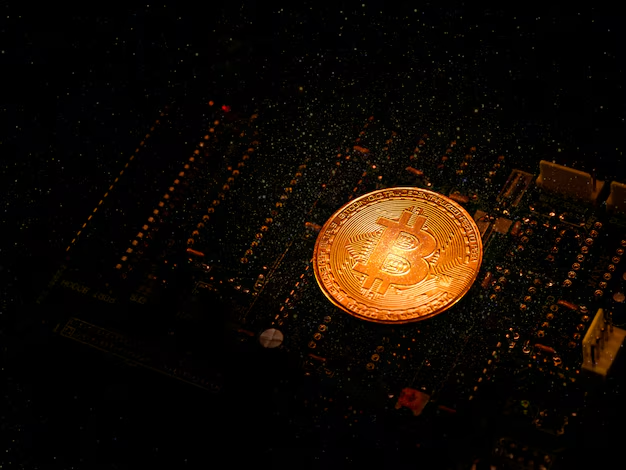
The Latest Bitcoin Halving: What You Need to Know
You've probably heard of Bitcoin and maybe even about its enigmatic creator, Satoshi Nakamoto. But the term "Bitcoin Halving" might sound like a mysterious ritual exclusive to seasoned cryptocurrency enthusiasts. What exactly is it, and why does it matter? In this comprehensive guide, we delve into when the last Bitcoin halving occurred and explore the intricate details of this pivotal event. Get ready to unlock the mysteries of Bitcoin halvings with us.
🔍 Understanding Bitcoin Halving
Bitcoin Halving is a crucial event in the cryptocurrency world. It refers to the process that reduces the rewards miners receive for verifying transactions and securing the Bitcoin network. The halving is programmed to occur approximately every four years and is one of the fundamental features that make Bitcoin unique.
Why Does Halving Happen?
Halving is embedded in Bitcoin's code as a way to control inflation by gradually reducing the amount of new Bitcoin entering circulation. Every 210,000 blocks, the reward for mining a block is halved. This reduction continues until all 21 million Bitcoins are mined, a number hardcoded into the Bitcoin protocol. The halving ensures that Bitcoin remains a scarce resource, similar to precious metals like gold.
Historical Context of Bitcoin Halving
Bitcoin has undergone several halvings since it was launched in 2009. Each event has marked a significant moment in Bitcoin's history, affecting its market value, miners' activities, and overall cryptocurrency landscape. Understanding these past events helps grasp the current and future implications of halving.
📅 When Was The Last Bitcoin Halving?
The most recent Bitcoin halving occurred on May 11, 2020. This event was the third halving in Bitcoin's history, reducing the block reward from 12.5 BTC to 6.25 BTC. It marked another step towards the eventual cap of 21 million Bitcoins.
The Impact of the 2020 Halving
The 2020 halving drew widespread attention for several reasons:
- Market Anticipation: Investors and enthusiasts speculated about potential price surges, a pattern observed in previous halvings.
- Mining Adjustments: Miners had to cope with reduced rewards, necessitating efficient operations and potentially driving less effective miners out of business.
- Hash Rate Fluctuations: The network's hash rate, a measure of computational power, experienced adjustments as miners balanced costs with reduced rewards.
Analyzing Post-Halving Effects
While immediate financial impacts were debated, many analysts observed that the 2020 halving contributed to Bitcoin's increasing scarcity, supporting its status as "digital gold." This scarcity has been cited as a factor in price movements following the event.
🚀 How Bitcoin Halving Affects Stakeholders
Bitcoin halving impacts various stakeholders, including investors, miners, and the broader cryptocurrency community. Here's how:
For Investors
Price Dynamics: Historically, halving events generate volatility in Bitcoin's price. Investors often anticipate long-term price increases due to the reduced supply of new Bitcoins.
Market Sentiment: Halving can influence investor confidence and sentiment, affecting trading strategies and decisions.
For Miners
Profit Margins: Miners rely on block rewards for revenue. Halving slashes these rewards, prompting miners to upgrade technology or optimize operations to maintain profitability.
Network Security: Miners play a critical role in securing the Bitcoin network. Despite reduced rewards, consistent mining activity ensures the network remains robust and secure.
For the Cryptocurrency Community
Technological Advancements: Halving events often spur innovations in mining hardware and energy efficiency, driving technological progress in the industry.
Increased Awareness: Each halving generates significant media coverage, introducing Bitcoin and its unique economics to a broader audience.
🛠️ Insights Into The Future of Bitcoin Halving
With the next Bitcoin halving expected around 2024, stakeholders are already speculating about its potential impacts. Here's what to consider:
Long-Term Implications
Increasing Scarcity: As future halvings continue, Bitcoin's scarcity will intensify, potentially influencing its value proposition as a store of value.
Evolving Technology: Mining technology will likely continue to evolve, with innovations focusing on energy efficiency and cost-effectiveness.
Potential Challenges
Network Stability: Ensuring network security with reduced miner incentives remains a critical challenge.
Regulatory Considerations: As Bitcoin's role in the financial system evolves, regulatory discussions around cryptocurrencies may gain momentum.
🌟 Key Takeaways
Before concluding our exploration of Bitcoin halving, here are some key insights and practical pointers to remember:
Halving Cycle: Bitcoin halves approximately every four years, reducing block rewards and contributing to its scarcity.
Historical Patterns: Past halvings have been associated with price volatility, increased media attention, and shifts in mining activity.
Diverse Impacts: Investors, miners, and the wider community all experience the effects of halving events differently.
Future Prospects: While the future is uncertain, ongoing technological and regulatory changes are likely to shape Bitcoin's trajectory.
📊 Quick Reference Table: Bitcoin Halving at a Glance
| Aspect | Details |
|---|---|
| Latest Halving | May 11, 2020 |
| Block Reward Reduction | From 12.5 BTC to 6.25 BTC |
| Next Expected Halving | 2024 |
| Key Stakeholders | Investors, Miners, Cryptocurrency Community |
| Long-term Impacts | Increasing scarcity, technological evolution |
In the ever-evolving world of Bitcoin, understanding the nuances of halving is essential. Whether you're an investor eyeing potential gains, a miner optimizing operations, or a curious onlooker, Bitcoin halving remains a pivotal event with far-reaching consequences. As the digital landscape continues to shift, staying informed about such phenomena will empower you to navigate the crypto realm with confidence.
Keep this guide as a handy reference to navigate through this critical aspect of Bitcoin's ecosystem, and stay tuned as we await the exciting developments following the next halving! 🚀