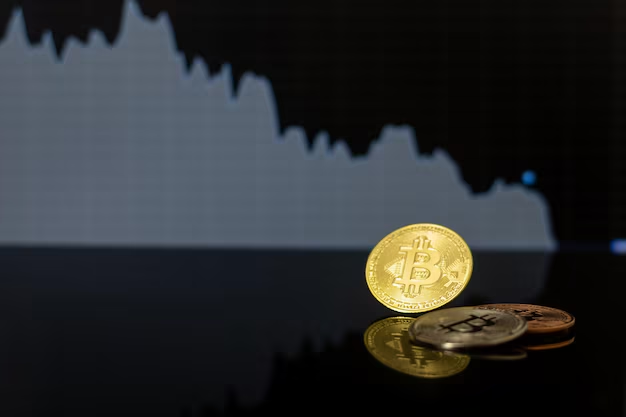
Why Is Bitcoin Dropping? Understanding the Dynamics Behind the Decline
Bitcoin, often hailed as the digital gold of the 21st century, has captivated investors and tech enthusiasts worldwide with its promise of decentralization and high returns. However, as with any volatile asset, Bitcoin has its fair share of ups and downs. If you’ve been following its journey recently, you might find yourself wondering, why is Bitcoin falling? Let’s dive into the nuances and explore the factors contributing to Bitcoin’s decline.
📉 Market Sentiment and Speculation
The Role of Market Sentiment
The price of Bitcoin is highly influenced by market sentiment. Unlike traditional currencies, Bitcoin does not have a central authority to stabilize its value. This means it heavily relies on public perception and confidence. When investors hold a positive outlook, they buy more Bitcoin, driving its price up. Conversely, negative sentiment, often fueled by media reports, regulatory news, or influential voices in the cryptocurrency community, can lead to fear and sell-offs, causing a drop in price.
Influence of Speculation
Speculation is another significant factor. It’s not uncommon for Bitcoin’s price to be driven by speculative trading. In a market where speculation is rampant, price swings are frequent. Traders often buy and sell based on anticipated price movements rather than intrinsic value, contributing to dramatic and sometimes abrupt changes in Bitcoin’s price.
🏛️ Regulatory Environment
Impact of Government Regulation
Governments globally are still grappling with how to regulate cryptocurrencies, and the regulatory environment can drastically influence Bitcoin prices. News of stricter regulations or outright bans in certain countries often leads to uncertainty and concern among investors, prompting them to sell. On the contrary, positive regulatory developments can spark optimism and buying activity.
Tax Policies
Tax policies regarding cryptocurrencies also play a role. Scrutiny by tax authorities or the introduction of taxes on cryptocurrency transactions can dampen enthusiasm, leading to market downturns as investors reevaluate their positions.
💻 Technological Challenges
Network Issues and Upgrades
Bitcoin, like any technology, isn’t immune to technological challenges. Issues such as network congestion, bug discoveries, or delays in critical upgrades can affect confidence in the system. These problems can lead to temporary price drops as the community works on solutions.
Energy Consumption Concerns
Another technological concern is Bitcoin’s high energy consumption. Bitcoin mining is energy-intensive, and criticism regarding its environmental impact can lead to negative sentiment. The perception that Bitcoin contributes to environmental harm can deter environmentally-conscious investors, influencing the market adversely.
📊 Economic Factors
Global Economic Conditions
Broader economic factors significantly impact Bitcoin. Uncertainty in global markets, fluctuations in traditional currencies, and economic downturns can cause investors to reconsider their cryptocurrency holdings. While some view Bitcoin as a hedge against economic instability, others may sell off their holdings to free up liquidity during tough times.
Inflation and Interest Rates
Inflation and interest rates also play a role. If inflation fears prompt central banks to raise interest rates, traditional savings and investment vehicles may offer improved returns, making them more attractive than volatile assets like Bitcoin.
🐋 The Influence of Whales
In the world of cryptocurrencies, whales are large holders or investors who have substantial quantities of Bitcoin. Their trades can significantly sway the market. When whales decide to sell large amounts of Bitcoin, it can lead to panic selling from other investors, resulting in a sharp decline in prices. Conversely, if whales are accumulating Bitcoin, it may signal a potential uptrend.
Summary 📝
Let's break down the key points about why Bitcoin might be falling right now:
- Market Sentiment: Negative sentiment can lead to sell-offs.
- Speculation: Speculative trading causes price volatility.
- Regulatory Environment: Stricter regulations lead to market uncertainty.
- Technological Challenges: Network issues and energy concerns can deter investments.
- Economic Factors: Global economic conditions, inflation, and interest rates influence Bitcoin’s appeal.
- Whales: Large-scale trades by major investors significantly impact price movements.
How Investors Can Respond
For investors, understanding these dynamics is crucial for making informed decisions. Here are some strategies to consider:
- Diversification: Don't put all your eggs in one basket. Consider diversifying your investments across different asset classes to mitigate risk.
- Stay Informed: Keeping up with the latest news and regulatory developments can help you anticipate market trends.
- Long-Term Perspective: Consider a long-term investment strategy that focuses on the potential of Bitcoin and other cryptocurrencies to avoid being swayed by short-term volatility.
- Risk Management: Set clear investment goals and establish stop-loss orders to manage and minimize potential losses.
Conclusion
Bitcoin's volatile nature can be attributed to a complex mix of market sentiment, regulatory news, economic factors, and technological challenges. While the current downward trend might be concerning for some investors, understanding the underlying factors can equip you with the knowledge to make more informed investment decisions. Remember, in the world of finance, being proactive and well-informed is your greatest asset. 🛡️