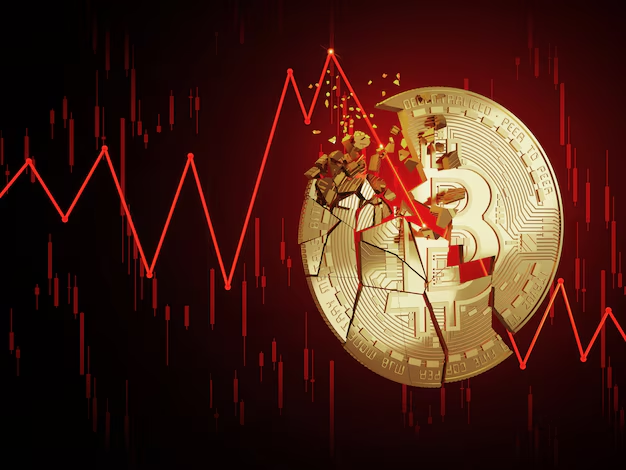
Is a Bitcoin Crash Inevitable? Understanding the Potential Risks and Realities
Cryptocurrency enthusiasts and investors often find themselves wondering, “Will Bitcoin crash?” This daunting question carries weight, especially given Bitcoin's notorious volatility and its history of dramatic price swings. Before delving into the complexities surrounding Bitcoin’s potential to crash, it's essential to understand what drives its value and the factors that might contribute to a significant decline.
📈 Understanding Bitcoin's Volatility
What Makes Bitcoin So Volatile?
Bitcoin's volatility stems primarily from its speculative nature. Various investors, from individuals to institutional players, pour substantial amounts of money into Bitcoin, driving its price up or down based on market sentiment rather than fundamental value. Unlike traditional assets, Bitcoin:
- Isn't tied to physical goods or cash flows.
- Lacks a long historical track record.
- Operates in markets with less liquidity and regulation.
The Role of Market Sentiment
Market sentiment, influenced by news, social media, and celebrity endorsements, significantly impacts Bitcoin prices. Announcements from influential figures or regulatory bodies can lead to rapid price fluctuations. This investor-driven sentiment can create bubbles or lead to sharp declines, fostering both optimism and fear about Bitcoin's stability.
🚧 Factors that Could Trigger a Bitcoin Crash
Regulatory Changes
Regulatory changes are one of the largest uncertainties surrounding Bitcoin. Governments worldwide are still figuring out how to manage and regulate cryptocurrencies, which could significantly impact Bitcoin’s value. Potential regulatory actions that might lead to a crash include:
- Restrictive Legislation: Banning or strictly regulating cryptocurrency exchanges.
- Taxation Policies: Imposing heavy taxes on crypto transactions or holdings.
- Tighter Controls: Enhancing Know Your Customer (KYC) and Anti-Money Laundering (AML) regulations.
Technological Vulnerabilities
Bitcoin, although highly secure, isn't immune to technological risks. Concerns over potential vulnerabilities include:
- 51% Attacks: If a group of miners controls more than 50% of the network’s hash power, it could alter transactions.
- Quantum Computing: Future advances in computing could compromise Bitcoin’s encryption.
Market Manipulation
Cryptocurrency markets are more susceptible to manipulation than traditional financial markets. The lack of regulation opens pathways for:
- Pump and Dump Schemes: Coordinated buying and selling to inflate then crash prices.
- Whale Movements: Large investors, or "whales," can influence and destabilize prices through massive trades.
🧐 How Likely is a Bitcoin Crash?
Historical Precedents
Bitcoin has experienced several dramatic price declines in its history. These events, often termed "crashes," typically result from speculative bubbles bursting. However, Bitcoin has historically rebounded, often reaching new heights, reflecting both resilience and risk.
Expert Perspectives
Financial experts and analysts hold varied opinions on Bitcoin’s future. Some believe further volatility and potential crashes are inevitable due to the reasons stated above. Others argue that as Bitcoin matures, increased adoption could stabilize its price, making abrupt crashes less likely.
🌐 Broader Market and Economic Impacts
Cryptocurrency Ecosystem
A Bitcoin crash could affect the broader cryptocurrency market significantly. Since Bitcoin often leads the market, its decline could drag down other cryptocurrencies, or “altcoins,” depending on their interdependence.
Global Economy
While the direct impact of a Bitcoin crash on the global economy could be limited, significant losses for investors might trigger broader financial distress. As cryptocurrencies become more entwined with traditional finance through instruments like Bitcoin futures, intermarket vulnerabilities may emerge.
🛡️ Mitigating Potential Risks
Diversification
Investors can manage risk by diversifying their portfolios. Limiting exposure to any single cryptocurrency, including Bitcoin, can help cushion against losses.
Staying Informed
Keeping abreast of market trends and regulatory developments can help investors anticipate potential risks. Engaging in communities and accessing reliable crypto news sources can provide timely insights.
Caution with Leverage
Trading with leverage can amplify gains, but it also increases risk. Investors should be cautious about margin trading or using leverage, especially during volatile periods.
🧩 Related Insights: The Future of Bitcoin
Potential Growth and Wide Adoption
Despite looming risks, Bitcoin’s future could be promising, bolstered by:
- Mainstream Acceptance: Growing adoption by major companies and institutions could stabilize prices.
- Technological Developments: Advances in the Bitcoin network, like the Lightning Network, offer more efficient transactions and scalability.
Institutional Interest
An increase in institutional interest might bring liquidity and market stability, potentially reducing the probability of severe crashes.
Environmental Concerns
The environmental impact of Bitcoin mining remains an ongoing concern. Efforts toward sustainable mining practices or switching to less energy-intensive algorithms could play significant roles in Bitcoin’s long-term viability.
🤔 Key Considerations for Investors
Before delving deeper into Bitcoin investments, here are some important considerations to keep in mind:
- Risk Tolerance: Assess your ability to withstand potential losses and volatility.
- Investment Goals: Align investments with long-term financial objectives rather than short-term gains.
- Educate Yourself: Thoroughly research and understand both the potential rewards and risks involved with investing in cryptocurrencies.
📝 Summary of Key Takeaways
- Volatility: Primarily driven by speculative investment and market sentiment.
- Regulatory Impact: Regulatory crackdowns can lead to major price shifts.
- Technological and Market Risks: Include security weaknesses and manipulation.
- Risk Management: Diversification and informed decision-making can mitigate threats.
- Mixed Outlook: While risks persist, potential for growth remains substantial.
Understanding the intricacies of Bitcoin’s potential crash scenarios requires a balanced approach that acknowledges both the inherent risks and the promising opportunities within the ever-evolving cryptocurrency landscape. With this nuanced perspective, investors and enthusiasts alike can navigate the crypto space more strategically and informedly.