What You Need to Know About Car Insurance for Uber Drivers
Imagine gearing up for your first shift as an Uber driver: the car is clean, the app is ready, and you're excited to start your journey into the world of ridesharing. But before you hit the road, there's a critical detail to address—car insurance. Understanding the insurance requirements for Uber drivers is essential to both comply with company policies and protect yourself legally and financially. In this guide, we'll delve into everything you need to know about car insurance when driving for Uber and the documents you need to provide.
📋 Why Is Car Insurance Important for Uber Drivers?
Car insurance serves as a protective barrier, covering costs associated with accidents, theft, and other potential damages or losses. For Uber drivers, insurance isn't just beneficial—it's essential. Uber requires all drivers to have their own personal auto insurance in addition to the coverage the company provides during different stages of a ride.
Here’s why car insurance is crucial:
Legal Requirement: Almost everywhere, having some form of car insurance is mandatory by law. Failing to have adequate insurance can result in fines, license suspension, or even more severe penalties.
Financial Protection: Without insurance, the costs of an accident could drain your savings. Insurance helps cover repair costs, medical expenses, and potential liability from lawsuits.
Contractual Obligation: Uber's terms of service stipulate that drivers must have personal auto insurance. Not meeting these requirements could lead to deactivation from the platform.
🛡️ Types of Coverage for Uber Drivers
Uber's insurance coverage is contingent on the phase of the ride you're in:
App Off: When your app is off, your personal auto insurance is active, and Uber provides no extra coverage.
App On, No Ride Accepted: A limited liability coverage kicks in if you have yet to accept a ride request. This acts as a backup to your personal insurance.
Enroute to Pick Up: Once you've accepted a ride and are heading to the passenger, your commercial insurance provided by Uber is active.
Rider in Vehicle: Comprehensive coverage continues until the end of the trip. This includes a higher level of liability, uninsured motorist, and collision insurance (subject to a deductible).
🗂 What Documents Are Required?
To start driving with Uber, you will need to provide certain documentation related to your car insurance, which includes:
🔍 Personal Auto Insurance
You must have a valid personal car insurance policy. Here are the necessary documents:
- Insurance Card: Proof that your vehicle is covered under a valid auto insurance policy.
- Declarations Page: This page from your insurance policy outlines the levels and types of coverage you have, including liability limits.
- Insurance Policy: While not always mandatory to present, having your full policy document handy can be useful for verifying detailed coverage specifics.
📄 Additional Uber Requirements
In some regions, Uber might have specific insurance requirements like rideshare endorsements that allow you to drive for Uber while your insurance complies with local regulations. This endorsement tailors your personal insurance to cover you during periods when Uber's coverage is limited.
🤔 Considerations for Choosing Insurance
While Uber provides coverage, having a robust personal insurance policy benefits drivers in many ways. Here are factors to consider when choosing your insurance:
Rideshare Endorsement: Some insurers offer specific endorsements that ensure you’re covered while driving for rideshare companies. Consider adding this to your policy for more comprehensive coverage.
Coverage Limits: Ensure your policy meets or exceeds Uber’s requirements for your area. It's wise to have higher coverage limits for better protection.
Premium Costs: Weigh the cost of premiums against the coverage level. Sometimes, paying slightly more for a better plan is worthy of the peace of mind it provides.
Claim Process: Investigate how smooth the claim process is with your prospective insurers. Quick resolution in the event of an accident can save you time and stress.
🚗 Practical Tips for Uber Drivers
Here’s a concise list of practical tips for ensuring your Uber driving experience is smooth from an insurance perspective:
🔍 Regularly Review: Keep tabs on your insurance policy's expiration dates and update them as necessary.
📲 Stay Informed: Regulations change, so keep informed about insurance rules specific to rideshare drivers in your region.
🛠️ Maintain Your Vehicle: Ensure your vehicle is in good working condition as poorly maintained cars can make you more susceptible to accidents.
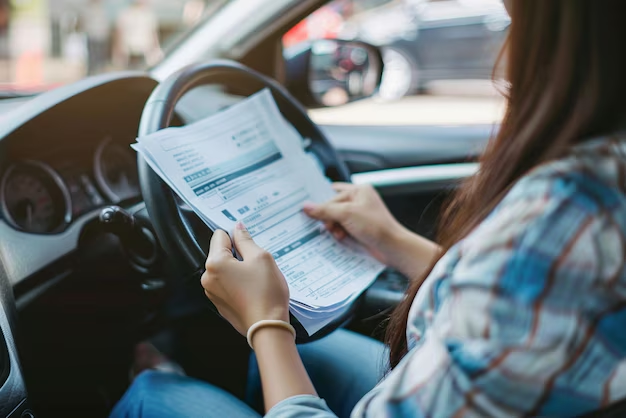
📅 Keep Documents Handy: Ensure you have your insurance documents easily accessible while driving.
💬 Communicate with Insurer: Keep an open line of communication with your insurance provider about your rideshare activities.
📝 Key Takeaways for Uber Drivers
Here's a quick summary of the essential points discussed:
- Always maintain valid personal auto insurance. It's a legal and Uber requirement.
- Understand Uber's insurance phases. Know when Uber’s insurance is active.
- Consider rideshare endorsements. They might be beneficial depending on your location.
- Stay organized. Keep insurance documents current and accessible.
- Stay informed and adaptable. Regulations and requirements can change.
By adhering to these steps and understanding the nuances of insurance coverage, you can drive for Uber with confidence and clarity. Your insurance is a pillar of safety—not just for you, but for your passengers as well. So, ensure you fulfill all legal and Uber-related insurance obligations to keep the roads a safer place for everyone.
Discover More
- a Affordable Car Insurance
- a Car Insurance Companies
- a Car Insurance Company
- a Cheap Car Insurance
- a Max Car Insurance
- Are Car Insurance Rates Going Up
- Are Electric Cars More Expensive To Insure
- Are Health Care Insurance Premiums Tax Deductible
- Are Hybrid Cars More Expensive To Insure
- Are Insurance Premiums Tax Deductible For Obama Care