Understanding Insurance Coverage for Property Damage from Car Accidents
When you're involved in a car accident, aside from the immediate concerns of safety and health, the mind quickly turns to the aftermath. One of the biggest issues you'll face is potential property damage. What insurance would cover property damage resulting from a car accident? This is a question that many drivers ask, and understanding the ins and outs of car insurance can empower you to navigate the consequences of an accident confidently.
🚗 The Basics of Car Insurance
Before diving into what specific types of insurance cover property damage, it's vital to grasp the basics of car insurance. Car insurance policies typically consist of several components that cater to different scenarios involving vehicle use and potential accidents. Here's a quick overview:
- Liability Coverage: Covers damage you're legally responsible for, including property damage and injuries to others.
- Collision Coverage: Helps you repair or replace your car after an accident.
- Comprehensive Coverage: Addresses non-collision-related damages like theft, vandalism, or natural disasters.
- Personal Injury Protection (PIP): Covers medical expenses and sometimes lost wages, regardless of fault.
- Uninsured/Underinsured Motorist Coverage: Protects you if you're hit by a driver without adequate insurance.
Understanding the basic components of car insurance can help you anticipate what aspects of your insurance may come into play after an accident.
💥 How Liability Insurance Covers Property Damage
Liability insurance is usually required by law and is a critical component of your car insurance policy. This type of insurance is designed to cover damages caused by you to another person's property in an accident. Here’s how it works:
- Property Damage Liability: This pays for damage to another person's property, such as their car or belongings within the car, if you are at fault in the accident. This does not cover your vehicle or property.
- Bodily Injury Liability: Although not directly related to property damages, it's crucial to understand that this component covers medical expenses of other parties involved.
It's essential to have an adequate amount of coverage because if the damage exceeds your policy limits, you may be personally responsible for paying the difference.
🔧 When Collision Coverage Comes Into Play
Collision coverage directly impacts your vehicle following an accident. This part of your insurance will cover the cost of repairs to your vehicle minus any deductibles, regardless of who was at fault in the accident.
Key Points About Collision Coverage:
- It offers coverage for damage to your car after hitting another car or object.
- Usually, this coverage is optional unless you're leasing or financing your vehicle.
- A deductible applies, which is the amount you pay out of pocket before your insurance covers the rest.
Having collision coverage is particularly beneficial if your car is newer or if you're unable to afford replacement or major repairs independently.
🌨️ Comprehensive Coverage: Beyond Collisions
While accidents are a primary concern, comprehensive coverage comes into play for non-collision related incidents, offering peace of mind for a variety of situations.
Comprehensive Coverage Includes:
- Theft and Vandalism: Protects against damages from theft or vandalism.
- Natural Disasters: Covers damages from events like hurricanes, floods, or earthquakes.
- Animal Encounters: If your car is damaged due to hitting an animal.
If you live in an area prone to severe weather or high crime rates, comprehensive coverage can be highly beneficial despite being optional in most cases.
🚘 Uninsured/Underinsured Motorist Protection
Even though having car insurance is required in most places, not all drivers comply. This is where uninsured or underinsured motorist coverage can be your safety net.
- Uninsured Motorist Coverage: Protects you if you're hit by a driver without insurance.
- Underinsured Motorist Coverage: Steps in when the other driver's policy limits are too low to cover your expenses.
This type of insurance can be invaluable, ensuring you have coverage even if the at-fault party is unable to compensate you for damages.
🛡️ Choosing the Right Coverage: Factors to Consider
Selecting the right insurance coverage is a highly individual decision based on several personal factors. Consider the following when tailoring your policy:
Factors Impacting Your Decision Include:
- Your Vehicle’s Value: More valuable or newer vehicles often warrant comprehensive and collision coverage.
- Driving Habits: Frequent driving increases the likelihood of accidents, suggesting more comprehensive coverage might be wise.
- Financial Situation: Consider how much you can afford to pay out-of-pocket for repairs or replacements.
- Local Laws and Regulations: Ensure you meet at least the legal requirements of your area while considering additional necessary coverage.
💡 Practical Tips for Managing Insurance After a Car Accident
Navigating the aftermath of an accident can be daunting, but understanding the steps to manage your insurance claim can ease the process.
📝 Practical Post-Accident Steps:
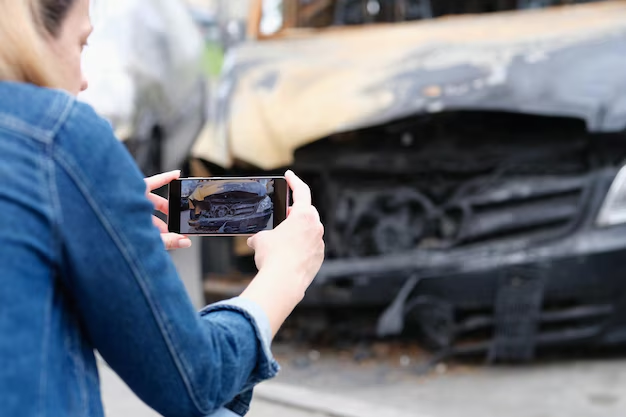
- Document the Scene: Take pictures and notes immediately following the accident for your insurance claim.
- Exchange Information: Collect all relevant information including insurance details from other involved parties.
- Report the Accident: Reach out to your insurance provider as soon as possible to start the claims process.
- Understand Your Policy: Know what your policy covers and what deductibles apply to your coverage.
By handling these steps diligently, you pave the way for a smoother claims process.
📊 Insurance Coverage Summary
Here's a quick summary to help you understand which insurance components apply in various scenarios:
| Insurance Type | Covers Property Damage | Covers Personal Costs |
|---|---|---|
| Liability Insurance | Yes, to others' property if you're at fault | No |
| Collision Coverage | Yes, to your car regardless of fault | No |
| Comprehensive Coverage | Yes, from non-collision events | No |
| Uninsured/Underinsured Coverage | Yes, if the other driver lacks sufficient coverage | Yes, for specific scenarios |
Key Takeaways:
- 🛡️ Comprehensive insurance protection combines multiple types of coverage to ensure broad protection.
- 🚗 Regularly review your insurance policy to ensure it meets your current needs.
- 📞 Quickly engage with your insurance provider post-accident to expedite claims processing.
Understanding these various insurance options can alleviate some of the stress associated with accidents. By being proactive and informed, you can ensure you have suitable protection tailored to your unique needs, preserving peace of mind even when the unexpected happens.
Discover More
- a Affordable Car Insurance
- a Car Insurance Companies
- a Car Insurance Company
- a Cheap Car Insurance
- a Max Car Insurance
- Are Car Insurance Rates Going Up
- Are Electric Cars More Expensive To Insure
- Are Health Care Insurance Premiums Tax Deductible
- Are Hybrid Cars More Expensive To Insure
- Are Insurance Premiums Tax Deductible For Obama Care