Navigating EBT: Can You Purchase Vitamins with Your Benefits?
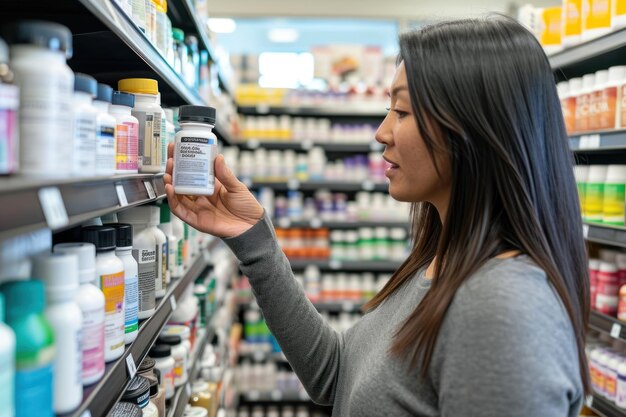
Diving into the world of nutritional supplements can be both fascinating and confusing. For those who rely on the Supplemental Nutrition Assistance Program (SNAP), commonly accessed through an Electronic Benefits Transfer (EBT) card, questions often arise about what can be purchased with these benefits. A particularly frequent query is, "Can you buy vitamins with EBT?" Let's explore this topic and unravel the complexities surrounding it.
🎯 Understanding What EBT Covers
Before we delve into the specifics of purchasing vitamins, it's essential to understand the primary purpose of EBT. SNAP is designed to help low-income individuals and families access food and thereby alleviate hunger and improve nutrition. Here’s a broad look at what SNAP typically covers:
- Basic Food Items: Including fruits, vegetables, meats, dairy products, and bread.
- Seeds and Plants: Those that produce food for the household to eat.
What EBT Doesn't Cover
While EBT aims to extend nutritional support, certain items fall outside its scope. These include:
- Ready-to-eat hot foods
- Non-food items like household supplies and hygiene products
- Vitamins and other dietary supplements
EBT benefits primarily target food purchases that align with nutritional goals rather than supplemental dietary needs.
📋 The Guidelines on Vitamin Purchases
Why Aren't Vitamins Covered?
The rationale behind the exclusion of vitamins from EBT eligibility lies in the distinction between food products and supplements. Vitamins are classified by the United States Department of Agriculture (USDA) as a supplement, and as such, don't fall under the category of essential foods covered by SNAP.
Exploring Alternatives
If purchasing vitamins is part of your health routine, consider these potential alternatives:
- Local Food Banks: Some local food banks may offer vitamins and supplements donated by individuals or organizations.
- Nutrition Assistance Programs: There are other community programs focused on broader health and nutritional needs that may assist with supplements.
🌿 The Importance of Nutritional Support
Although SNAP doesn't cover vitamins, it emphasizes holistic nutrition through whole foods. Here's what should be kept in mind:
- Prioritize Whole Foods: Fresh fruits, vegetables, and proteins are foundational to a balanced diet and can provide numerous essential vitamins and minerals naturally.
- Educate and Plan: Understanding which foods are vitamin-rich can help maximize the benefits of EBT.
Key Nutrients in Common Foods
- Vitamin C: Found in citrus fruits, bell peppers, and broccoli.
- Calcium and Vitamin D: Available in dairy products, leafy greens, and fortified juices.
- Iron: Found in red meats, beans, and fortified cereals.
📬 FAQs on EBT and Nutritional Support
Q: Are dietary-specific foods covered by EBT?
A: Foods that are part of specific diets (e.g., gluten-free) are covered if they are considered staple foods.
Q: Can herbal supplements or protein powders be bought with EBT?
A: No, like vitamins, these are typically classified under supplements and not eligible for purchase with EBT.
Changes on the Horizon?
While current regulations exclude vitamins, nutrition assistance guidelines evolve over time. Changes could be influenced by legislative action or shifts in public health perspectives that recognize broader aspects of nutrition.
🛠️ Practical Tips for Maximizing EBT and Maintaining Nutritional Health
1. Make a Meal Plan 🗓️
- Create a weekly meal chart using EBT-eligible foods to ensure balanced nutrition while sticking to a budget.
2. Shop Seasonal 🌽
- Buy seasonal produce, which is often fresher and cheaper.
3. Access Community Resources 🏢
- Utilize local food banks or community centers for additional nutritional support or guidance.
4. Leverage Educational Workshops 📚
- Many community centers offer workshops on nutrition that can provide insight into affordable ways to maintain a balanced diet.
🎨 Visual Summary
Here’s a quick guide to navigating EBT and maximizing nutritional benefits:
| Tip | Action | Emoji |
|---|---|---|
| Meal Planning | Create a budget-friendly, nutritious plan | 📅 |
| Buy Seasonal | Choose fresh, in-season produce | 🍎 |
| Access Local Supports | Check local food banks/community centers | 🏢 |
| Educate via Workshops | Attend free classes on nutrition | 📚 |
| Choose Whole Foods | Focus on foods naturally rich in vitamins | 🥦 |
Wrapping It Up
While EBT doesn’t cover the purchase of vitamins or supplements, the aim of providing nutritious, essential foods remains at the core of its mission. By focusing on a varied diet with naturally vitamin-packed foods, and tapping into local resources for additional support, individuals and families can work towards maintaining good health.
Remember, the nutritional landscape is ever-evolving, and staying informed on possible changes in EBT regulations is beneficial. Whether you’re navigating the program for the first time or seeking ways to optimize your benefits, a focus on whole foods, coupled with community resources, can pave the way to a healthier lifestyle.
Discover More
- Are There Any Meal Kits That Accept Ebt
- Can I Add Ebt To Apple Pay
- Can I Buy Dog Food With Ebt
- Can I Buy Protein Powder With Ebt
- Can I Buy Vitamins With Ebt
- Can I Get a Replacement Ebt Card The Same Day
- Can I Use Coupons With My Ebt At Walmart
- Can I Use Ebt At Costco
- Can I Use Ebt At Target
- Can I Use Ebt Cash On Amazon