Can Investing in Jewelry Really Pay Off?
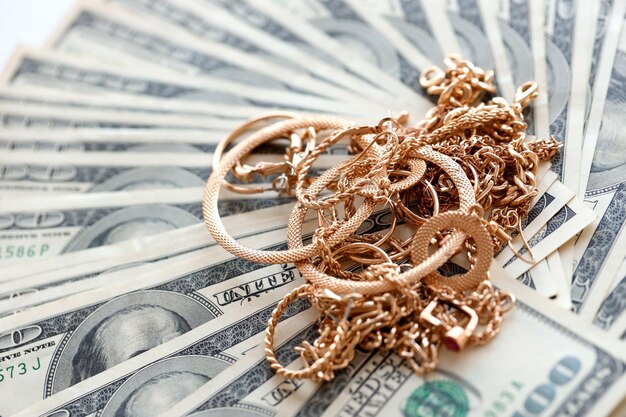
The glittering allure of jewelry has captivated people for centuries, adorned by royals and cherished by cultures worldwide. But beyond its aesthetic appeal and emotional significance, one question persists: Is jewelry a good investment? Does it hold the potential to not only beautify your appearance but also enrich your financial portfolio? In the world of investment, jewelry offers a unique proposition—tangible, timeless, and often sentimental. However, like any investment, it comes with its own set of considerations and challenges. Let's delve into the multi-faceted world of jewelry investment to uncover its true potential.
Understanding Jewelry as an Investment
Jewelry, unlike stocks or bonds, is a tangible asset. It doesn't rely on market abstractions or interest rate fluctuations to secure its value. But this doesn't mean it's a straightforward investment. The value of jewelry stems from several factors:
Intrinsic Material Value
Jewelry often incorporates precious metals like gold, silver, and platinum, alongside gemstones such as diamonds, emeralds, and sapphires. The worth of these materials can fluctuate based on market demand, but a historic trend shows precious metals generally appreciate over the long term. Gold, for example, is renowned as a safeguard against inflation and currency debasement, often retaining or increasing in value during times of economic uncertainty.
Craftsmanship and Brand
High-quality craftsmanship or association with a prestigious brand can significantly enhance a piece's value. Some brands are synonymous with luxury and exclusivity, and their products can become highly sought after. The brand’s influence on value is akin to art, where a piece’s provenance can add a premium above material worth.
Vintage and Historical Significance
Jewelry from an era or with historical provenance can be exceedingly valuable. Pieces worn by celebrities or figures of historical importance often come with a narrative that elevates their value beyond materials or craftsmanship. Such jewelry often becomes rare collector’s items, fetching high prices at auctions.
Sentimental and Aesthetic Value
Unlike most investments, jewelry holds personal significance often linked to memorable life events. This adds an intangible yet potent dimension to its value. While this sentiment may not directly translate to financial gain, it can affect the willingness of an owner to sell, hence influencing market availability and demand.
Key Considerations When Investing in Jewelry
Investing in jewelry requires careful consideration. Here are some critical aspects to evaluate:
Market Research
Understanding the market for jewelry requires research into trends, consumer preferences, and demand dynamics. The luxury market can be volatile and influenced by fashion trends and economic conditions.
Authenticity and Appraisal
Verification of authenticity and quality is crucial. Prior to investing, ensure the piece is appraised by a credible professional to confirm its worth. Appraisals provide a detailed breakdown of the piece's value based on its materials, craftsmanship, and market conditions.
Liquidity and Demand
Unlike stocks which can be sold swiftly, jewelry can pose liquidity challenges. Selling a piece may require finding niche buyers or auctioning. The demand is niche and largely predicated on market trends, rarity, and historical significance of the piece.
Storage and Insurance
Securing your investment against theft or damage is paramount. Jewelry storage should be in a safe, secure environment. Insurance policies tailored to cover precious assets can be prudent, safeguarding your investment against unforeseen events.
Diversification Strategies
Like any asset, jewelry should not constitute the entirety of an investment portfolio but can be a unique component within a diversified strategy. Here’s how you might integrate jewelry into broader investment plans:
Balancing Risk
Jewelry should be esteemed as a complement to other assets like equities, bonds, and real estate. Its value retention in volatile markets offers a stabilizing influence, particularly for those seeking to hedge against inflation.
Targeting Rare and Unique Pieces
Invest in rare gemstones, vintage pieces, or high-demand brands. Focus on uniqueness and rarity that contribute to long-term value appreciation. Be wary of trends that promise quick returns but lack historical or collectible credentials.
Leveraging Auctions
If your piece holds significant historical or collector value, auctions can be lucrative. Partner with reputable auction houses that can attract affluent buyers willing to pay a premium for extraordinary craftsmanship or provenance.
Historical Trajectory and Future Trends
Examining past performances and future trajectories of jewelry as an investment can offer valuable insights:
Resilience During Economic Downturns
Jewelry, especially gold and diamond pieces, has been known to retain or grow in value even during economic uncertainty. Its tangibility provides a hedge against inflation living in portfolios during periods of currency instability.
The Rise of Ethical and Sustainable Jewelry
The modern market is witnessing a shift towards sustainable and ethically sourced jewelry. Companies prioritizing eco-friendly practices and fair-trade sourcing are becoming increasingly popular. This trend may augment the appeal and value of such pieces in future markets.
Digital and Blockchain Integration
Provenance and authenticity verifications are witnessing transformation through digital technology and blockchain. This offers enhanced assurances of authenticity, potentially increasing consumer trust and investment value.
Is Jewelry Right for My Investment Portfolio?
Investors keen on alternative investments might view jewelry as an attractive asset class. But is it the right fit for your portfolio?
Weighing Sentimental Versus Financial Interests
Combining personal significance with investment holds both emotional and financial motives. Consider your primary objective–financial gain, sentimental value, or a balance of both.
Assessing Financial Goals
Align any potential jewelry investment with your overall financial objectives. Evaluate if the expected return horizon aligns with the duration you are willing to commit the capital.
Determining Commitment Level
Investing in jewelry requires commitment—not only financial but also in research, maintenance, and storage. Assess your readiness to engage with these elements consistently.
The Takeaway: A Prudent Yet Glamorous Addition
Ultimately, jewelry can indeed be a valuable addition to an investment portfolio for those informed and patient. It promises a dual yield of potential financial appreciation and personal enjoyment. Understanding its market dynamics, value determinants, and future trajectories is crucial for informed decision-making.
Key Takeaways:
- 📈 Intrinsic Value: Precious metals and gemstones often appreciate over the long term.
- 🔍 Due Diligence: Obtain credible appraisals and ensure authenticity for all pieces.
- 🔒 Security Measures: Secure storage and tailored insurance protect your investment.
- 🌍 Ethical Appeal: Environmentally responsible practices are gaining traction; they could be future value boosters.
- 🖥️ Tech Advancement: Technologies like blockchain enhance transparency and consumer confidence.
By wearing your investments, you indulge in a lifestyle asset while nurturing potential financial gains—making this a distinctive and appealing proposition for those who value both beauty and financial strategy.
Discover More
- a Couple Won The Powerball. Investing It Turned Into Tragedy.
- a Few Consideration When Investing For Preferred Stock Equity
- a I Etf
- a Positive Return On Investment For Education Happens When
- a Positive Return On Investment For Higher Education _____.
- Are Annuities a Good Investment
- Are Annuities Good Investment
- Are Annuities Good Investments
- Are Automatic Investments a Money Skill
- Are Bonds a Good Investment