A Comprehensive Guide to Paying IRS Taxes: What You Need to Know
Handling taxes can seem like a daunting task, but understanding the process can make it a bit more manageable. The Internal Revenue Service (IRS) sets out straightforward guidelines for payment methods, timings, and solutions when your tax bill feels overwhelming. This guide will walk you through everything you need to know about paying your IRS taxes, encompassing the key details and subtopics to help you navigate this essential financial obligation with confidence and clarity.
Understanding Your Tax Obligation
What Are IRS Taxes?
IRS taxes refer to the federal taxes collected by the Internal Revenue Service, which is a branch of the U.S. Department of the Treasury. These taxes are levied on income, payroll, and a few other categories, supporting public services like infrastructure, education, and defense. Understanding your tax obligation involves knowing how much you owe, when it’s due, and the various ways you can pay.
Determining What You Owe
Tax Returns and How They Work
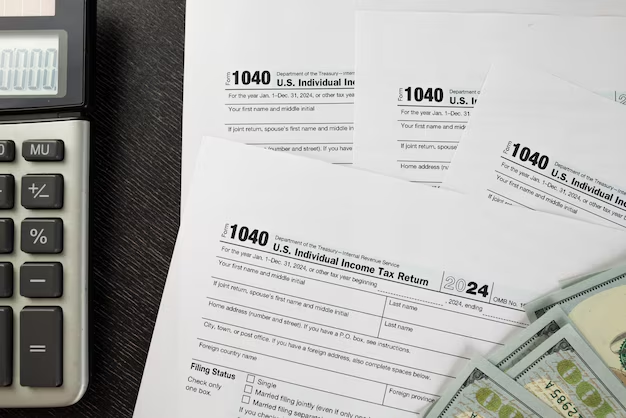
Filing a tax return is the most common way to determine how much you owe the IRS. It involves collecting financial documents, calculating total income, applying deductions or credits, and submitting these details to the IRS for review.
Tools and Resources
There are several tools available online, such as tax calculators, that can help you estimate your tax liability before you even file your return.
Paying IRS Taxes: Your Options
Online Payment Options
The IRS offers several convenient online payment solutions:
Direct Pay
This method allows you to pay directly from your bank account. Direct Pay is a fast, secure, and free method with real-time payment confirmation.
Debit or Credit Card Payment
Though this method might incur additional fees, paying via debit or credit card can be advantageous if you want to earn rewards or prefer the convenience of card payments.
Payment Plans
For those who find it challenging to pay the full amount, the IRS provides payment plan options:
Short-Term Payment Plan
Available for smaller amounts, this plan allows you to pay what you owe in a short window, typically 120 days or less.
Long-Term Installment Plan
If you owe more and need more time, a long-term installment agreement lets you pay over several months. This plan requires a setup fee but offers a practical solution for larger tax bills.
Other Payment Methods
Cash and Check Payments
You can still pay using traditional methods like sending a check via mail or paying with cash at a participating retail partner. It’s crucial to follow IRS guidelines for these methods to ensure proper crediting to your account.
Dealing with Financial Hardship
What If You Can’t Pay Right Away?
Offer in Compromise
This option is for taxpayers who cannot pay their tax debt entirely or can only pay a reduced amount. Qualifying for an Offer in Compromise requires you to meet strict criteria regarding income, expenses, and asset equity.
Requesting a Delay
You can also request a temporary delay in the collection process if you prove financial hardship. This isn’t a waiver of your taxes owed but can provide temporary relief.
Penalties and Interest
If your taxes remain unpaid by the deadline, the IRS will add penalties and interest to your account. Being aware of these additional costs can motivate timely payment plans and prevent accrued financial strain.
Key Takeaways & Tips for IRS Payments
Readers benefit from instant insights with these highlighted points—enhanced with emojis for ease:
- 💻 Utilize Online Tools: Take advantage of direct payment options and online calculators for efficient tax management.
- 📆 Mark Your Calendar: Avoid penalties by keeping track of essential tax deadlines.
- 💳 Payment Plan Strategy: Consider installment agreements if paying in full isn’t feasible—keep an eye on fees and terms.
- 📜 Stay Informed: Regularly update your knowledge of IRS policies and procedures as they can change annually.
- 🛡️ Secure Your Information: Always ensure the information you provide in your taxes and payments is accurate and secure to avoid fraud.
Filing Timelines and Deadlines
When Are Taxes Due?
Annual Deadline
Tax returns are generally due by April 15 each year. If that date falls on a weekend or holiday, returns are due the next business day.
Extensions
Taxpayers can request a six-month filing extension using Form 4868. While this extends your filing deadline, it doesn’t extend the time you have to pay, so estimated payments may still be necessary.
Tips to Simplify Your Tax Experience
Organization and Record-Keeping
Gathering all necessary documentation throughout the year can simplify filing. Keep track of receipts, W-2s, 1099s, and other relevant documents in an organized manner to avoid last-minute stress.
Automated Solutions
Consider choosing software or apps that offer automated calculations and filing support to prevent errors and save time.
Seek Professional Help
For complex situations, consulting with a tax professional can provide clarity and personalized strategies, ensuring you’re maximizing deductions and credits.
Staying Informed and Proactive
Being proactive about your taxes involves more than just annual filing; it includes understanding tax legislation changes and how they impact you. By staying informed and proactive, you can better navigate not just paying your IRS taxes, but also planning your financial future.
In conclusion, while the process of paying IRS taxes might seem laborious, being organized, informed, and proactive can significantly simplify it. By exploring payment options, understanding the ramifications of unpaid taxes, and utilizing all available resources, you’ll be better equipped to manage your tax responsibilities effectively and avoid potential pitfalls.
Discover More
- Are Irs Economic
- Are Irs Economic Impact Payments Still Available
- Are We Getting Ctc Payments In 2024 Irs
- Can Form 8822 Be Faxed To Irs
- Can I Brown Act Irs
- Can I Call The Irs
- Can I Edit Any Irs Payment After I Did It
- Can I Go To Irs For Support
- Can I Have The Irs Apply My Overpayment If Divorced
- Can I Make Payments To The Irs