Writing a Check to the IRS: A Comprehensive Guide to Ensure Peace of Mind
Making payments to the Internal Revenue Service (IRS) can seem daunting, especially if you prefer using traditional methods. However, writing a check to the IRS is straightforward once you understand the essential steps and guidelines. This guide covers everything you need to know about ensuring your payment reaches the IRS securely and in a timely manner. We’ll explore related topics that can provide depth to your understanding and make the process less intimidating.
Understanding IRS Payment Requirements
Paying taxes is a reality for most Americans and ensuring that your payment is accurate and timely is crucial to avoid penalties and interest charges. While electronic payments have gained popularity, some prefer the old-fashioned approach of writing a check. Here’s why:
- Control Over Payments: Writing a check lets you control exactly when the IRS will receive the payment.
- Evidential Security: A canceled check provides undeniable proof of your payment.
- Avoidance of Electronic Errors: Some prefer a paper trail over potential digital mishaps.
It's important to follow IRS guidelines precisely to ensure that your check is processed correctly. Missteps can lead to payment delays or misapplication to the wrong account.
Key Steps to Writing a Check to the IRS
Writing a check to the IRS involves several straightforward yet crucial steps. Follow these pointers to ensure your payment goes smoothly:
Use a Personal Check or Money Order: The IRS accepts personal checks, cashier’s checks, and money orders. Make sure to write on standard check stock.
Payable to “United States Treasury”: Write this in the payee line, not "IRS."
Ensure Accuracy of Amounts: Write the payment amount clearly in both numbers and words. This minimizes any possible confusion in processing your payment.
Include Your Information:
- Your name
- Address
- Daytime phone number
Add Your Tax Details:
- Form type (e.g., 1040)
- Tax year
- Your Social Security number or your business’s Employer Identification Number (EIN)
Sign the Check: Omitting your signature will render the check invalid.
Attach Payment Voucher: If applicable, include any payment voucher related to your tax form. This helps the IRS apply the payment to the correct year and form.
Use the IRS-Provided Envelope: If available, use any envelope provided by the IRS with their address already printed. If not, double-check the correct address for your location or the type of payment.
Example Check Format
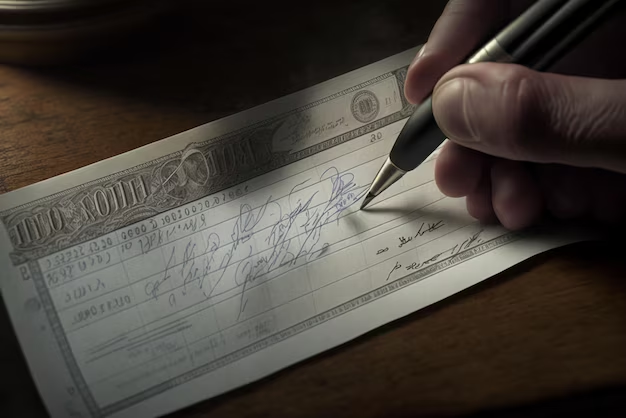
Ensure clarity and avoid the omission of essential information by adhering to the layout demonstrated below:
Where to Send Your Payment
The mailing address for your check to the IRS depends on your form and state. The IRS website provides a detailed list of payment addresses for various forms and regions. Ensure you're sending your check to the correct location to avoid delays.
- Consider Using Certified Mail: To track your check and have proof of delivery, consider sending it via certified mail with a return receipt.
Addressing Common Errors
Mistakes while writing a check can lead to errors in processing your payment or worse, penalties. Here are some common mistakes to avoid:
- Misspelled Payee Name: Always ensure you write “United States Treasury.”
- Incorrect Tax Form or Year: Double-check the tax form and year to ensure the payment is credited correctly.
- Incomplete Memo Line: Including all necessary information such as SSN, EIN, form number, and tax year is crucial.
- Unclear Amounts: Ensure figures are clear and match in both numeric and written lines.
If you realize you've made an error after mailing your check, promptly contact the IRS for assistance to rectify the issue before it results in additional fees or penalties.
Alternatives to Writing Checks
For those who may wish to explore other payment methods, several alternatives can be more convenient or secure:
- Electronic Funds Withdrawal (EFW)
- Direct Pay
- Credit/Debit Card Payments
- IRS2Go Mobile App
Each method has its pros and cons based on factors like transaction fees, accessibility, and ease of use.
Tracking Your Payment
Once you've sent your check, it’s vital to keep track of your payment to ensure it’s processed:
- Retain a Copy: Make a photocopy or scan of your check before mailing.
- Check Your Bank: Monitor your account for the check's clearance, which serves as confirmation of receipt.
- Utilize IRS Tools: Though more applicable to electronic payments, contact the IRS for any discrepancies if your check isn’t processed in a timely manner.
Summary of Tips: 📋
- Ensure Correct Payee: Always write “United States Treasury.”
- Include Detailed Memo: Form number, tax year, and SSN/EIN are crucial.
- Use Correct Address: Verify the right IRS address for your form/type.
- Consider Mailing Options: Certified or tracked mailing options can provide peace of mind.
- Monitor Bank: Check for when the payment clears to confirm receipt.
When to Expect Confirmation
Once your check is received and processed, the IRS will typically send a notice of payment receipt. Bear in mind, the timeline can vary based on mailing and processing times, especially during tax season when volumes are high.
To keep the process as smooth as possible, always align your payment with the IRS guidelines and take advantage of technology where suitable to keep yourself informed.
In conclusion, paying the IRS by check remains a viable and effective way to manage tax liabilities. With careful attention to detail, ensuring your payments are processed swiftly and without error is simple. Empower yourself with knowledge of the procedure and certain alternatives, to choose the best way to satisfy your fiscal responsibilities securely.
Discover More
- Are Irs Economic
- Are Irs Economic Impact Payments Still Available
- Are We Getting Ctc Payments In 2024 Irs
- Can Form 8822 Be Faxed To Irs
- Can I Brown Act Irs
- Can I Call The Irs
- Can I Edit Any Irs Payment After I Did It
- Can I Go To Irs For Support
- Can I Have The Irs Apply My Overpayment If Divorced
- Can I Make Payments To The Irs