When Does the IRS Start Accepting Tax Returns?
Every year, taxpayers eagerly await the official date when they can start submitting their tax returns to the Internal Revenue Service (IRS). Understanding this timeline is crucial not only for individuals but also for businesses that need to comply with federal tax obligations. In this detailed guide, we will explore when the IRS typically begins accepting tax returns, what factors influence these timing decisions, and how you can prepare effectively to ensure a smooth filing process.
Let's get started with understanding the basics of tax return filing.
📅 The Typical Timeline for IRS Return Acceptance
Early Year Readiness
The IRS usually starts accepting electronic tax returns in late January. While this can vary slightly each year, many taxpayers prefer to file as early as possible to expedite their refunds. Here are general factors that can influence the exact date:
- Legislation Updates: Changes in tax laws can delay the start of tax season as the IRS updates its systems.
- Holiday Schedules: Calendar differences and holidays may shift IRS operational schedules.
- Technical Preparations: The IRS frequently performs technological updates to accommodate new forms or regulation changes.
Important Dates to Keep in Mind
While dates can fluctuate, it's beneficial to look out for key periods that recur every tax season. Here’s a simple breakdown:
- Mid-January: Start preparing your tax documents.
- Late January: IRS officially begins accepting electronic returns.
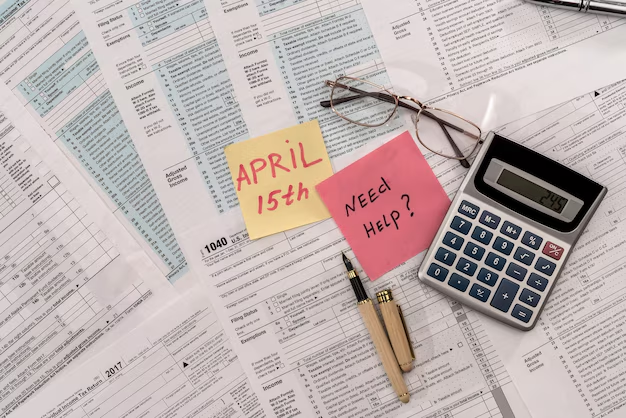
- April 15 (or the next business day if it falls on a weekend/holiday): Tax Day, the deadline for filing personal tax returns.
🔍 Factors Influencing When the IRS Accepts Returns
Legislative Changes
Significant changes to tax legislation often necessitate system updates or new policy implementations. For example, when major tax reforms occur, adapting IRS systems to these changes can take additional time. This process ensures that taxpayer submissions are processed correctly under the current laws.
Operational Efficiency
Operational shifts within the IRS, including technology upgrades and staff reallocations, also affect when tax returns can begin to be processed. Adopting new technologies or enhancing existing ones might lead to slight delays but can also result in more efficient processing overall.
External Events
Occasional external factors, such as government shutdowns or pandemics, can impact the IRS’s ability to process returns timely. These situations may require taxpayers to stay informed through reliable sources for updates on filing timelines.
🛠 How to Prepare for Filing Your Tax Return
Gathering Necessary Documents
Before you can file, equip yourself with all required documentation. This not only speeds up the filing process but also minimizes errors. Here are the essentials:
- W-2s and 1099s: These forms summarize income from employers and other sources.
- Receipts for Deductions: Keep records of charitable contributions, business expenses, etc.
- Form 1095-A: For those with health insurance marketplace coverage.
Choosing Your Filing Method
Decide how you'll submit your tax return—electronically or via paper. E-filing is generally faster, more secure, and enters IRS systems instantaneously. Most tax software guides taxpayers through the process, making e-file a popular choice.
Understanding Your Deductions and Credits
Maximize your refund by correctly claiming eligible tax deductions and credits:
- Standard vs. Itemized Deductions: Choose the method that benefits you the most financially.
- Tax Credits: Investigate credits like the Earned Income Tax Credit (EITC) or Child Tax Credit.
📝 Checklist: Preparing for Filing Season
Below is a handy checklist to ensure you're ready when the IRS starts accepting returns:
- 🗂 Organize Documents: Gather all income statements, receipts, and bank information.
- 🔍 Verify Information: Double-check that all personal details (e.g., Social Security numbers) are accurate.
- 💻 Select Software or Tax Professional: Decide whether to handle your taxes yourself or through a preparer.
- 📅 Set a Filing Reminder: Mark a calendar notification to avoid last-minute rushing.
🔁 What Happens After You File?
Once you’ve submitted your tax return, there are a few stages and expectations to be aware of:
Return Processing
Immediately after submission, your return undergoes initial processing where the IRS checks for obvious errors and missing information. Electronic returns often process faster than paper ones, reducing wait times for any tax refunds you may be entitled to.
Receiving Your Refund
If you're expecting a refund, early filers typically receive theirs within a few weeks. You can track the status of your refund using the IRS's "Where's My Refund?" tool. Note, however, that certain credits and deductions may result in a delayed refund.
Addressing Errors
Occasionally, discrepancies or mistakes are identified post-submission. It might necessitate an amendment through Form 1040X. Common errors include math mistakes, incomplete fields, or incorrect Social Security numbers.
📊 Summary Table: Key Points to Remember
| Topic | Details |
|---|---|
| IRS Acceptance Start Date | Usually late January; depends on legislative and environmental factors. |
| Essential Documents | W-2s, 1099s, deduction receipts, etc. |
| Filing Methods | Electronic (e-file) or paper; e-file is faster. |
| Key Considerations | Verify accuracy, choose best deductions, familiarize with recent tax changes. |
| Post-Filing | Track refund with IRS tools, rectify errors if necessary with an amended return. |
🌟 Key Takeaways:
- Early Preparation is Key: Stay ahead by organizing documents and understanding deductions before the IRS begins accepting returns.
- Flexibility to Adapt: Be prepared for potential shifts in timelines due to legislative or operational changes.
- Technical Savvy Helps: Leveraging electronic filing ensures faster processing and easy tracking.
Navigating tax season requires timely preparation and staying informed about potential modifications to the IRS schedule. By immersing yourself in current guidelines and being proactive about filing strategies, you can ease the annual stress of tax deadlines. Happy filing! 🗃️
Discover More
- Are Irs Economic
- Are Irs Economic Impact Payments Still Available
- Are We Getting Ctc Payments In 2024 Irs
- Can Form 8822 Be Faxed To Irs
- Can I Brown Act Irs
- Can I Call The Irs
- Can I Edit Any Irs Payment After I Did It
- Can I Go To Irs For Support
- Can I Have The Irs Apply My Overpayment If Divorced
- Can I Make Payments To The Irs