Demystifying Life Insurance Blood Tests: What You Need to Know
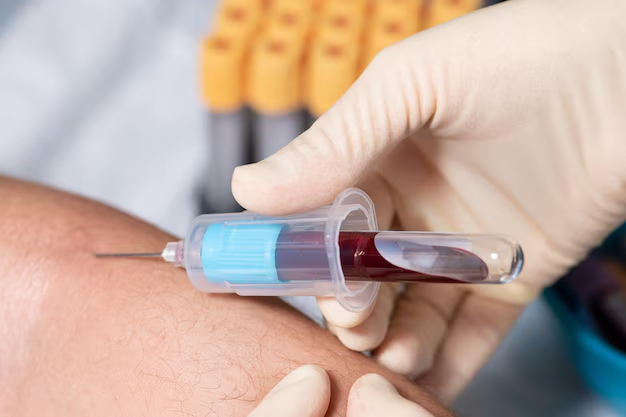
When you apply for life insurance, the provider often requires a medical exam, including a blood test. If you've ever wondered what these blood tests look for and why they matter, you're not alone. Understanding the ins and outs of life insurance blood tests can empower you to better navigate the process and make informed decisions.
🔍 The Purpose of Life Insurance Blood Tests
Life insurance blood tests are a critical part of the underwriting process. These tests provide insurers with essential health information, allowing them to assess your risk profile accurately. The information gleamed helps determine your premium rates and overall insurability. Here's a closer look at what these tests aim to uncover:
Key Health Indicators
Lipid Panel (Cholesterol Levels)
- Measures total cholesterol, HDL ("good" cholesterol), and LDL ("bad" cholesterol).
- High cholesterol levels can indicate potential heart disease risk, affecting premium rates.
Blood Sugar Levels
- Evaluates glucose levels, helping identify diabetes or pre-diabetes conditions.
- Elevated blood sugar levels can indicate higher health risks, impacting insurance assessments.
Proteins and Enzymes
- Tests like the liver function test measure enzymes such as ALT and AST, indicating liver health.
- Abnormal levels might suggest liver damage or disease.
🧪 Common Substances and Conditions Tested For
Insurance companies look for several key markers and conditions in blood tests. These serve to provide a comprehensive view of your current health status:
Key Target Areas
Drug Use and Substance Abuse
- Screens for illicit drugs, nicotine, and alcohol usage.
- Regular usage can lead to higher premiums or denial of coverage.
HIV/AIDS and STDs
- Tests for the presence of HIV and certain sexually transmitted diseases.
- Positive results may influence eligibility and pricing.
Kidney Function
- Evaluates markers indicating kidney health such as creatinine levels.
- Poor kidney function may lead to reevaluation of risk assessments.
Heart and Circulatory Health
- Measures factors like C-reactive protein to assess inflammation and potential heart disease.
- Heart health indicators play a significant role in determining premiums.
Why These Indicators Matter
Life insurance is inherently about risk management. Insurers use blood tests to gauge not only possible existing conditions but also the potential for future health concerns. An understanding of these tests helps applicants anticipate questions and prepare appropriately.
🦠 Preparing for a Life Insurance Blood Test
Preparation is key to ensuring that your test results accurately reflect your health. Here are some tips to help optimize your blood test results:
Preparation Tips
Fast Before the Test
- Fasting 8-12 hours before the test may be required to ensure accurate readings, especially for glucose and lipid panels.
Avoid Caffeine and Nicotine
- Consider abstaining from these stimulants as they may affect certain blood parameters.
Hydrate
- Drinking plenty of water can make it easier to draw blood and may help flush out toxins.
Inform of Medications
- Inform the examiner about any medications or supplements, as some can influence the results.
🤔 Understanding Test Outcomes: What Comes Next?
Once you've completed your blood test, the results will be analyzed by the life insurance company. It's crucial to understand what these outcomes mean and how they affect your application:
Interpretation Strategies
Normal Results
- Typically lead to favorable premiums and straightforward acceptance.
Abnormal Results
- May require additional testing or information.
- Can result in adjustments to your policy terms, such as increased premiums or issuance with exclusions.
High-risk Indicators
- Potentially lead to denial of coverage, but options for reapplication or seeking a policy with another provider are available.
📋 Quick Summary: What Life Insurance Blood Tests Reveal
Here's a concise overview of the key points regarding life insurance blood tests:
- Cholesterol and Lipid Levels ��
- Key indicators of heart health.
- Glucose Levels 🍬
- Screens for diabetes risk.
- Substance Use 🚭
- Detects drugs, nicotine, and alcohol.
- Disease Markers 🦠
- Tests for HIV and STDs.
- Organ Function ⚙️
- Evaluates liver and kidney health.
Making Informed Choices
Your health profile plays a significant role in determining your life insurance policy terms. By understanding what life insurance blood tests look for, you can better prepare for the process and make informed decisions about your coverage needs. Explore your options, and remember, good preparation is key to ensuring your health data reflects the best version of your well-being.
Related Topics
- a a r p Life Insurance
- a Business Has a Key Person Life Insurance
- a Life Insurance Arrangement Which Circumvents Insurable Interest
- a Life Insurance Policyowner Does Not Have The Right To
- a Life Insurance Policy That Contains a Guaranteed Interest Rate
- a Life Insurance Policy That Has Premiums Fully Paid Up
- a Life Insurance Rider That Allows An Individual To
- Am Fam Life Insurance
- Am Income Life Insurance
- Am Income Life Insurance Phone Number