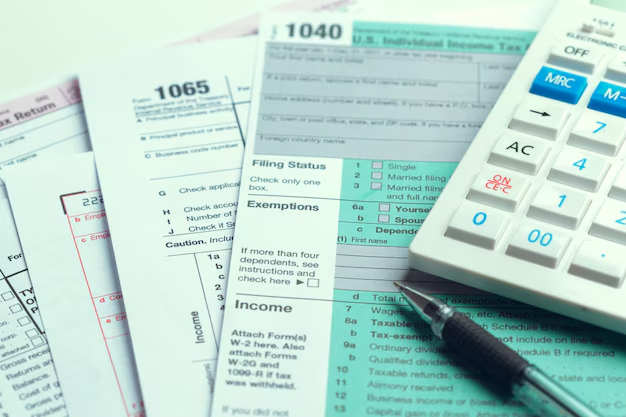
Navigating the World of Sales Tax in Wisconsin: What You Need to Know
Understanding sales tax is important for both consumers and business owners. In Wisconsin, the concept of sales tax affects daily transactions, and knowing how it works can make a difference in your financial planning. Whether you're shopping in Milwaukee or selling goods in Green Bay, this comprehensive guide will help you navigate the ins and outs of Wisconsin’s sales tax landscape.
What Is Sales Tax?
Sales tax is a consumption tax imposed on the sale of goods and services. In the United States, sales tax is typically managed at the state level, which means the rules and rates can vary significantly from one state to another. In Wisconsin, both state and local entities have the authority to levy sales taxes.
How Sales Tax Works in Wisconsin
In Wisconsin, sales tax is applied to the final purchase price of many goods and services. The responsibility for collecting and remitting this tax to the state lies with the retailer. As of now, the state sales tax rate in Wisconsin is 5%. Certain counties may impose an additional local sales tax, which can increase the total sales tax rate in specific areas.
Example of Sales Tax Calculation
Let's say you purchase a laptop for $1,000 in a county with no additional local sales tax. Your total sales tax would be:
- State sales tax: $1,000 x 5% = $50
Your total price would be $1,050. If there was an additional 0.5% county tax, the total sales tax would be 5.5%, making your final cost $1,055.
Overview of Wisconsin's Sales Tax Structure
State vs. Local Sales Tax
In Wisconsin, the base sales tax rate applied across the state is 5%. However, counties have the discretion to implement a local sales tax, typically at a rate of 0.5%, which effectively raises the total sales tax rate in those areas to 5.5%. It's crucial to understand that not all counties in Wisconsin levy this additional tax.
Sales Tax Categories
Sales tax in Wisconsin is charged on a variety of goods and services. However, there are distinct categories where sales tax is either exempt or differently applied:
- Tangible Personal Property: Most physical items are taxable.
- Digital Goods and Services: Many digital downloads and online services fall under taxable categories.
- Exemptions: Certain items like groceries, prescription medications, and some agricultural products might be exempt from sales tax.
Exploring Sales Tax Exemptions in Wisconsin
Common Exemptions
Understanding what is and isn't taxed can lead to significant savings. Here are a few items commonly exempt from sales tax in Wisconsin:
- Groceries: Most food items meant for home consumption are exempt.
- Prescription Medications: Medically necessary drugs typically don't incur sales tax.
- Medical Devices: Some essential medical equipment may be exempt.
Special Circumstances
There are specific instances and sales types where exemptions may apply:
- Resale Exemption: Retailers purchasing items for resale don't pay sales tax at the point of purchase.
- Nonprofit Organizations: Some nonprofit entities may qualify for exemptions on specific purchases.
Who Needs to Collect Sales Tax?
Businesses in Wisconsin
All retailers, including small businesses and online sellers, are required to collect sales tax if they have a physical presence or "nexus" in the state. This can include having a storefront, a warehouse, or even conducting significant business through remote sales into Wisconsin.
Definition of Nexus
"Nexus" is generally established when a business has a significant physical or economic presence in a state. In Wisconsin, even remote sellers surpassing a specific threshold in sales might be required to collect sales tax.
Registering and Filing for Sales Tax
Businesses must register for a sales tax permit with the Wisconsin Department of Revenue before they begin collecting sales tax. Once registered, businesses are required to file sales tax returns periodically, reporting the tax collected during the filing period.
Challenges and Compliance
Common Sales Tax Pitfalls
Sales tax compliance can be complex, and businesses often face challenges such as:
- Understanding Local Rates: Businesses operating in multiple locations need to be aware of varying local tax rates.
- Keeping Up with Changes: Tax laws and rates can change, requiring ongoing attention and adaptation.
- Exemptions Misunderstanding: Misapplying exemptions can lead to underpayment of taxes and subsequent penalties.
Tips for Compliance
- Stay Informed: Regularly review updates from Wisconsin's Department of Revenue to ensure compliance.
- Accurate Record-Keeping: Maintain detailed records of sales, exemptions, and filed tax returns.
- Consult Professionals: Tax professionals or consultants can provide essential guidance and assistance.
Key Takeaways for Consumers and Businesses
For Consumers
- 💡 Check Local Rates: Remember that county-level taxes can affect your overall purchase cost.
- 🛒 Be Aware of Exemptions: Knowing which items are exempt from sales tax can help you save money.
For Businesses
- 📈 Understand Nexus: Make sure you know if your business activities in Wisconsin require you to collect sales tax.
- 📋 Register Correctly: Ensure proper registration for sales tax to avoid penalties.
- 🔍 Stay Updated on Tax Laws: Regularly check for changes in tax rates and regulations.
Here’s a quick table summarizing essential points:
| Aspect | Key Information |
|---|---|
| State Sales Tax Rate | 5% |
| Local Sales Tax | Up to an additional 0.5% depending on the county |
| Common Exemptions | Groceries, prescription medications, some medical devices |
| Nexus Requirement | Physical or significant economic presence required for sales tax collection |
| Registration | Required for businesses collecting sales tax |
| Compliance Tip | Keep accurate records and stay informed on legislative changes |
Navigating Wisconsin's sales tax system can be straightforward with the right information. Whether you're a consumer trying to make informed purchasing decisions or a business aiming to comply with tax laws, understanding the elements of sales tax in Wisconsin empowers you to make better choices. With a solid grasp of the basics, you'll approach sales transactions with confidence and clarity.