Navigating Your Tax Return: What to Expect and How to Read It
Filing a tax return may not be everyone’s favorite task, but understanding what it involves is a crucial step in managing your personal finances. For many, the term "tax return" can be synonymous with stress and confusion, but it doesn't have to be. By breaking down the components of a tax return, we'll make this annual ritual less daunting and more manageable for you. Whether you’re a first-time filer or a seasoned taxpayer, here’s a comprehensive guide to understanding what a tax return really looks like.
The Anatomy of a Tax Return
Understanding the Basics
At its core, a tax return is a set of documents filed with the IRS or the relevant tax authority within your country, intended to report income, expenses, and other tax-related information. The goal is to calculate your tax liability, get a refund, or determine how much you owe. Here’s a closer look at what you typically encounter:
- Personal Information: Each tax return begins with personal details such as your name, social security number, and filing status. This section is crucial because any errors here can lead to processing delays.
- Income Section: This is where you detail all sources of income, including wages, dividends, and side hustles. The W-2 form from your employer plays a significant role here.
- Deductions and Credits: Deductions reduce your taxable income, while credits directly reduce the amount of tax owed. Common deductions include mortgage interest and student loan interest.
Various Forms Associated with a Tax Return
Tax returns aren't just about the main form. They often include various supplementary forms or schedules depending on your financial situation:
- Form W-2: Reflects income earned and taxes withheld from your paycheck.
- Schedule A: Used to itemize deductions for things like medical expenses and donations.
- Schedule C: Utilized for self-employment income.
Filing Status and Its Impact
Your filing status determines your tax bracket and affects the deductions and credits you qualify for. Common statuses include:
- Single: Generally, for unmarried individuals.
- Married Filing Jointly: Couples can file a single return together.
- Head of Household: Specific guidelines apply here, potentially leading to lower taxes for qualifying individuals.
How to Read a Tax Return
Key Areas to Focus On
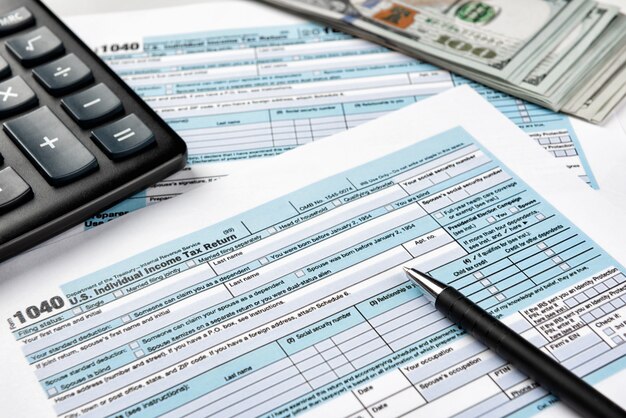
Navigating the Form 1040: This is the standard tax form for individuals. Understanding this form is critical as it outlines income, deductions, credits, and tax owed or overpaid.
- Line-by-Line Breakdown: Start from the top, reviewing every line’s information for accuracy. Mistakes often happen in the details.
- Taxable Income vs. Adjusted Gross Income (AGI): Distinguish between these as adjustments can significantly lower your taxable income.
Tips for Reviewing Your Tax Return
- Check for Common Errors: Simple errors, like incorrect social security numbers or wrong math, can delay processing.
- Verify All Income is Reported: Ensure that all income forms, like W-2s or 1099s, match what’s reported on your return.
Common Issues and How to Resolve Them
Dealing with a Tax Audit
An audit doesn't automatically imply wrongdoing. Here’s how to handle it:
- Stay Calm and Gather Information: Collect all relevant documents and organize them accordingly.
- Understand the Reason for the Audit: It could be random or due to specific discrepancies.
What to Do If You Owe Money
Owing taxes can be stressful, but there are manageable steps to take:
- Explore Payment Plans: The IRS offers installment plans for those who cannot pay at once.
- Understand Penalties and Interest: These can accrue quickly, so addressing the issue promptly is key.
Maximizing Your Tax Return's Benefits
Leveraging Deductions and Credits
Maximize refunds or reduce liabilities by tapping into every deduction and credit available:
- Standard Deduction vs. Itemized Deductions: Weigh the benefits of each; itemizing might yield more savings if you have significant deductible expenses.
- Popular Tax Credits: Explore credits like the Earned Income Tax Credit (EITC) to reduce your tax bill.
Professional Help vs. DIY Filing
Deciding between filing yourself or hiring a professional is a personal decision based on complexity and comfort level:
- Software Solutions: Ideal for straightforward tax situations.
- Tax Professionals: Benefit those with complex financial situations or limited tax knowledge.
Future Tax Planning: An Ongoing Process
Effective tax strategy goes beyond the annual tax return:
- Keep Organized Financial Records: Consistent, accurate record-keeping simplifies the filing process.
- Stay Informed on Tax Law Changes: Tax laws can change yearly, impacting deductions and credits.
- Implement Tax Efficiency: Plan charitable contributions or retirement savings with taxes in mind to optimize benefits.
🚀 Quick Tips and Key Takeaways
- 📈 Verify all reported income to avoid discrepancies.
- 🔍 Double-check personal information for accuracy to prevent delays.
- 💡 Use tax credits wisely to directly reduce your tax bill.
- 🗂 Keep thorough records for an easy, stress-free filing.
- 🔄 Review possible deductions and credits yearly—they can change!
With this understanding in hand, tackling your tax return no longer needs to be an intimidating endeavor. By methodically working through the various forms, verifying the details, and taking advantage of available tax-saving opportunities, you can approach tax season with confidence and clarity. Always remember that tax returns not only fulfill a legal obligation but also serve as a chance to understand your financial situation better. Here's to making informed decisions that empower your financial future!
Discover More
- Am I Tax Exempt
- Are 401k Contributions Tax Deductible
- Are 529 Contributions Tax Deductible
- Are 529 Plan Contributions Tax Deductible
- Are Association Fees Tax Deductible
- Are Attorney Fees Tax Deductible
- Are Campaign Contributions Tax Deductible
- Are Charitable Donations Tax Deductible
- Are Church Donations Tax Deductible
- Are Churches Tax Exempt