When Will Tax Returns Be Issued in 2024?
As we edge closer to another tax season, the question on everyone's mind is, When will tax returns be issued in 2024? While the process may seem shrouded in mystery, understanding the typical patterns and timelines can make tax season a little less daunting. In this detailed guide, we delve into the intricacies of tax returns, shedding light on what to expect in 2024 and providing helpful tips to navigate the process efficiently.
🗓️ Understanding Tax Season: Key Dates for 2024
Tax season typically follows a predictable schedule, crucial for organizing your financial calendar. While exact dates can vary, general patterns offer a reliable framework.
📆 Filing Season Start Date
The tax filing season generally begins in late January. In recent years, the IRS has announced the start date about a month in advance, so keeping an eye on these announcements can be beneficial.
🕒 Tax Return Deadline
The usual deadline for filing taxes is April 15th. However, if this date falls on a weekend or holiday, the deadline can be pushed to the next business day. Marking this on your calendar ensures you don’t miss it.
🔄 Amended Returns and Extensions
If you need more time to file, you can request an extension, typically extending your deadline to mid-October. It’s important to note that this extends your filing time, not the payment deadline.
📈 The Tax Return Process: From Filing to Receiving
Understanding the journey of your tax return—from submission to receiving your refund—can lend clarity to the timeline.
🔍 Filing Your Tax Return
Once tax season opens, you can submit your tax return. Electronic filing (e-file) is the preferred method by many taxpayers and the IRS due to its speed and lower error rate.
📤 IRS Processing Times
Once submitted, the IRS typically processes returns within a 21-day window for e-filed taxes. Paper returns may take longer due to manual processing.
💸 Receiving Your Refund
For those expecting a refund, direct deposit is the fastest way to receive it. Troubles with your tax return, such as errors or mismatches, can delay processing.
📑 Types of Tax Returns and Special Cases
Exploring different types of tax returns and unique scenarios can offer insight for those with special considerations.
🏠 Individual Tax Returns
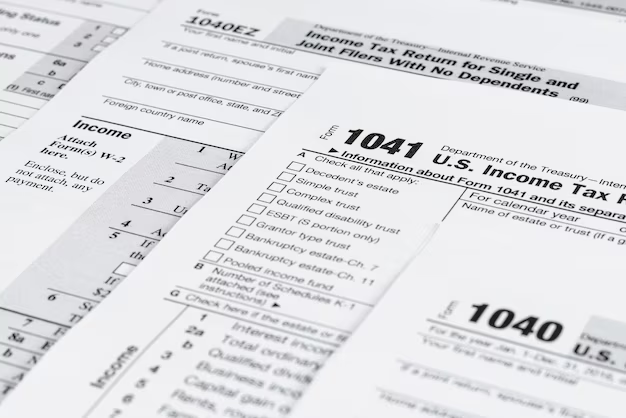
Individual tax returns, filed using Form 1040, cover income earned throughout the year, allowing for deductions and credits applicable to your situation.
🏢 Business Tax Returns
Businesses have separate forms and schedules, such as Form 1120 for corporations and Form 1065 for partnerships, each with distinct deadlines and requirements.
🌍 International Filers
U.S. citizens and resident aliens living abroad have until June 15th to file, though payment deadlines remain aligned with domestic filers.
🔄 Common Questions and Concerns
❓ Why Is My Refund Delayed?
Delays can occur for various reasons, including errors, identity verification, or owing back taxes. The IRS provides tools like "Where’s My Refund?" to track your status.
🔄 Amending a Tax Return
If you discover errors after filing, amending your return is possible using Form 1040-X. This process usually takes longer to process than initial filings.
👥 Filing Jointly or Separately?
Married couples must decide whether to file jointly or separately, with each option having distinct implications for responsibility and deductions.
🛠️ Preparing for Tax Season: Tips for Success
📋 Organize Your Documents
Keep track of essential documents: W-2s, 1099s, mortgage interest statements, student loan interest 1098-E forms, and any deduction receipts.
🧾 Understand Your Deductions
Knowing which deductions and credits you qualify for, such as education credits or energy-saving improvements, can optimize your tax savings.
🧑💼 Consider Professional Help
For complex tax situations, hiring a tax professional can provide tailored advice, ensuring compliance and maximizing refunds.
📊 Summary Section: Key Takeaways
Here's a handy checklist to ensure you're on top of your tax season preparations:
- Know Your Dates: Filing starts end of January; mark April 15th as your deadline. 🗓️
- Choose Your Method: E-file for faster processing or file paper if necessary. 💻
- Expect a Timeline: Refunds typically process in 21 days for e-filed returns. ⏱️
- Prepare Documentation: Keep all tax-related documents organized and accessible. 📑
- Understand Options: Evaluate if filing jointly or separately benefits you. 👥
- Monitor Your Refund: Use IRS tools to track your refund progress. 📲
Navigating Tax Season Confidently
Armed with the insights and timelines above, you're better equipped to manage tax season without unnecessary stress or surprises. Planning is key—understanding dates, organizing documents, and knowing your filing options all contribute to a smoother experience. Whether you're a first-time filer or a seasoned taxpayer, staying informed is your greatest asset.
Remember, every tax situation has its intricacies. Use this guide as a compass to navigate 2024's tax landscape, enabling you to make decisions with confidence and precision.
Discover More
- Am I Tax Exempt
- Are 401k Contributions Tax Deductible
- Are 529 Contributions Tax Deductible
- Are 529 Plan Contributions Tax Deductible
- Are Association Fees Tax Deductible
- Are Attorney Fees Tax Deductible
- Are Campaign Contributions Tax Deductible
- Are Charitable Donations Tax Deductible
- Are Church Donations Tax Deductible
- Are Churches Tax Exempt