Understanding WIC: What Does It Stand For and How Does It Work?
Imagine a world where every child, regardless of their family's income, starts life with the nutrition they need for optimal growth and development. For many families across the United States, the WIC program is a crucial step toward achieving this vision. But what exactly is WIC, and what does it stand for? Let's delve into the comprehensive world of WIC to understand its purpose, benefits, and how it supports families.
What Is WIC?
WIC stands for the Special Supplemental Nutrition Program for Women, Infants, and Children. It's a federal assistance program of the Food and Nutrition Service (FNS) of the United States Department of Agriculture (USDA). The program is specifically designed to support low-income pregnant, breastfeeding, and postpartum women, as well as infants and children up to age five who are at nutritional risk.
A Brief History
WIC originated in the early 1970s when studies highlighted widespread malnutrition and its impact on children's development. Understanding the need to intervene early, the government established WIC to offer nutritional support and education. Since then, it has played a pivotal role in improving health outcomes for millions of American families.
Who Qualifies for WIC?
Determining eligibility for WIC involves a combination of categorical, residential, income, and nutritional risk criteria.
- Categorical Requirement: WIC targets pregnant, postpartum, and breastfeeding women, along with infants and children up to age five.
- Residential Requirement: Applicants must reside in a state or territory where they are applying.
- Income Requirement: Families must have an income at or below 185% of the federal poverty guidelines. Alternatively, they can qualify if they're eligible for Medicaid or other government assistance programs.
- Nutritional Risk Requirement: Applicants must be assessed by a healthcare professional to have a nutritional risk, which includes medical-based risks like anemia or diet-based risks like inadequate dietary patterns.
How WIC Benefits Families
WIC offers a variety of advantages that go beyond just providing food assistance. Here’s what participants gain:
Nutritional Support
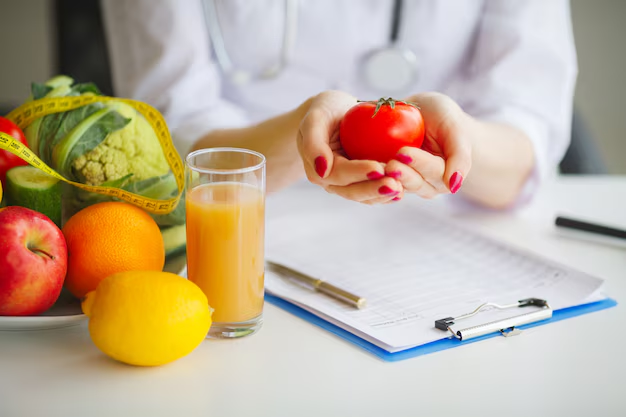
Participants receive supplemental nutritious foods such as fruits and vegetables, whole grains, milk, eggs, and infant formula. These are crucial for ensuring proper growth and development in young children and supporting healthy pregnancies.
Nutrition Education
WIC doesn't just provide food; it also focuses on nutrition education to help families make healthier choices. Participants attend educational sessions where they learn about healthy eating, meal planning, and other relevant topics.
Healthcare Referrals
Another significant advantage of WIC is the access to healthcare referrals. Participants are often connected to healthcare services like immunizations and prenatal care, which are vital for maintaining the health of both mothers and children.
Breastfeeding Support
WIC actively promotes breastfeeding as the optimal choice for infant feeding. They offer resources such as breastfeeding education and peer counseling to help new mothers start and continue breastfeeding successfully.
The Impact of WIC on Communities
WIC's influence extends beyond individual families and significantly impacts communities. Here's how:
Improving Health Outcomes
One of WIC's primary goals is to enhance health outcomes. Numerous reports indicate that WIC can reduce premature births, increase the chances of receiving prenatal care, and ultimately improve cognitive and nutritional development in children.
Economic Benefits
By providing nutritional resources to vulnerable populations, WIC helps to alleviate economic burdens. Families can redirect finances saved from grocery costs to other necessities like housing, healthcare, and education.
Educational Advancement
Children who have access to adequate nutrition perform better in school settings. WIC's role in ensuring nutritional adequacy helps lay a strong foundation for lifelong learning and educational success.
How the WIC Process Works
Many people wonder what the WIC process entails. Here’s a step-by-step guide to understanding how one can enroll and benefit from the program:
Step 1: Application
Interested families start by applying for the program at their local WIC office. The application process usually involves gathering documentation to demonstrate eligibility based on income, residential status, and nutritional risk.
Step 2: Nutrition Assessment
A nutrition assessment is conducted by WIC staff or health professionals to evaluate nutritional needs and risks. This step ensures that the program efficiently targets those who will benefit most from WIC's resources.
Step 3: Issuing Benefits
Once approved, participants receive WIC benefits such as vouchers or EBT cards. These benefits are used to purchase authorized food items from participating stores.
Step 4: Ongoing Support
Participants continue to receive ongoing support in the form of nutrition education and counseling. They must periodically re-certify to ensure they remain eligible for WIC benefits.
WIC Approved Foods and Why They Matter
You might wonder what differentiates WIC-approved foods from other food items. The WIC program meticulously selects foods to meet specific nutritional requirements:
- Fruits and Vegetables: High in vitamins and minerals, essential for growth and development.
- Whole Grains: Provide fiber, which aids digestion and maintains stable blood sugar levels.
- Dairy Products: Sources of calcium and vitamin D, promoting strong bones and teeth.
- Lean Proteins and Eggs: Essential for muscle development and overall health.
Why WIC Foods Are Specific
Foods chosen by WIC aim to close nutrient gaps and address common deficiencies among low-income populations. By excluding non-essential foods that lack nutritional value, WIC ensures that participants' dietary needs are fully met.
Common Misconceptions About WIC
Despite its positive goals, WIC is sometimes misunderstood. Here are some common misconceptions and the truth behind them:
WIC Is Only for Unemployed or Homeless Individuals
True or False? This is false. WIC serves families from various circumstances, including those with working parents. Eligibility is based on income levels, not employment status alone.
WIC Provides All Groceries
While WIC offers critical nutritional support, it is designed to cover specific food items essential for health, not all groceries a family might need. Participants often purchase additional items with personal funds or other assistance programs.
Breastfeeding Support is Minimal
On the contrary, WIC provides extensive breastfeeding resources. They actively promote breastfeeding and offer incentives, education, and personal support through peer counselors.
Careful Considerations for Eligible Families
Participating in WIC can be a game-changer for many families. Here are some key takeaways and tips:
🛒 Quick Tips for WIC Participants:
- Check your benefits balance regularly: Staying informed about your remaining benefits can help you plan your monthly purchases effectively.
- Stick to the WIC approved list: Ensure that you're selecting eligible items to avoid checkout issues.
- Engage in nutrition education programs: Take advantage of available classes and resources to maximize your health benefits.
- Utilize breastfeeding support: Reach out for guidance and make use of WIC’s breastfeeding resources and encouragement.
By adhering to these practical guidelines, families can make the most of what WIC has to offer and encourage healthier habits for both parents and children.
WIC's Future and Its Continuing Relevance
The need for WIC remains strong, with ongoing discussions about improving and expanding the program. As it stands, WIC continues to evolve alongside changing nutritional guidelines and societal needs, ensuring that it remains relevant and effective in addressing hunger and malnutrition in America.
In summary, WIC stands as a beacon of hope and development for countless families, empowering them to nurture healthier lifestyles. By understanding and making the most of the program, families can lay down a foundation of wellness and opportunity for the next generation.