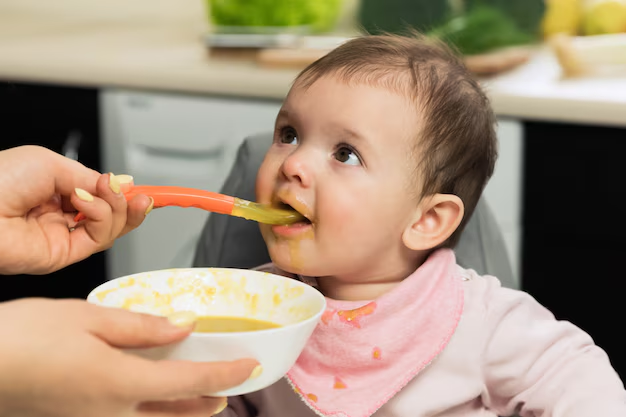
Discovering WIC: An In-Depth Guide to the Women, Infants, and Children Program
Are you a new or expectant mother curious about the benefits of government assistance programs designed to support your family’s nutritional needs? Or are you just interested in understanding what WIC stands for and how it might be relevant to you? Whatever your reason, today we're diving into the Women, Infants, and Children (WIC) program – a valuable resource impacting millions across the U.S.
🌟 What is WIC?
The Women, Infants, and Children (WIC) program is a federal assistance initiative aimed at enhancing the health and nutrition of low-income pregnant, breastfeeding, and postpartum women, as well as infants and children up to age five. By providing nutritious foods, educational guidance, and support, WIC seeks to improve health outcomes for eligible families.
Key Components of the WIC Program
- Nutrition Education: Participants receive guidance on making healthier food choices and establishing lifelong nutritious eating habits.
- Supplemental Nutritious Foods: WIC provides vouchers or benefits to purchase healthy food options, including fruits, vegetables, whole grains, dairy products, and infant formula.
- Health Referrals: Participants are connected with healthcare providers for additional medical and social services.
- Breastfeeding Support: The program encourages breastfeeding through counseling, peer support, and access to lactation consultants.
🤔 Who is Eligible for WIC?
To benefit from WIC, applicants must meet specific criteria regarding income, residency, and nutritional risk.
Income Requirements
The program targets families with incomes at or below certain levels, adjusted frequently to accommodate economic shifts. These limits are generally set at or below 185% of the federal poverty guidelines. Participants must provide proof of income, which can include pay stubs, tax records, or unemployment benefits.
Residency and Citizenship
Applicants must reside in the state where they apply for benefits. While citizenship isn’t mandatory, non-citizen applicants might face additional documentation requirements.
Nutritional Risk Assessment
A key aspect of eligibility is demonstrating nutritional risk, which is assessed during the application process by a healthcare professional. This can include concerns like anemia, being overweight, or inadequate dietary patterns.
📝 How to Apply for WIC
Step-by-Step Application Process
- Locate Your Nearest WIC Office: Begin by finding the WIC office nearest to your residence. This can often be done online or by calling state health departments.
- Make an Appointment: Contact the chosen office to schedule an appointment to discuss eligibility and the application process.
- Prepare Documentation: Gather necessary documents including proof of income, residency, and identification for all applying family members.
- Attend the Appointment: During the appointment, a health professional will determine eligibility, discuss nutritional risks, and outline available benefits.
What to Expect Following Application
Once approved, participants will receive benefits that they can use at authorized retailers for food purchases. Additionally, they'll be connected with resources for ongoing nutritional education and healthcare services.
🛒 What Foods are Provided by WIC?
WIC’s tailored food packages help meet the unique nutritional needs of different groups. Here’s a breakdown of common items covered by WIC benefits:
- For Pregnant and Postpartum Women: Milk, eggs, fresh fruits and vegetables, whole wheat bread, and other grains.
- For Infants: Infant cereals, fruits and vegetables, and formula for those who do not breastfeed.
- For Children: Nutritious staples similar to those provided to women, with adjustments for age-appropriate needs.
Tips for Shopping with WIC
- Know What's Covered: Check the list of approved WIC foods, often provided at enrollment, to avoid purchasing items not covered by benefits.
- Use WIC Vouchers Wisely: Plan shopping trips around items your family needs to prevent wasting vouchers.
- Look for WIC Labels: Authorized foods are often marked with WIC-approved labels in stores.
🩺 The Importance of WIC in Health and Nutrition
Nutritional Impact
The assistance provided by WIC plays a crucial role in the dietary habits of participating families. Access to nutritious foods helps mitigate risks associated with poor diet, fostering better health outcomes, especially during critical developmental stages.
Socioeconomic Benefits
WIC doesn’t just benefit its direct recipients. The program influences community health broadly by reducing healthcare costs associated with poor early childhood nutrition.
Breastfeeding Support
WIC’s emphasis on promoting and supporting breastfeeding presents numerous benefits. Breastfeeding has been linked to healthier immune systems in infants and boasts significant long-term health advantages for both mother and child.
📊 Key Takeaways from the WIC Program
Let's summarize some practical insights about the WIC program:
- Eligibility Focus: Primarily aids those facing economic hardship, nutritional concerns, and lacking access to necessary resources.
- Holistic Approach: Offers nutritional support, education, and connections to health services.
- Significant Impact: Provides comprehensive dietary solutions contributing to early developmental success.
| 🚼 | WIC Snapshot |
|---|---|
| 👩👦 | For women, infants, and children up to age five in need of nutritional support |
| 📄 | Requires proof of income, residency, and demonstrated nutritional risk |
| 🛍 | Benefits used for purchasing approved healthy food items |
| 💡 | Offers ongoing nutritional education and healthcare referrals |
| 🍼 | Strong advocacy and resources for breastfeeding mothers |
🤝 Community and Individual Benefits of WIC
Broader Community Impact
The benefits of WIC extend beyond individual families. By improving maternal and child nutrition, WIC supports public health, reducing the incidences of nutrition-related health problems and easing the financial burden on public healthcare systems.
Empowering Families
Through various services, WIC empowers participating families by improving dietary knowledge and promoting healthier lifestyle choices. By investing in its members, WIC fosters resilient communities positioned to thrive.
Educational Opportunities
WIC’s educational programs provide families with important tools to make informed dietary choices, ensuring long-lasting positive impacts on health and well-being.
🌈 Looking Forward: The Future of WIC
As communities evolve, so does the role of programs like WIC. Continuous adaptation ensures the program effectively meets emerging nutritional challenges head-on. With expanding diversity in dietary needs and preferences, WIC remains committed to providing comprehensive, equitable support for all eligible participants.
Potential Enhancements
As technology advances, WIC aims to streamline processes through digital enhancements, improving benefit delivery and ensuring seamless interactions between participants and resources.
Increased Outreach
Educational efforts and the proliferation of user-friendly resources continue to raise awareness about WIC’s offerings, encouraging wider participation among eligible families yet to discover its benefits.
The Women, Infants, and Children program stands as a vital lifeline for many, supporting improved health outcomes and nurturing a healthier, more informed generation. Whether you're new to its offerings or seeking to understand more deeply its impacts, WIC is a testament to the power of community-focused assistance in fostering flourishing societies.