Unlocking Your 401(k): A Guide to Accessing Funds Wisely
Are you contemplating tapping into your 401(k) for financial needs or opportunities? Making informed choices about accessing your retirement savings can significantly impact your financial future. While a 401(k) is primarily designed for retirement, there are legitimate ways to access funds if needed. Let’s explore how to approach this strategically.
Understanding the Basics: What is a 401(k)?
A 401(k) plan is a retirement savings account offered by many employers to help workers save for retirement with tax advantages. Contributions are typically made pre-tax, allowing your investments to grow tax-deferred until you begin making withdrawals. It's crucial to understand how this works to weigh the benefits and potential consequences of accessing these funds early.
Employer Contributions
Your employer may match a certain percentage of your contributions, which can significantly boost your retirement savings. This is often considered "free money" and is one reason why utilizing a 401(k) can be highly beneficial.
Vesting Periods
Some employers enforce vesting periods, during which you must stay with the company to keep their contributions. Understanding vesting schedules is essential for planning the timing and amount of any potential withdrawals or rollovers.
Accessing 401(k) Funds Before Retirement: What Are Your Options?
Before diving into the methods of accessing your 401(k) funds, remember that dipping into these savings prematurely can have tax implications and penalties. Here’s how you can access your 401(k) while mitigating some risks:
1. 401(k) Loans
Taking a loan from your 401(k) allows you to borrow against your retirement savings, typically at a low-interest rate. Here's how it works:
- Loan Limits: You can usually borrow up to 50% of your vested balance, capped at $50,000.
- Repayment Terms: Loans are generally repaid via payroll deductions within five years, with interest paid back into your account.
Pros: You avoid early withdrawal penalties, and the interest goes back into your account.
Cons: Loans must be repaid even if you leave your job, accelerating repayment or risking penalties and taxes if defaulted.
2. Hardship Withdrawals
Hardship withdrawals allow you to take money out of your 401(k) under certain circumstances defined by the IRS:
- Eligible Expenses: Includes medical bills, home purchase, educational fees, or to prevent eviction/foreclosure.
- Fees and Taxes: Withdrawals are taxed as income and may incur a 10% early withdrawal penalty unless exceptions apply.
Pros: Immediate access to funds during dire circumstances.
Cons: Withdrawn amounts are subject to taxes and penalties, reducing your retirement nest egg.
Qualified Distributions: Tapping Into Retirement Age Savings
Normal Retirement Age typically starts at 59½, which is when 401(k) withdrawals can be made without penalties (though taxes may still apply).
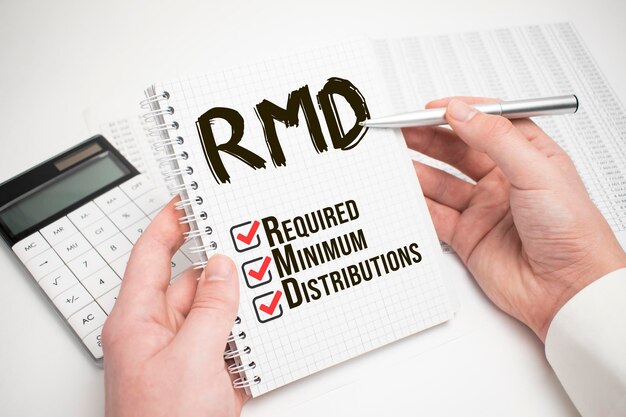
- Required Minimum Distributions (RMDs) kick in at age 73, compelling you to start withdrawing funds to avoid penalty fees. Knowing when and how much to withdraw ensures compliance with tax laws and effective financial planning.
Alternatives to Withdrawing 401(k) Funds
Before opting to withdraw from your 401(k), consider these alternatives:
- Emergency Savings: Dip into liquid savings that have no penalties and less tax implications.
- Home Equity Loans: These often offer competitive rates and spread repayment over a longer period.
- Personal Loans: Although these may carry higher interest rates, there are no associated penalties impacting your retirement funds.
Navigating Taxes and Penalties: What You Need to Know
Understanding the tax implications of withdrawing from your 401(k) is pivotal:
- Income Tax: Any withdrawal is subject to ordinary income tax rates.
- Early Withdrawal Penalty: Withdrawals before age 59½ typically incur a 10% penalty unless exceptions apply (e.g., using funds for qualified medical expenses or in the event of disability).
Special Circumstances and Exceptions
Certain conditions such as substantial medical bills that exceed a percentage of your income, or a divorce settlement, may qualify you for penalty-free withdrawals.
Strategic Considerations for Accessing Your 401(k) Wisely
The decision to withdraw from your 401(k) involves careful planning and consideration. Here are some strategic tips to keep in mind:
- Evaluate Necessity: Consider whether you genuinely need to access your 401(k) funds or if alternative solutions exist.
- Understand Long-Term Impact: Each withdrawal reduces your compounded retirement savings, potentially affecting your long-term financial security.
- Consult a Financial Advisor: Professional guidance can provide clarity on the implications of withdrawing and help strategize the best approach.
Key Takeaways for Accessing 401(k) Funds Securely
📌 Prioritize Your Future: Exhaust all other financial options before accessing your 401(k).
📌 Be Informed: Understand the tax and penalty implications of any withdrawals or loans.
📌 Plan Ahead: Consider long-term impacts on your retirement savings and strategize withdrawal amounts wisely.
📌 Seek Professional Advice: Consulting a financial advisor can help align decisions with your overall financial goals.
By being informed and cautious, you can manage your financial needs without compromising your retirement security. Remember, while your 401(k) offers liquidity in times of need, protecting your future stability should remain a priority.
Understanding how to wisely navigate the complexities of a 401(k) withdrawal can empower you to make decisions that best suit your financial situation, ensuring both immediate and long-term success.