Understanding the Inner Workings of Credit Cards: What You Need to Know
Have you ever pulled your credit card out of your wallet, swiped or tapped it, and wondered, "What exactly just happened?" Credit cards are such an essential part of our daily lives that we often use them without really understanding their mechanics. Yet, knowing how they operate isn't just an exercise in curiosity—it's a pathway to smarter financial decisions and savvy consumer behavior. Let's delve into the world of credit cards to unravel their mysteries.
📇 The Basic Anatomy of a Credit Card
Before we dive in deeper, let's explore what a credit card is composed of:
- Issuer Information: Behind every credit card is a financial institution that issues the card and determines your credit limit.
- Account Number: This unique set of digits links directly to you and your financial agreements with the issuer.
- Chip and Magnetic Strip: They store data and facilitate secure transactions by interacting with card readers.
- Security Features: Such as the CVV code, which helps verify your transactions during online purchases.
- Statement and Billing Due Dates: Critical dates to keep track of your spending and payment deadlines.
🏦 How Credit Cards Work
The Transaction Process
When you use your credit card, the sequence of events between swiping your card and taking your purchase home is a whirlwind of electronic communication involving multiple entities:
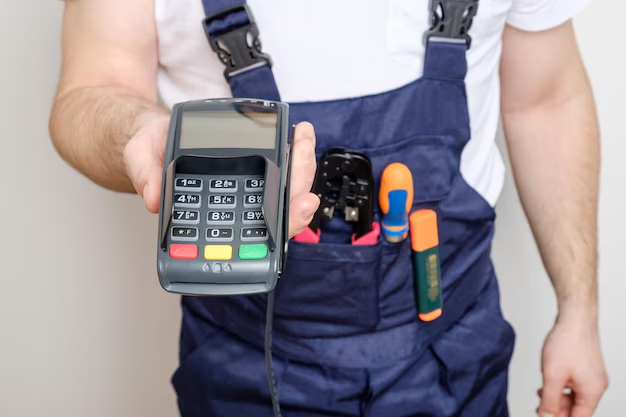
- Purchase Initiation: You swipe, insert, or tap your card at a point-of-sale device.
- Authorization Request: The device transmits a request to the merchant’s bank, which is then forwarded to your card issuer.
- Approval or Denial: The issuer verifies your information and account standing to approve or deny the transaction.
- Transaction Completion: If approved, the funds are earmarked from your available credit limit.
Statements and Payments
Around once a month, your credit card issuer will send you a statement that reflects all activity on your card, including purchases, payments, and any interest or fees:
- Minimum Payment: This is the smallest amount you can pay to avoid late fees, but ideally, you should aim to pay the full balance to prevent interest charges.
- Grace Period: If you pay off your balance fully each month, you may not have to pay interest on new purchases.
Interest Rates and Fees
Credit cards come with varying interest rates, often described as an Annual Percentage Rate (APR), and depending on your credit score and card type, these rates can significantly affect your cost of borrowing:
- Interest Types: Interest can be applied to purchases, cash advances, and balance transfers.
- Penalty Fees: Late payments or violating the card's terms can lead to penalty rates.
📈 Credit Cards and Your Credit Score
Your credit card usage plays a pivotal role in your financial health by impacting your credit score. Here's how:
- Payment History: Regular, on-time payments boost your score.
- Credit Utilization: Maintaining a low balance relative to your credit limit betters your score.
- Credit History: Length and consistency in credit use are beneficial.
Using credit responsibly contributes positively to your credit profile, allowing you to enjoy better loan terms and interest rates in the future.
💡 Choosing the Right Credit Card
Selecting a credit card isn't just about accepting the first offer that lands in your mailbox. Consider these factors:
- Interest Rates: Cards with lower rates are preferable if you carry balances.
- Rewards and Benefits: Some cards offer cashback, travel rewards, or points that can enhance value.
- Fees: Assess annual fees, foreign transaction fees, and other costs that might eat into your savings.
Different Types of Credit Cards
- Standard Cards: Basic credit cards without significant bells and whistles, suitable for straightforward transactions.
- Rewards Cards: Offer cashback or points based on spending patterns.
- Secured Cards: Require a deposit and are ideal for building or rebuilding credit.
📊 Summarizing Key Takeaways
Here's your cheat sheet to navigating the credit card landscape effectively:
- 🚀 Always pay your balance in full to avoid interest.
- 🔍 Monitor your credit score and report regularly.
- 🎯 Choose a card that aligns with your spending habits and rewards preference.
- 🛑 Keep an eye on fees and penalties that can add up.
🛠️ Using Your Credit Card Wisely
Credit cards offer a gateway to financial flexibility, but smart usage is essential to harness their full potential:
- Keep Track of Spending: Digital tools and apps can help you track expenses and stay within budget.
- Understand Terms and Conditions: Familiarize yourself with your card's terms, including fees, interest, and rewards.
- Avoid Cash Advances: Usually come with higher interest rates and fees.
- Utilize Rewards: Strategically use points and cashback offers to reduce costs.
Final Insight
Understanding how credit cards work equips you with the knowledge to use them as a powerful tool rather than a financial burden. Whether it's managing monthly expenses, building credit, or enjoying rewards, the key to success lies in informed and responsible use. As you swiggle through the complexities of credit card usage, remember, every swipe is not just a transaction—it's an opportunity to enhance your financial well-being.
Discover More
- a Credit Card
- Am Eagle Credit Card
- Are Airline Credit Cards Worth It
- Are Credit Card Points Taxable
- Are Credit Card Rewards Taxable
- Can a Credit Card Company Sue You
- Can a Debit Card Be Used As a Credit Card
- Can a Money Order Be Paid With a Credit Card
- Can a Secured Credit Card Build Credit
- Can Credit Card Companies Garnish Your Wages