Everything You Need to Know About Credit Card Numbers: Length, Structure, and More
Credit cards have become an integral part of modern financial life, simplifying transactions and enabling seamless online shopping experiences. But how much do we really know about those mysterious strings of numbers embossed on our cards? Let's dive into the nuances of credit card numbers, including their length, structure, and significance.
📏 What is the Standard Length of a Credit Card Number?
When you look at your credit card, you'll notice a series of numbers prominently displayed on the front. Typically, a credit card number is 16 digits long. This length is standardized across most credit card issuers, although slight variations might occur depending on the type of card and the issuer's network.
Common Length Variations
- VISA, MasterCard, and Discover: Typically, these cards feature a 16-digit number.
- American Express: Known for its unique structure, American Express cards generally have a 15-digit number.
- Diners Club and Carte Blanche: These may come with a 14-digit number.
Understanding the length of your card number is the first step in demystifying its function and security attributes.
🔍 Breaking Down the Structure of a Credit Card Number
A credit card number isn't just a random assemble of digits; it's systematically organized to convey specific information. Here's how it's structured:
The Anatomy of a Credit Card Number
Issuer Identification Number (IIN): The first six digits represent the card issuer.
- Major Industry Identifier (MII): The first digit indicates the industry of the card's issuer (e.g., travel, banking).
- Bank Identifier Number (BIN): The next five digits specify the institution issuing the card.
Account Number: The digits that follow form the account number, which is unique to each cardholder. Its length can vary but often comprises the next 6 to 9 digits, giving each user an exclusive identity within the issuer's database.
Check Digit: The last digit is a check digit, which helps to verify the number's validity using the Luhn algorithm, a form of checksum designed to catch data entry errors.
🧩 What Makes Credit Card Numbers Secure?
A well-designed credit card number system not only streamlines identification and transactions but also helps protect against fraud and misuse. Here's how:
Built-in Security Features
- Luhn Algorithm: This simple yet robust formula checks the validity of a card number, preventing accidental errors.
- Unique Account Numbers: Issuers design account numbers to minimize chances of duplication, using unpredictable patterns.
- Multiple Verification Steps: Alongside the number, cards employ other security features like CVV (Card Verification Value) and expiry dates to add layers of protection.
Despite these features, safeguarding your card details remains essential. Practice caution when sharing or storing credit card information.
💡 Practical Tips for Managing Credit Card Numbers
To protect your financial well-being, consider these helpful guidelines:
- 📵 Avoid Sharing: Keep your card details private. Be cautious when entering information online or sharing on calls.
- 🔑 Use Secure Platforms: Only transact on websites with HTTPS security.
- 📬 Monitor Statements: Regularly check your credit card statements for unauthorized transactions.
- 🛡️ Enable Alerts: Many banks offer transaction alerts via SMS or email. Opt for these to stay informed about your card's activities.
By adopting these measures, you can significantly reduce the risk of financial mishaps.
🔄 How Do Credit Card Numbers Facilitate Transactions?
Credit card numbers play a vital role in enabling transactions swiftly and securely. From point of sale devices to online purchases, here's a snapshot of their functionality:
Swiping at Physical Locations:
- POS Terminals: When you swipe your card, the merchant's point of sale system reads the data encoded in the card's magnetic stripe or chip.
- Transaction Approval: The information is transmitted to the card issuer for verification. If authorized, the transaction proceeds within seconds.
Using Online Platforms:
- Data Entry: You enter your card number, expiration date, and CVV.
- Encryption and Verification: This information is encrypted, sent to the issuer, and only if authenticated, the transaction is approved.
Ultimately, the card number streamlines the communication between merchants, banks, and customers, allowing for frictionless transactions.
🌐 Variations and Innovations in Credit Card Technology
The world of credit cards has witnessed remarkable innovations aimed at enhancing convenience, security, and user experience. Here's a look into some contemporary advancements:
EMV Chips and Virtual Card Numbers
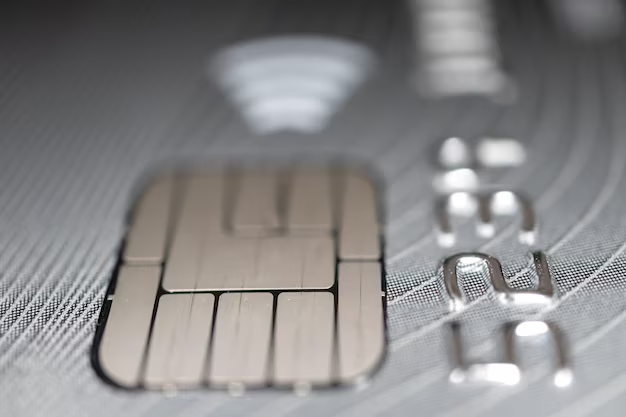
- EMV Chips (Europay, Mastercard, and VISA): Embedded chips on cards store data securely, reducing the likelihood of cloning compared to magnetic strips.
- Virtual Card Numbers: Temporary card numbers are generated for online transactions, adding a layer of security by protecting your actual card number from potential breaches.
These technological improvements mark a significant shift towards enhanced security and customer empowerment.
📋 Quick Reference: Key Takeaways on Credit Card Numbers
- Standard Length: Most credit card numbers are 16 digits (except for American Express and others).
- Structure: Numbers split into issuer identifier, account number, and a check digit.
- Security Features: Cards use the Luhn algorithm, unique account numbers, and multiple verification methods.
- Management Tips:
- Protect your card information.
- Opt for secure websites.
- Regularly monitor statements.
- Enable activity alerts.
- Transaction Role: Card numbers ensure secure and swift processing.
- Innovations: EMV chips and virtual card numbers enhance security.
By taking a closer look at your credit card numbers, you can better understand and leverage their features, ultimately enhancing your financial literacy and security. As technology continues to evolve, monitoring these advancements can empower you to make informed and prudent financial decisions.
Discover More
- a Credit Card
- Am Eagle Credit Card
- Are Airline Credit Cards Worth It
- Are Credit Card Points Taxable
- Are Credit Card Rewards Taxable
- Can a Credit Card Company Sue You
- Can a Debit Card Be Used As a Credit Card
- Can a Money Order Be Paid With a Credit Card
- Can a Secured Credit Card Build Credit
- Can Credit Card Companies Garnish Your Wages