Mastering the Art of Credit Card Payment Acceptance: A Comprehensive Guide
Handling credit card payments has become a crucial skill in today’s fast-paced digital economy, whether you're running a small business, setting up a remote service, or exploring online entrepreneurship. In this detailed guide, we delve into everything you need to know about efficiently and securely accepting credit card payments. From setting up the right systems to understanding the intricacies of transaction processes, we ensure you have all the information you need to succeed.
Understanding Credit Card Payment Systems
Before diving into the specifics of taking credit card payments, it's essential to understand the framework within which these transactions occur.
The Role of Payment Gateways and Processors
Payment gateways act as the digital equivalent of a point-of-sale terminal, facilitating the transfer of transaction information between the merchant and the bank. Payment processors, on the other hand, handle the actual transaction, ensuring funds are transferred from the customer’s credit card account to the merchant's bank account.
Merchant Accounts: The Business Banking Backbone
A merchant account is a specific type of bank account that allows your business to accept credit card payments. It temporarily holds the funds from credit card transactions before they are transferred to your business account, typically after deducting transaction fees.
Setting Up to Accept Credit Card Payments
Whether you're an emerging retail giant or a neighborhood café, the process of accepting credit card payments follows a universal set of steps.
Choosing the Right Payment Gateway
Selecting the right payment gateway is critical, impacting transaction fees, processing speed, and customer experience.
- Ease of Use: Choose a gateway that integrates seamlessly with your website or in-store systems.
- Security: Look for gateways that offer robust fraud protection and PCI compliance.
- Fees and Costs: Compare transaction fees to ensure you’re not overpaying for the service.
Obtaining a Merchant Account
To process credit card payments, you need a merchant account, which acts as a holding pen for the funds from card transactions.
- Application Process: Typically involves a review of your business’s financial history, sales volume, and credit score.
- Fee Structures: Be aware of setup fees, transaction fees, and any monthly service costs.
In-Store vs. Online Payments
Accepting payments varies greatly depending on whether they’re conducted in-store or online. Each environment has unique requirements and challenges.
In-Store Payment Methods
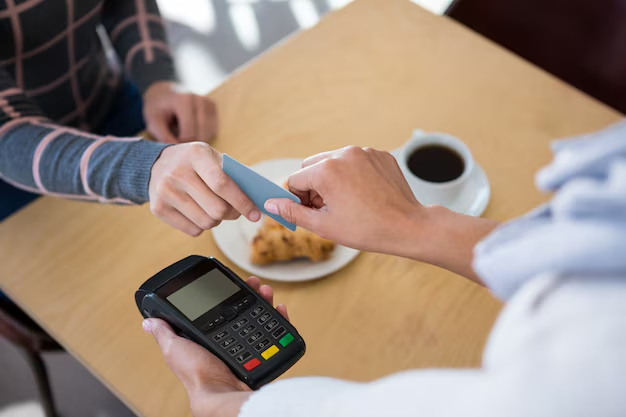
Physical transactions often leverage POS (Point of Sale) systems. These systems can include:
- Card Readers: Devices like chip readers that can be standalone or part of a larger POS system.
- NFC (Near Field Communication) Devices: Allowing for contactless payments via smartphone or card-tap technology.
Online Payment Solutions
Online transactions require a different setup, typically involving:
- Secure Checkout Pages: Ensure that any page collecting customer data is encrypted and secure.
- Hosted Payment Pages: Redirects customers to a secure page from a third-party payment processor.
Security Considerations
Given the nature of credit card transactions, maintaining stringent security is paramount.
PCI Compliance
PCI DSS (Payment Card Industry Data Security Standard) is a set of security standards designed to ensure companies that accept, process, store, or transmit credit card information maintain a secure environment.
Fraud Prevention Tips
- Tokenization: Replaces card details with a unique identifier that can't be exploited in case of a breach.
- Address Verification System (AVS): Checks the billing address on file with the credit card issuer as another hurdle for fraudsters.
- Two-factor Authentication (2FA): Add an extra layer of security during the transaction phase.
Navigating Fees and Costs
Understanding the financials behind credit card transactions will significantly impact your bottom line.
Types of Fees
- Transaction Fee: Charged per transaction, typically a percentage of the total sale plus a small fixed amount.
- Monthly Service Fee: Many providers charge a recurring fee for maintaining the payment processing service.
- Chargeback Fee: If a chargeback is initiated, there might be an additional fee from your processor.
Negotiating with Providers
It's often possible to negotiate lower rates or more favorable terms with your payment processor based on your transaction volume or history.
Enhancing Customer Experience
The smoother you make the payment process, the more satisfied your customers will be. This can translate into increased sales and customer loyalty.
Streamlined Checkout Process
- Speed: Ensure transactions can be processed swiftly with minimal steps for the customer.
- Clarity: Clearly display payment amounts and fees to avoid customer confusion or frustration.
Mobile Payments
With the rise of smartphones, offering mobile payment options is crucial for improving customer experience.
- Digital Wallets: Accept payments through services like Apple Pay or Google Wallet.
- Mobile Apps: Ensure your payment gateway is mobile-optimized to cater to all devices.
💡 Key Takeaways for Accepting Credit Card Payments
- Choose the Right Gateway: Opt for payment systems that align with your business size and model.
- Security First: Always prioritize PCI compliance and incorporate advanced security measures like tokenization.
- Transparent Fee Structures: Understand all costs involved and negotiate rates where possible.
- Customer Experience: Simplify the checkout process and accommodate mobile payments to cater to a diverse audience.
Here's a concise list to help organize these insights:
| Aspect | Key Considerations |
|---|---|
| Setup | Choose a reliable payment gateway with low fees and good security. |
| Security | Ensure PCI compliance and use tools like tokenization and AVS. |
| Fees | Understand various fees like transaction and chargeback fees; negotiate lower rates. |
| Customer Experience | Optimize checkout for speed and simplicity; ensure mobile payment options are available. |
Conclusion: Empowering Your Business with Knowledge
By understanding the mechanisms behind credit card transactions and your options for payment gateways, merchant accounts, and security measures, you equip your business to handle credit card payments efficiently and securely. In doing so, you not only protect your financial interests but also enhance the overall customer experience, fostering loyalty and boosting sales in the long term.
Discover More
- a Credit Card
- Am Eagle Credit Card
- Are Airline Credit Cards Worth It
- Are Credit Card Points Taxable
- Are Credit Card Rewards Taxable
- Can a Credit Card Company Sue You
- Can a Debit Card Be Used As a Credit Card
- Can a Money Order Be Paid With a Credit Card
- Can a Secured Credit Card Build Credit
- Can Credit Card Companies Garnish Your Wages