What Happens to Your Old Credit Card After a Balance Transfer? Understand the Steps and Your Options
If you've ever considered a balance transfer to manage credit card debt, you're not alone. 🚀 It's a popular financial strategy that can help lower interest rates and manage repayments more effectively. But one question that often arises is: What happens to your old credit card after a balance transfer? Let's delve into the nuances, potential actions, and decisions you'll need to make once your balance transfer is complete.
🌟 Hook: The Rise of Balance Transfers in Debt Management
Many people find themselves juggling multiple credit card balances, accruing interest at alarming rates. A balance transfer can be a game-changer in such scenarios, offering a potential lifeline towards financial stability. By transferring high-interest debt to a card with a lower interest rate, you can save on interest and expedite the debt repayment process. However, understanding the fate of your old credit card post-transfer is essential for maintaining financial health and maximizing this strategic move.
H2: The Mechanics of Balance Transfers
H3: What is a Balance Transfer?
A balance transfer involves moving the outstanding debt you have on one or more credit cards to another card, typically with a lower interest rate or an introductory zero-interest period. This can reduce the interest charges you'll have to pay, allowing more of your payments to go towards reducing your principal debt.
H3: What Happens Immediately After a Transfer?
When you initiate a balance transfer, the new credit card issuer pays off your old credit card debt on your behalf. The balance is then moved to your new card, and you'll start making payments to the new issuer. This shift leaves your old credit card with a zero balance, but that doesn't mean it's no longer important. It’s crucial to consider your next steps with this now zero-balance card.
H2: Options for Managing Your Old Credit Card
H3: Option 1: Keep the Card Open
Why keep it open?
- Credit Utilization Ratio: One of the primary reasons to keep your old credit card open is its impact on your credit utilization ratio, which is a significant factor in your credit score. A larger available credit limit can mean a lower utilization ratio, positively influencing your score.
- Credit History: Longer credit histories are favorable for credit scores. By keeping your old card open, you maintain the length of your credit history, which is essential for a healthy credit profile.
- Emergencies and Rewards: An additional card could serve as a financial backup for emergencies or be used to accumulate rewards if it offers perks.
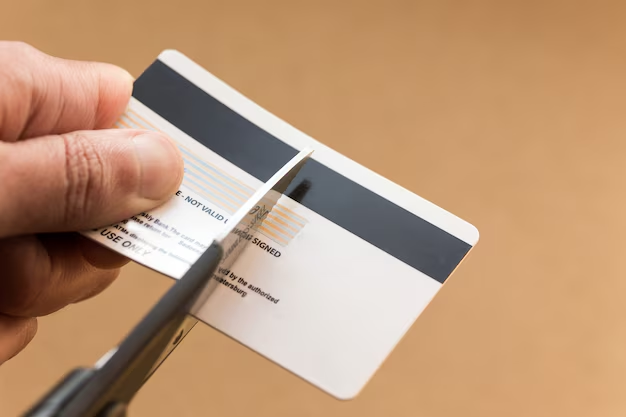
H3: Option 2: Close the Card
Why consider closing it?
- Annual Fees: If your old card has a high annual fee and you're not benefiting from its features, it may be more economical to close the account.
- Simplify Finances: Sometimes, having too many cards can be overwhelming. If you prefer a streamlined financial setup, closing the card can reduce the noise.
- Temptation to Spend: For those who find it challenging to resist the temptation of available credit, closing an account might help in curbing unnecessary expenses.
H2: What to Do After Deciding Between Keeping or Closing
H3: Steps if Keeping Your Card Open
- Use It Occasionally: Make small purchases and pay them off in full each month to keep the card active.
- Monitor Account Statements: Regularly check your statements for any unauthorized transactions.
- Update Payment Information: Ensure that automatic payments linked to the card are updated to avoid accidental billing issues.
H3: Steps if Closing Your Card
- Redeem Rewards: Before closing, check if there are any outstanding rewards or points that you can redeem.
- Pay Off Remaining Balances: Ensure all pending balances, including recent purchases or promotions, are cleared.
- Contact Customer Service: Confirm with the card issuer that your request for closure has been processed and obtain a confirmation or reference number for your records.
- Monitor Your Credit Report: Keep an eye on your credit report to ensure the account is reported as closed without any glitches or errors.
H2: Impact of Balance Transfers on Your Credit Score
H3: Understanding the Effects
While balance transfers can assist in debt management, they can have both short-term and long-term impacts on your credit score. Knowing how these changes might affect your score will help you strategize accordingly:
- Hard Inquiry: Applying for a new credit card can lead to a hard inquiry on your credit report, which may slightly reduce your score temporarily.
- Credit Utilization: If managed well, shifting your balance to a new card with a larger credit limit can lower your utilization ratio, potentially boosting your score.
- Credit Age Impact: Closing an older card might reduce the average age of your credit accounts, which can negatively affect your credit score.
🌟 Practical Tips and Takeaways
Here’s a quick list of tips to maximize your balance transfer strategy:
- 🔄 Regularly Review: Regularly review your credit card statements for accuracy and to manage any new charges effectively.
- 💼 Contact Creditors: If unsure, contacting your creditor can provide clarity on any charges or rewards associated with the card.
- 📊 Monitor Your Credit: Keep an eye on your credit score to track the immediate and future impact of your actions post-transfer.
- 🚫 Avoid New Debt: Post-transfer, avoid racking up new debts on the old card or the new one to truly benefit from the balance transfer.
The Bigger Picture
Balance transfers offer a valuable tool in debt management, but they require a balanced understanding of all the moving parts involved. Whether you choose to keep your old credit card open or decide it's best to close it, being informed of the implications of each choice will empower you to make the best decision for your financial future. Ultimately, navigating the world of credit cards with diligence and knowledge can pave the way to greater financial security and stability.
Discover More
- a Credit Card
- Am Eagle Credit Card
- Are Airline Credit Cards Worth It
- Are Credit Card Points Taxable
- Are Credit Card Rewards Taxable
- Can a Credit Card Company Sue You
- Can a Debit Card Be Used As a Credit Card
- Can a Money Order Be Paid With a Credit Card
- Can a Secured Credit Card Build Credit
- Can Credit Card Companies Garnish Your Wages