Discover the Intricacies of Credit Card Skimmers: How to Protect Yourself
One day, you swipe your credit card at a familiar ATM, groceries are paid for seamlessly, fuel is pumped effortlessly, and life moves on. But what if—unknown to you—your card information has been captured by a criminal device nestled stealthily within that very card reader? This is the unsettling world of credit card skimmers, a hidden threat lurking in plain sight. In this comprehensive guide, we delve into credit card skimmers—what they are, how they function, and, most critically, how you can protect yourself from falling victim to these deceptive devices.
Understanding Credit Card Skimmers
What Are Credit Card Skimmers?
At its core, a credit card skimmer is a device engineered to illegally capture and store card information during legitimate transactions. These devices are designed to look part of the machine they are attached to, making them incredibly difficult to spot. Skimmers are often employed by criminals to steal card numbers and PINs, later used for unauthorized transactions, leading to financial losses and breaches of personal security.
How Do Credit Card Skimmers Work?
Skimmers work by reading the magnetic stripe on your credit card when you swipe it. This stripe contains all the necessary information for a criminal to duplicate your card. Newer devices also target chip cards by using elaborate techniques to steal information stored within the chip. These fraudulent devices are cunningly designed to go unnoticed, often blending seamlessly with legitimate card readers found on ATMs, gas pumps, and point-of-sale terminals.
Where Are Skimmers Commonly Found?
- ATMs: Skimmers at ATMs are known for being particularly discreet. Even vigilant users might find it hard to detect them.
- Gas Stations: The isolated location of many gas pumps makes them a prime target for skimmer installation.
- Retail Points of Sale: Occasionally, skimmers are found at retail checkout counters, especially at self-service or unattended terminals.
Recognizing and Avoiding Skimmers
Detecting Physical Skimmers
Visual Inspection: Before using any card reader, take a moment to inspect it visually. Look for parts that seem out of place, mismatched colors, or unusually bulky card slots.
Check for Loose Parts: A loose card reader or keypad can be a sign of a skimmer device. Legitimate machines tend to be robust and firmly anchored.
Hidden Cameras: Skimmers often come with hidden cameras aimed at capturing your PIN as you enter it. Always cover the keypad with your hand as you type to prevent this form of data capture.
Technological Aids
In recent years, consumer-focused tech solutions have emerged to help fight skimming:
- Bluetooth Scanning Apps: Some skimmers use Bluetooth to wirelessly transmit stolen data. There are apps available that can scan for unexpected Bluetooth signals emanating from skimmers.
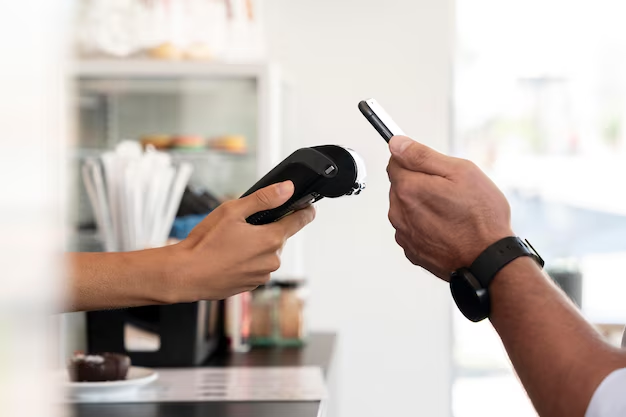
- Contactless Payment: Leverage the power of technology by using mobile wallets or NFC payments. These are generally more secure, reducing the risk of skimming.
Practical Tips for Protecting Yourself
- Regular Monitoring: Keep a close eye on your bank statements and alert your bank to any suspicious transactions.
- Use ATMs in Safe Locations: Prefer ATMs located inside bank branches or well-lit, busy areas.
- Update Your Card: If your bank offers cards with additional security features, such as EMV chips or contactless capabilities, opt for these upgrades.
Enforcing Security Measures
Bank and Consumer Alliances
Financial institutions are actively investing in anti-skimming technologies to combat the escalating threat. Newer ATMs and point-of-sale systems are designed with anti-skimming features, such as jitter technology, which makes it harder for skimmers to read card information. Here's how consumers can collaborate with their banks to enhance security:
- Report Issues Promptly: If you suspect a skimmer, alert your bank immediately so they can investigate and mitigate risks.
- Enable Security Alerts: Most banks offer mobile notifications for transactions. Sign up for these alerts to catch unauthorized activities quickly.
The Role of Law Enforcement
Law enforcement agencies play a critical role in combating skimming fraud. They typically track down skimmers through:
- Surveillance Footage: Cameras can identify suspects tampering with machines.
- Tech Forensics: Forensic analysis of skimming devices can sometimes lead to the people behind the crime.
The Future: Chip Technology and Beyond
The Rise of EMV Chips
EMV chips have introduced a safer way to conduct transactions. Unlike magnetic stripes, which can be easily cloned, EMV technology encrypts card information, making data breaches significantly more difficult. In places where EMV adoption is high, instances of skimming are noticeably lower.
Moving Towards Contactless Payments
Thanks to the advent of contactless technology, consumers can now benefit from secure and quick transactions. By utilizing options like Apple Pay, Google Wallet, or contactless card taps, exposure to skimming risk is reduced significantly as these technologies often require biometric verifications.
Smart Cards and Blockchain
In looking toward the future, there are discussions about integrating blockchain technology with smart cards to enhance security. Blockchain's decentralized nature could provide an innovative framework for securing financial transactions against unauthorized access and tampering.
Summary of Key Takeaways
Here’s a concise summary packed with practical tips and insights. Use these visual points as a quick reference:
- 🕵️♂️ Be observant: Pay close attention to card readers at ATMs and gas pumps.
- 🔒 Cover the keypad: Always shield your PIN entry.
- 📲 Embrace tech: Use NFC and mobile payments to avoid skimmers.
- 📈 Monitor activities: Regularly review bank statements for any irregularities.
- 🔗 Stay linked: Enable transaction alerts and notifications through your bank for real-time security.
As technology evolves, both the methods of skimming and the means to combat it are sure to change. Remaining informed and vigilant is the most effective shield against the invisible threat of credit card skimmers. Protecting yourself requires an unceasing mix of awareness, updating payment methods, and vigilance. By staying proactive and informed, you can minimize your risk and secure your financial future against this modern-day menace.
Discover More
- a Credit Card
- Am Eagle Credit Card
- Are Airline Credit Cards Worth It
- Are Credit Card Points Taxable
- Are Credit Card Rewards Taxable
- Can a Credit Card Company Sue You
- Can a Debit Card Be Used As a Credit Card
- Can a Money Order Be Paid With a Credit Card
- Can a Secured Credit Card Build Credit
- Can Credit Card Companies Garnish Your Wages