Understanding Credit Card Dimensions: What You Need to Know
In today's fast-paced, digital-centric world, credit cards have become an essential piece of everyday life. From daily purchases to big-ticket expenditures, they offer a convenient and secure payment option. Yet, despite their ubiquity, many people may not stop to think about the seemingly trivial size of these little financial tools. Could that tiny, often overlooked detail matter? Indeed, it could! Understanding the standard size of a credit card not only helps in practical scenarios but also provides insights into its global usability. Let's delve into this topic to unravel the specifics, including why the dimensions matter and what this reveals about the broader world of credit cards.
The Standard dimensions of a Credit Card
When we talk about a credit card's size, we typically refer to a standardized set of dimensions. The International Organization for Standardization (ISO) specifies these measurements under the norm called ISO/IEC 7810:ID-1. This standard dictates that a credit card measures 85.60 x 53.98 mm, roughly equivalent to 3.37 x 2.13 inches. These specifications ensure that credit cards are recognized and function uniformly across the globe, whether you’re using an ATM, making a purchase online, or swiping at a local store.
Why the Size Matters
The uniformity of credit card size supports various aspects:
- Global Compatibility: Since credit cards are used internationally, having a standard size ensures compatibility across different countries and regions. This includes their ability to fit into ATMs, card readers, and wallets.
- Ease of Handling: From sliding it into card slots at checkout counters to storage in wallets, the standardized size makes handling easy and convenient.
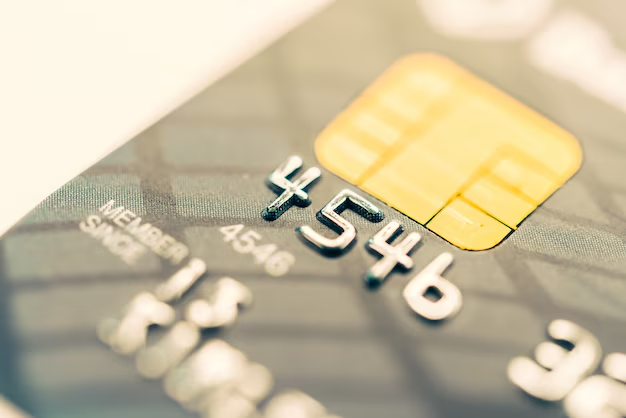
- Security Features: The dimensions also accommodate various essential security features like EMV chips and magnetic strips, crucial elements that help prevent fraud and secure transactions.
How Does This Compare with Other Card Types?
Many cards that we use regularly, such as driver's licenses and membership cards, often share the same dimensions. This consistency facilitates easy storage and management, reducing the need for separate compartments based on card size.
Credit, Debit, and Beyond
While a standard credit card size is undeniably useful, it is equally important when it comes to other payment cards, like debit cards and prepaid cards, typically conforming to the same dimensions. This universality simplifies design for wallets and card holders while ensuring that automated payment machines can universally accept any card.
Different Countries, Same Standards
Across the globe, whether you’re in New York, Tokyo, or Berlin, the credit card dimensions remain consistent. Such global standardization ensures seamless financial transactions and card acceptance irrespective of where you are.
More Than Just Plastic: Innovations in Credit Card Design
Technology does not remain static, and neither does the credit card industry. Today, innovations are abundant, from materials to embedded tech.
Innovations in Material
Traditionally made from plastic, modern credit cards are now seeing a shift towards premium materials. Metal credit cards are increasingly popular, offering durability alongside a sense of prestige. However, while these premium options may feel different, they remain the same size to ensure compatibility.
Embedded Technology: Contactless Cards
An exciting evolution in credit card technology is the advent of contactless payment systems. These allow users to tap their card against point-of-sale terminals without the need to slide or insert the card. Despite the advanced tech on board, these cards adhere to the same size standards to ensure they fit existing payment infrastructure globally.
Practical Considerations for Credit Card Users
Given the standardized dimensions, how can consumers leverage this knowledge for practical benefits?
Selecting the Right Wallet or Holder
When choosing a wallet or cardholder, understanding credit card dimensions ensures you find the right fit without compromising on style or functionality. Most wallet designers consider these factors, so it should be straightforward to locate products verifying they accommodate cards of standard size.
Ensuring Card Safety
Beyond physical dimensions, consumers must focus on securing their credit cards from theft and unauthorized use. Cards today incorporate security features like EMV chips, while RFID-blocking wallets provide an additional layer of protection against electronic theft.
Minimalist Wallet Movement
The established size standards make it easier to opt for slim, minimalist wallets. These cater to people who prefer traveling light without sacrificing access to multiple cards or essential documents.
A Quick Summary of Key Points
Here's a small summary table to highlight critical takeaways and practical tips for travelers and cardholders alike:
| 📋 Key Points | 💡 Practical Tips |
|---|---|
| Standard Size: 85.60 x 53.98 mm | Ensure wallets or holders cater to this universally accepted size. |
| Importance of Global Standardization | Facilitates international travel and transactions. |
| Material Innovation: Metal Options | Consider the material for endurance and style without losing utility or compatibility. |
| Contactless Technology | Utilize contactless cards for quicker payments, ensuring the terminal accepts contactless format. |
| Security Measures | Use RFID-blocking tech to protect card information from unauthorized access. |
Reflecting on the Role of Credit Cards
Standardization in the credit card industry represents more than just consistency; it manifests the ease of global commerce. Understanding credit card dimensions brings to light the intricate dance between convenience and security that these small pieces of plastic or metal manage.
Credit cards symbolize progress, ease, and adaptability in a changing world. While the physical dimensions might seem trivial, they symbolize a larger commitment to consistency, security, and user-friendliness, helping millions manage their finances efficiently. So next time you pull out a credit card to swipe or tap, take a moment to appreciate the care and precision that went into making this ubiquitous financial tool just the right size.
Discover More
- a Credit Card
- Am Eagle Credit Card
- Are Airline Credit Cards Worth It
- Are Credit Card Points Taxable
- Are Credit Card Rewards Taxable
- Can a Credit Card Company Sue You
- Can a Debit Card Be Used As a Credit Card
- Can a Money Order Be Paid With a Credit Card
- Can a Secured Credit Card Build Credit
- Can Credit Card Companies Garnish Your Wages