Navigating Your FAFSA 2024-25: What You Need to Know About Tax Returns
When it comes to applying for federal student aid through the Free Application for Federal Student Aid (FAFSA), knowing which tax return to use can be a significant hurdle for students and their families. The FAFSA, a vital tool for securing financial aid for college, asks for specific financial information from tax returns. For the 2024-25 academic year, getting your tax information right is crucial to avoid delays or errors in your application. In this guide, we'll cover everything you need to know about tax returns for FAFSA 2024-25.
Understanding the FAFSA and Its Importance
FAFSA is not just a form—it's potentially the gateway to funding your education. Filling it out accurately and on time can unlock federal loans, grants, and work-study opportunities. Many states and colleges also use FAFSA data to award their own aid. Thus, understanding the nuances of how your tax data influences your FAFSA is essential.
Which Tax Return Year Applies to FAFSA 2024-25?
For the 2024-25 FAFSA, you'll need to provide information from the 2022 tax year. This might seem like a throwback, given we will be in 2024, but this approach allows families to fill out the FAFSA using a completed tax return. This method is known as “prior-prior year” (PPY) tax data and provides several advantages:
- Completed Documentation: Since you're using tax information that's complete, there's no need to rush filing taxes early or estimating income.
- Verification and Accuracy: The use of final tax documents ensures more accurate FAFSA submissions, reducing the back-and-forth in verification processes.
How to Locate and Prepare Your Tax Documents
Preparing your FAFSA involves more than just digging up old tax returns. You need to ensure that you’re fully organized so you can input accurate information. Here's how:
Gathering Required Documents
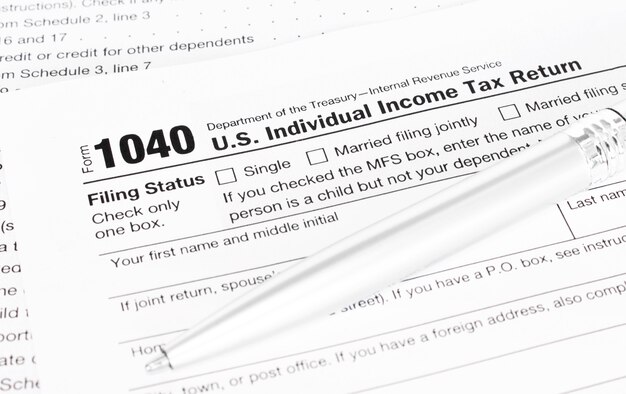
- Your 2022 Federal Income Tax Return: For most individuals, this will be the IRS 1040 form.
- W-2 Forms and Other Records of Money Earned: Have these on hand for accurate reporting of untaxed income.
- Current Bank Statements: Helpful for reporting your current financial standing as required.
- Records of Investments and Assets: Unlike general savings, certain investment assets must be reported.
Using the IRS Data Retrieval Tool (DRT)
One significant advantage is using the IRS Data Retrieval Tool (DRT). This tool allows you to transfer your tax information directly from the IRS into your FAFSA form. It greatly minimizes errors and speeds up the application process. The steps are simple:
- Log in to your FAFSA form.
- Follow the prompts to access the IRS Data Retrieval Tool.
- Confirm your identity and transfer your tax information directly.
Note: The DRT won't display your tax information due to privacy but will confirm the data transfer was successful.
Stress-Free FAFSA Submission: Helpful Tips
Applying for FAFSA can be overwhelming, but it doesn’t have to be. Here are some streamlined strategies to simplify the process:
Start Early
Even though you use prior-prior year tax data, submitting your FAFSA early is crucial. While federal deadlines extend to June 30, 2025, many states and institutions have earlier deadlines for aid consideration.
Double-Check Entry Errors
Small mistakes can cause significant delays. Ensure names, Social Security Numbers, and financial figures are accurate to prevent any administrative hiccups.
Understand Dependency Status
Your dependency status could affect required information. Whether you're dependent or independent determines whose financial data you'll include. Generally, dependent students need to provide parental information, while independent students do not.
Stay Informed on State- and College-Specific Requirements
Familiarize yourself with any additional forms and deadlines specific to the colleges or states you are applying to. Many states and institutions offer aid awarded on a first-come, first-served basis.
What To Do If Your Financial Situation Has Changed
Sometimes, the financial situation reflected in your 2022 tax returns may not accurately represent your current status. Job changes, family circumstances, or other factors can alter your financial landscape significantly:
- Contact Your School’s Financial Aid Office: They can guide you on how to report changes in your financial situation.
- Submit a Special Circumstances Form: This form allows you to clarify your situation beyond what is detailed in the FAFSA.
Key Takeaways for a Successful FAFSA 2024-25 Application
📝 Checklist Summary for a Smooth FAFSA Completion:
- Use 2022 Tax Information: Ensure the timely retrieval of necessary tax documents.
- Leverage the IRS DRT: Utilize the tool for easy and error-free data transfer.
- Be Aware of Deadlines: Early submission increases your chances of aid.
- Prepare for Additional Steps: Special circumstances can be addressed directly with your institution.
By coordinating these efforts and utilizing available resources, you can ensure that your FAFSA application process is as straightforward and stress-free as possible.
Final Steps: After Completing FAFSA
After submission, your job isn't quite finished. Keeping up with the process is vital:
- Monitor Your FAFSA Status: Log back into your FAFSA account and verify that it has been processed.
- Review Your Student Aid Report (SAR): This report summarizes the FAFSA data and will be available a few days after submission.
- Respond to Any Verification Requests Promptly: Schools might request additional paperwork; ensure you respond quickly to maintain aid eligibility.
Navigating the FAFSA process may initially seem daunting, but with these strategies, tax return knowledge, and timely submissions, you’re well on your way to securing the financial aid you need for your educational journey. Remember, your FAFSA is not just a financial form—it's your pathway to potential opportunities and educational funding pivotal to your future.
Discover More
- Are International Students Eligible For Fafsa
- Can An International Student Apply For Fafsa
- Can Fafsa Be Used For Trade School
- Can Fafsa Check Your Bank Account
- Can Fafsa Cover Housing
- Can Graduate Students Apply For Fafsa
- Can I Add Another Contributor To Fafsa
- Can I Apply For Excelsior Scholarship Through Fafsa
- Can I Change My Fafsa Account To Parent
- Can I Delete a Fafsa Account