How Often Should You Change Your Furnace Filter? A Comprehensive Guide
Caring for your home means looking after all its moving parts. One often-overlooked yet crucial component in maintaining a safe and efficient living environment is the furnace filter. If you've ever wondered, "How often should I change my furnace filter?" you're not alone. Navigating the world of home maintenance can be perplexing, but ensuring clean and efficient airflow in your home is a prime concern. This guide will explore the ins and outs of furnace filters, taking you through the reasons behind changing them, how often this should be done, and the practical steps to handle it all.
Understanding Furnace Filters: The Basics
What Is a Furnace Filter?
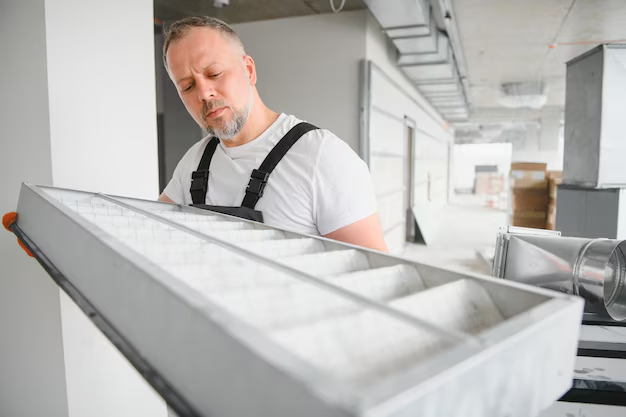
The furnace filter, a simple yet vital part of your home's heating and cooling system, serves the primary purpose of trapping dust, allergens, and other airborne particles. This not only ensures cleaner air in your living spaces but also protects the furnace's components from accumulating dirt and debris.
Types of Furnace Filters
Fiberglass Filters: These are affordable and common, generally offering basic protection against larger particles.
Pleated Filters: Often made from polyester or cotton, these filters enhance particulate capture, improving air quality.
Electrostatic Filters: Designed with self-charging fibers, these filters affix particles via static, making them a highly efficient choice.
HEPA Filters: When absolute air purity is required, high-efficiency particulate air (HEPA) filters can trap nearly 100% of particles.
How Often Should You Change Your Furnace Filter?
General Guidelines
While the frequency of changing your furnace filter can depend on several factors, a general recommendation is to change it every 90 days. However, this is not a one-size-fits-all rule.
Factors That Influence Change Frequency
Type of Filter: Each type has a different lifespan. For example, fiberglass filters might require replacements every 30 days, whereas high-efficiency options could last 3-6 months.
Home Conditions: If you live in a dust-prone area, experience high pollen seasons, or reside near construction sites, more frequent changes will be needed.
Household Occupants: Larger households, especially those with pets, may need more frequent changes due to increased hair and dander.
Allergy Concerns: For allergy sufferers, changing the filter every 30 to 45 days can help mitigate symptoms.
Special Considerations for Home Setup
Vacation Homes: These typically require less frequent filter changes, only when heating or cooling systems are in use.
Smart Thermostat Feedback: Some modern thermostats notify when it's time to change the filter based on air quality monitoring.
Step-by-Step Guide to Changing Your Furnace Filter
Gather Your Tools
Before starting, ensure you have:
- The correct replacement filter.
- A screwdriver (if necessary to open the filter compartment).
- A vacuum (optional, for cleaning around the filter area).
Replacing the Filter
Turn Off the Furnace: For safety, always power down before working on the unit.
Find the Filter Compartment: Typically located in the return air duct or near the blower.
Remove the Old Filter: Slide it out carefully to avoid releasing trapped dust.
Vacuum the Compartment (If Dirty): This step isn't necessary every time but can help maintain system cleanliness.
Install the New Filter: Ensure it is installed in the correct orientation, following arrows that indicate airflow direction.
Reset the Furnace: Turn the power back on, and you're set!
Benefits of Regular Filter Changes
Safeguard Efficiency and Longevity
Improves Air Quality: Reduces dust and airborne particles, promoting a healthier living environment.
Enhances HVAC Efficiency: A clean filter supports optimal airflow, ensuring your HVAC system operates effectively and extends its lifespan.
Lowers Energy Costs: An efficient furnace isn't just about comfort—it can also lower utility bills by using less energy.
Preventative Health Measures
Reduce Allergens: Regular changes help keep pollen, dust mites, and other allergens in check, beneficial for those with respiratory concerns.
Minimize Malodors: Clean filters help eliminate smells from cooking, smoking, or pets by circulating fresh air.
Visual Summary: Quick Furnace Filter Tips 🔍
- Change Frequency: 📅 Every 90 days, adjust based on filter type and household factors.
- Special Considerations: 🐶 More frequent changes for homes with pets and allergies.
- Benefits: 💡 Improved air quality, energy efficiency, reduced allergens.
- Steps to Replace: 🛠️ Turn off the furnace, locate and replace the filter, turn power back on.
Troubleshooting Common Filter Issues
Signs Your Filter Needs Changing
Dust Buildup: Excess dust in the home often signals a clogged filter.
Increased Energy Bills: A sudden spike can indicate reduced HVAC efficiency due to a dirty filter.
Heater/AC Not Functioning Properly: If airflow seems restricted, the filter may be preventing optimum performance.
Avoiding Common Mistakes
Forgetting to Change Filters: Set reminders or use a thermostat with alerts.
Installing Incorrectly: Always follow the arrows for airflow direction to avoid performance issues.
Using Low-Quality Filters: While tempting due to cost, these can compromise air quality and system efficiency.
Final Thoughts on Furnace Filter Maintenance
Regular maintenance of your furnace filter isn't just a chore—it's an investment in your home's environment and your family's health. By understanding the unique needs of your household and staying proactive about filter changes, you can ensure optimum air quality and system longevity. Remember, when in doubt about the specific needs of your HVAC system, consulting an expert can offer guidance tailored to your situation.
In essence, keeping your furnace filter clean is akin to keeping the lungs of your home healthy. Through these steps and guidelines, you're well on your way to fostering a more efficient and healthier living space.
Related Topics
- How Can I Change Text Message To Imessage
- How Can You Change a Jpeg To a Pdf
- How Do I Change a Jpeg To a Pdf
- How Do I Change a Pdf To a Jpg
- How Do I Change a Pdf To a Word Document
- How Do I Change a Repeating Decimal To a Fraction
- How Do I Change a Text Message To An Imessage
- How Do I Change From Text To Imessage
- How Do I Change Lowercase To Uppercase In Word
- How Do I Change My Political Party To Independent
