Understanding Oil Changes: How Often Should You Change Your Car's Oil?
Keeping your car's engine running smoothly is crucial for its longevity and performance. One pivotal aspect of vehicle maintenance is understanding when and how often to change your car's oil. This can vary depending on several factors, but neglecting this maintenance step could lead to serious engine problems. Let's dive into the details of oil changes, and explore the ideal schedule for maintaining your vehicle.
Why is Oil Important?
Oil acts as the lifeblood of your car's engine. It performs several crucial functions:
- Lubricates moving parts, reducing friction.
- Helps to cool the engine by dissipating heat.
- Traps and holds dirt, debris, and combustion by-products, preventing them from causing damage.
- Forms a protective layer on engine parts to prevent corrosion.
Without regular oil changes, oil can break down over time, becoming less effective at these tasks. This can lead to increased wear and tear on engine parts, overheating, and potentially catastrophic engine failure.
Factors Influencing Oil Change Frequency
1. Manufacturer's Recommendations
Automakers provide a recommended oil change interval that considers the engine design and expected driving conditions. These recommendations are found in the vehicle's owner's manual and serve as a reliable first point of reference.
2. Driving Conditions
Regular vs. Severe Conditions:
- Regular Conditions: Include normal driving patterns with steady speeds, minimal idling, and limited stop-and-go traffic.
- Severe Conditions: Include frequent short trips, towing, prolonged idling, extreme temperatures, and dusty environments.
Driving under severe conditions can necessitate more frequent oil changes, as the engine may experience more stress and contamination.
3. Type of Oil Used
- Conventional Oil: Typically needs changing more frequently.
- Synthetic Oil: Offers better protection and can often last longer between changes.
- Synthetic Blend Oil: A mix of conventional and synthetic oils, offering a middle ground.
Synthetic oils typically provide superior performance and longevity, reducing the need for frequent oil changes.
4. Vehicle Age
Older engines may burn more oil or become less efficient at filtering out contaminants. Therefore, they might require more frequent changes to maintain their performance.
How to Determine Your Oil Change Interval
Consult Your Owner's Manual
Your owner's manual is the best source for understanding oil change intervals. Follow the manufacturer's guidelines to avoid premature engine wear and maintain your vehicle's warranty.
Monitor Oil Life Indicators
Modern cars are often equipped with oil life monitors that track oil condition based on various sensors and driving conditions. Pay attention to these indicators and act accordingly.
Regular Inspections
Conducting monthly oil level checks can give you an insight into how quickly your car consumes oil. This will also help you identify any potential leaks or issues early on.
Consider Professional Oil Analysis
For those interested in a bit more detail, professional oil analysis can provide insight into the specific condition of your engine oil, identifying contaminants or chemical breakdown.
Practical Tips for Effective Oil Maintenance
🛠️ Quick Tips
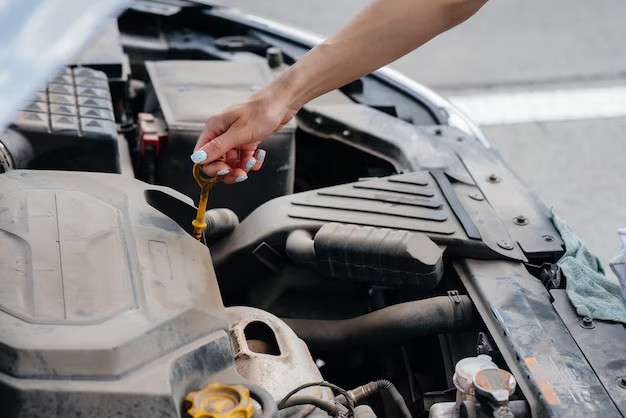
- Check Oil Levels: Use the dipstick to check oil levels every few weeks.
- Change Filter: Always replace the oil filter during an oil change to ensure contaminants are effectively captured.
- Follow Alerts: Pay attention to dashboard alerts or oil life indicators.
⚠️ Warning Signs for Oil Changes
- Illuminated Oil Change Light: Usually suggests the oil level is low or the oil is degraded.
- Dark, Dirty Oil: Over time, oil becomes darker due to contaminants. Check using a paper towel or cloth.
- Engine Noise: Increased clatter or knocking may signify insufficient lubrication.
Comparing Different Types of Oil
Here's a comparative look at common oil types:
| Oil Type | Pros | Cons |
|---|---|---|
| Conventional | Affordable, widely available | Shorter lifespan, less effective in extreme conditions |
| Synthetic | Longer lifespan, better in extreme conditions | More expensive |
| Synthetic Blend | Balanced performance, cost-efficient | Middle-ground performance |
Debating the 3,000-Mile Myth
For decades, many have adhered to a 3,000-mile rule for oil changes. However, advancements in oil technology and engine design mean this is often unnecessary today. Many manufacturers now suggest intervals between 5,000 to 10,000 miles, depending on driving conditions and oil type.
Cost vs. Neglect: The True Price of Delaying Oil Changes
While delaying an oil change might save money in the short term, it can cost more in repairs and decreased efficiency over time. Preventative maintenance is key to prolonging the life of your vehicle and avoiding more expensive repairs.
🚗 Practical Cost Considerations
- Regular Maintenance: Generally involves predictable, budget-friendly costs.
- Delayed Maintenance: Can lead to unexpected, costly repairs due to engine damage.
The Environmental Impact of Oil Changes
Regularly changing your car's oil is not just about maintaining your vehicle—it's also about responsible environmental stewardship. Used oil can be hazardous if not disposed of correctly. Many auto shops have recycling programs, or check local guidelines for environmentally friendly disposal options.
🌍 Eco-friendly Tips
- Recycle Used Oil: Ensure it's disposed of correctly to minimize environmental harm.
- Choose Eco-friendly Products: Consider oils labeled as eco-friendly, which often have lower environmental impacts.
Final Thoughts: Empower Your Car Care
Understanding how often to change your car's oil is crucial for maintaining your vehicle's health, safety, and performance. By considering the above factors, using quality products, and staying informed, you can ensure that your engine continues to run smoothly — extending the life of your car and ensuring a reliable driving experience. Regular maintenance is key to avoiding costly repairs and ensuring a smoother ride. Stay proactive, informed, and your car will thank you with peak performance. 🛣️
Discover More
- How Can I Change Text Message To Imessage
- How Can You Change a Jpeg To a Pdf
- How Does Deforestation Contribute To Climate Change
- How Do I Change a Jpeg To a Pdf
- How Do I Change a Pdf To a Jpg
- How Do I Change a Pdf To a Word Document
- How Do I Change a Repeating Decimal To a Fraction
- How Do I Change a Text Message To An Imessage
- How Do I Change From Text To Imessage
- How Do I Change Lowercase To Uppercase In Word