The Definitive Guide to Knowing How Often You Should Change Your Car's Oil
Keeping your car running smoothly is a top priority for any vehicle owner. One essential task that contributes significantly to your car's longevity and performance is changing its oil regularly. But how often should you change the oil? The answer isn’t as straightforward as one might think. In this comprehensive guide, we'll delve into everything you need to know about oil changes, from understanding your vehicle's needs to recognizing the signs that it's time for an oil change.
🏁 Importance of Regular Oil Changes
The engine of a car relies heavily on oil to function effectively. As a crucial component, oil lubricates the engine's internal parts, reducing friction and wear. It also helps in cooling the engine, preventing overheating by dissipating heat. Additionally, oil keeps the engine clean by preventing dirt and debris from accumulating.
Neglecting regular oil changes can lead to the oil becoming dirty and less effective, potentially causing significant engine damage. This could result in costly repairs or even engine failure. Thus, keeping up with oil changes is not just good practice—it's essential maintenance.
📆 Understanding Recommended Oil Change Intervals
Manufacturer Guidelines
Car manufacturers provide specific recommendations on oil change intervals in the owner's manual. These guidelines are based on extensive testing of the vehicle’s engine. It's crucial to refer to these manuals to ensure you're following the recommended intervals suited for your specific vehicle model.
Standard Intervals
Traditionally, the 3,000-mile rule was the golden standard. However, with advancements in engine technology and oil formulation, many modern vehicles can go 5,000 to 7,500 miles between oil changes. Some high-performance synthetic oils even allow for intervals of up to 15,000 miles.
Driving Conditions
Your driving habits and conditions play a substantial role in determining how often you should change your oil. Here are some scenarios to consider:
- City Driving: Frequent short trips can prevent oil from heating up enough to burn off moisture, increasing contamination.
- Highway Driving: Long, steady drives can be easier on oil, potentially extending the interval.
- Extreme Conditions: Operating in very hot, cold, or dusty environments can degrade oil quicker.
🚗 Factors Influencing Oil Change Frequency
Oil Type
The type of oil used in your car significantly impacts the oil change frequency. There are three main types:
- Conventional Oil: Ideal for simple engine designs and short mileage intervals.
- Synthetic Oil: Offers better engine protection and longer change intervals, especially under severe driving conditions.
- High-Mileage Oil: Designed for vehicles with over 75,000 miles, helps reduce oil consumption and emissions.
Vehicle Age and Mileage
Older vehicles might require more frequent oil changes due to wear and tear, while newer models often need fewer changes, thanks to improved engineering.
⚙️ How to Check Your Oil
Regularly checking your car's oil level is a straightforward process that can help you catch potential issues early. Here’s a simple guide:
- Park on Level Ground: Ensure your vehicle is on a flat surface.
- Turn Off the Engine: Wait a few minutes after switching off the ignition to allow the oil to settle.
- Locate and Remove the Dipstick: Pull out the dipstick, clean it with a lint-free cloth, then reinsert it fully.
- Check the Oil Level: Pull out the dipstick again and check where the oil line is in relation to the marked indicators. The oil should be between the minimum and maximum markers.
- Examine Oil Quality: Oil should be a translucent brown. If it's dark and gritty, it’s time for a change.
🔄 Signs That Your Car’s Oil Needs Changing
Even with regular checks, it’s essential to recognize the signs that your oil may need changing sooner than expected:
- Unusual Engine Noise: Increased friction can cause knocking or rumbling sounds.
- Oil Smell Inside the Car: This indicates overheating or a leak.
- Exhaust Smoke: More than typical emissions can signal burning oil.
- Check Engine Light: This can mean many things, but combined with other symptoms, may relate to oil issues.
🛠️ DIY Oil Change: Step-by-Step Guide
While having a professional handle your oil change is convenient, some car owners prefer the DIY approach. Here is a simplified guide:
- Gather Supplies: You'll need new oil, an oil filter, a wrench, an oil pan, and a funnel.
- Secure the Car: Use ramps or jacks to elevate your vehicle, ensuring stability with wheel chocks.
- Drain the Old Oil: Locate the oil drain plug under your car and place the oil pan beneath it. Unscrew the plug with a wrench and allow the oil to fully drain.
- Remove the Old Filter: Use an oil filter wrench to loosen and remove it.
- Install New Filter: Lubricate the new filter's gasket with oil, then screw it into place by hand.
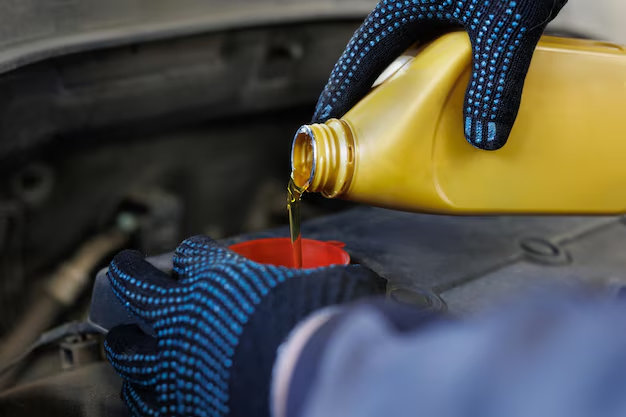
- Add New Oil: Reinsert the oil drain plug securely, then use a funnel to pour in the new oil as per your manual’s specifications.
- Check Oil Level: Use the dipstick to ensure the new oil level is correct.
📓 Summary: Key Takeaways
Here’s a concise list of essential reminders to keep your car’s oil maintenance on track:
- 📅 Follow Manufacturer Recommendations: Always start with the guidelines provided in your car’s manual.
- 🚕 Consider Driving Habits: Adjust intervals based on city vs. highway driving or severe conditions.
- 🛢️ Choose the Right Oil: Select oil that matches your vehicle’s needs—conventional, synthetic, or high-mileage.
- 🔎 Check Oil Regularly: Stay proactive by checking your oil level and quality monthly.
- ⚠️ Watch for Warning Signs: Be alert to smoke, smells, and noise indicating oil issues.
- 🔧 DIY with Caution: If changing oil yourself, ensure you have the right tools and follow safety protocols.
Understanding and maintaining your car’s oil change needs can significantly contribute to its health and longevity. Transitioning into the role of an informed car owner puts you in control of your vehicle's durability and performance, ensuring smooth rides for years to come.
Related Topics
- How Can I Change Text Message To Imessage
- How Can You Change a Jpeg To a Pdf
- How Do I Change a Jpeg To a Pdf
- How Do I Change a Pdf To a Jpg
- How Do I Change a Pdf To a Word Document
- How Do I Change a Repeating Decimal To a Fraction
- How Do I Change a Text Message To An Imessage
- How Do I Change From Text To Imessage
- How Do I Change Lowercase To Uppercase In Word
- How Do I Change My Political Party To Independent
