How Often Should You Change Your Windscreen Wipers? A Comprehensive Guide
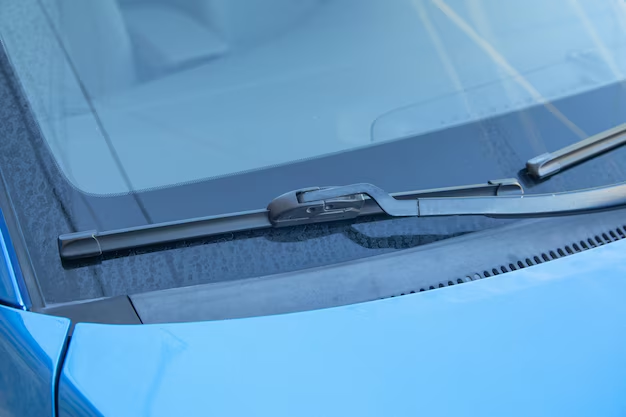
When was the last time you paid attention to your windscreen wipers? Often overshadowed by more demanding aspects of car maintenance, windscreen wipers are crucial for clear visibility and safe driving. Neglecting them can lead to decreased visibility during rain, snow, or even dust storms. So, how often should you change them, and what should you look for? Let’s dive into the details.
🚗 Importance of Regularly Changing Windscreen Wipers
Windscreen wipers are essential for maintaining visibility on the road. Over time, wipers can become worn and ineffective. Here’s why replacing them is non-negotiable:
- Safety First: Good visibility is crucial for quick decision-making on the road. Worn-out wipers can leave streaks, reducing your ability to see clearly.
- Prevent Damage: Old wipers can scratch the windscreen if the rubber has degraded, leading to costly repairs.
- Enhance Driving Comfort: Functioning wipers make driving in adverse conditions more pleasant, reducing stress and fatigue.
How Often to Replace Windscreen Wipers
There isn't a one-size-fits-all answer, but generally, most automotive experts suggest replacing your wipers every six to twelve months. Here are factors that influence this timeline:
🚘 Environmental Conditions
Living in a region with extreme weather? Your wipers might wear out more quickly due to:
- Sun Exposure: UV rays can damage the rubber blades, causing them to crack and become less effective.
- Cold Weather: Ice and snow increase the wear and tear on your wipers. Consider winter wiper blades if you’re in a cold climate.
- Dusty Environments: Sand and dust can erode the rubber, necessitating more frequent changes.
🧼 Usage Frequency
The more you use your wipers, the sooner they’ll need replacing. Frequent rainfall or morning dew requiring defogging can accelerate wear.
🔧 Quality of Wiper Blades
Not all wiper blades are created equal. Premium blades might last longer due to higher-quality materials and construction. However, it's essential to still check them regularly.
Signs It's Time to Replace Your Wipers
Identifying when to change wiper blades goes beyond the calendar. Here are clear indicators that it’s time for new ones:
- Streaking or Smearing: If your wipers leave streaks, it’s a sign they're not making full contact with the glass.
- Squeaking Sound: This unpleasant noise often indicates the rubber has hardened.
- Vibration or Jittering: If the blades skip across the windscreen rather than gliding smoothly, replacement is necessary.
- Cracked or Split Blades: Visible signs of wear mean the blades can’t clean effectively.
How to Replace Your Windscreen Wipers
Changing your windscreen wipers is a simple task that you can do yourself with a little guidance.
Step-by-Step Guide 🛠️
- Identify the Right Size: Consult your vehicle’s manual or measuring the blades to ensure you purchase the correct size.
- Lift the Wiper Arm: Gently lift the arm from the windscreen, being cautious as the springs can release suddenly.
- Remove the Old Blade: Most blades have a small clip that you press to release and slide off the arm.
- Attach the New Blade: Slide the new blade onto the wiper arm until it clicks securely into place.
- Test the New Blades: After installation, test your wipers with water to ensure they perform correctly.
Tips for Maintenance 🧽
- Regular Cleaning: Wipe down your blades with a damp cloth to remove dirt and grime.
- Protect from Sun Exposure: When possible, park in shaded areas to prolong the life of your wipers.
- Avoid Running on Dry Glass: Only use wipers on a wet windscreen to prevent wear.
Additional Subtopics to Explore
Winter Wiper Blades
If you live in a snowy or icy region, consider upgrading to winter wiper blades. These blades are designed to handle ice build-up and snow loads better than regular blades. They often come with a protective outer layer to prevent ice from clogging the blade hinges.
Understanding Different Types of Wiper Blades
Knowing the types of wiper blades can help you choose the best ones for your needs:
- Conventional: The traditional choice, usually less expensive but wear out faster.
- Beam Blades: Modern design, more effective and durable, often used for curved windscreens.
- Hybrid Blades: Combine the best of conventional and beam blades, providing good performance in all conditions.
Summary Table 🎯
Here’s a quick overview to help you keep track of essential tips and reminders:
| Key Area | Details |
|---|---|
| Change Intervals | Every 6-12 months, depending on use and conditions |
| Signs to Replace | Streaking, noise, skipping, visible wear |
| Installation Steps | Identify size, lift arm, remove old, attach new, test |
| Maintenance Tips | Clean regularly, avoid dry usage, park in shade |
| Wiper Types | Conventional, Beam, Hybrid |
| Weather Considerations | Sun, cold, dust impact longevity |
Wrapping It Up
Your windscreen wipers are a critical safety feature on your vehicle, responsible for maintaining visibility in adverse conditions. Regular inspection and timely replacement are proactive steps that ensure safety and prevent costly damage. By understanding your environment, usage, and the condition of your current wipers, you can make informed decisions about when to change them. Armed with this knowledge and a little DIY spirit, you’ll keep your journey safe and your view clear.
Related Topics
- How Can I Change Text Message To Imessage
- How Can You Change a Jpeg To a Pdf
- How Do I Change a Jpeg To a Pdf
- How Do I Change a Pdf To a Jpg
- How Do I Change a Pdf To a Word Document
- How Do I Change a Repeating Decimal To a Fraction
- How Do I Change a Text Message To An Imessage
- How Do I Change From Text To Imessage
- How Do I Change Lowercase To Uppercase In Word
- How Do I Change My Political Party To Independent
