Mastering Your Bathroom Makeover: How to Change a Bathroom Faucet Like a Pro
Nothing transforms the look and functionality of your bathroom quite like a new faucet. Whether you’re tackling a renovation project or just dealing with a leaking fixture, changing a bathroom faucet can seem like a daunting task at first. However, with the right tools and guidance, this task is not only achievable but can also be incredibly satisfying. Let's dive into this comprehensive guide on how to change a bathroom faucet, ensuring a smooth and successful replacement process.
🚿 Why Change Your Bathroom Faucet?
Changing your bathroom faucet can enhance both the aesthetic and practical aspects of your space. Over time, wear and tear can lead to leaks or decreased water flow. Upgrading your faucet can resolve these issues and offer additional benefits:
- Improved Efficiency: Newer models often incorporate water-saving technologies that can help reduce your water bill.
- Modern Aesthetic: A new faucet can provide a sleek, updated look, elevating your bathroom's design.
- Enhanced Functionality: Features like single-handle operations or touchless controls can add convenience to daily routines.
Understanding Different Types of Faucets
Before you get started, it's important to know the type of faucet you currently have, as this will influence the replacement process.
- Center-set Faucets: These are common in many bathrooms, designed for sinks with three holes, and the handles and spout are part of one unit located on 4-inch centers.
- Spread-fit Faucets: Suitable for sinks with three separate holes, allowing the handles and the spout to be installed spaced out, typically 6 to 16 inches apart.
- Single-hole Faucets: These combine spout and handle(s) in one piece and are ideal for sinks with a single hole.
- Wall-mounted Faucets: Installed on the wall above the sink and typically feature heightened style and complexity.
🛠️ Preparing for Your Faucet Replacement
Proper preparation is key to a hassle-free installation. Here’s what you need to do before starting the faucet replacement process:
Gather Your Tools and Materials
Ensure you have all the necessary tools and materials at hand before you begin. This makes the process efficient and smooth.
- Tools: Adjustable wrench, basin wrench, screwdriver, plumber's tape, and a bucket or towels for potential water spills.
- Materials: The new faucet, supply lines (if not included with the faucet), plumber’s putty or silicone sealant.
Turn Off Water Supply
It's crucial to turn off the water supply to prevent any accidental flooding or water damage. Look for the shut-off valves under the sink and twist them clockwise to close. In some cases, you might need to shut off the main water supply.
Clear the Area
Remove any personal items from under the sink, giving you clear access to necessary plumbing components. It’s a good idea to lay down a towel or use a small tub to catch any dripping water or debris.
🛁 How to Remove the Old Faucet
Now that your prep work is complete, you’re ready to remove the old faucet. Follow these steps for a successful removal.
Step 1: Disconnect Water Supply Lines
Use your adjustable wrench to disconnect the water supply lines from the faucet. Be prepared for any residual water in the lines by placing your bucket or towels underneath.
Step 2: Remove the Drain Stopper
If your faucet is connected to a drain stopper, you’ll need to detach the pivot rod from the drain tailpiece under the sink.
Step 3: Take Off the Mounting Nuts
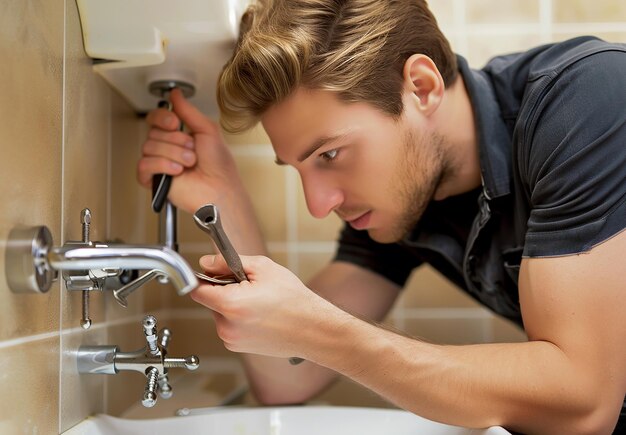
Next, use a basin wrench to remove the nuts that secure the faucet to the sink. Once the nuts are removed, you can lift the faucet off the sink surface.
Step 4: Clean the Surface
Before installing the new faucet, clean the sink surface thoroughly to remove old plumber's putty or grime, ensuring a better seal for the new fixture.
🚰 Installing the New Faucet
With your old faucet removed and the area cleaned, it’s time for the exciting part—installing your new faucet!
Step 1: Apply Plumber’s Putty or Silicone Sealant
For a watertight seal, apply plumber’s putty or a silicone sealant around the edges of the faucet base or gasket, depending on manufacturer instructions.
Step 2: Position the Faucet
Carefully position the new faucet in place through the openings on your sink. Make sure any attached hardware is aligned correctly.
Step 3: Secure the Faucet
Use a basin wrench to tighten the mounting nuts on the underside of the sink, securing the faucet firmly in place.
Step 4: Connect Water Supply Lines
Attach the water supply lines to the respective hot and cold valves. Make sure connections are secure and use plumber’s tape to prevent any future leaks.
Step 5: Install the Drain Stopper (if applicable)
Reconnect the pivot rod to the drain tailpiece if you’re integrating a drain stopper with your new faucet.
Step 6: Test the Faucet
Turn on the water supply and check your newly installed faucet for leaks around the connections. Ensure both the hot and cold water functions work properly.
🚦 Common Challenges and Troubleshooting
Even with careful preparation, challenges can arise during faucet installation. Here are some common issues and how to resolve them:
- Water Leaks: If you notice any leaks, double-check your connections and apply plumber’s tape if necessary.
- Low Water Pressure: Ensure the aerator is not clogged and check for any debris in the supply lines.
- Misalignment: Re-position the faucet and ensure it sits flat and securely against the sink surface.
💡 Summary: Tips for a Successful Faucet Change
Here’s a handy list of quick tips to reference during your faucet replacement project:
- 🔧 Gather Tools First: Ensure all necessary tools and materials are ready before beginning.
- 🚫 Turn Off Water: Always turn off the water supply to prevent accidents.
- 🧹 Clean Thoroughly: Clear the sink surface for the best new fixture seal.
- 🔄 Double-Check Connections: Verify all connections are tight and stable.
- 📋 Test Frequently: After installation, test all functions and check for leaks.
Bringing It All Together
Changing a bathroom faucet may initially appear to be a challenging task, but with thoughtful preparation and step-by-step execution, it becomes an empowering DIY project. Whether your motivation is to resolve functional issues or elevate the aesthetic of your space, following this guide will provide you with the confidence and knowledge to complete your faucet replacement seamlessly. Enjoy your newly updated bathroom and the satisfaction of a job well done!
Related Topics
- How Can I Change Text Message To Imessage
- How Can You Change a Jpeg To a Pdf
- How Do I Change a Jpeg To a Pdf
- How Do I Change a Pdf To a Jpg
- How Do I Change a Pdf To a Word Document
- How Do I Change a Repeating Decimal To a Fraction
- How Do I Change a Text Message To An Imessage
- How Do I Change From Text To Imessage
- How Do I Change Lowercase To Uppercase In Word
- How Do I Change My Political Party To Independent
