Mastering the Art of Changing a Car Tire: A Step-by-Step Guide for Every Driver 🚗🔧
When you find yourself on the side of the road with a flat tire, knowing how to change a car tire can save your day—and your sanity. Whether you’re a seasoned driver or a new car owner, mastering this essential skill is equally important for everyone. In this guide, we’ll walk you through how to confidently and safely change a tire, along with tips on maintaining your tires and dealing with roadside emergencies.
📍 Why Every Driver Should Know How to Change a Tire
Changing a tire is one of those skills you hope you never need but are grateful to have when the situation arises. There are several compelling reasons why knowing this could be a game-changer for you:
- Self-Sufficiency: Being able to solve small car problems on your own gives you independence and boosts confidence on the road.
- Safety: Getting your car moving quickly again reduces the time spent stranded on the roadside, which can be risky.
- Cost-Effective: Avoiding towing services saves money, as DIY fixes are often free or minimal in cost.
Learning to change a tire prepares you for an inevitable situation every driver faces sooner or later.
🛠️ Gather Your Essentials: The Tire Change Toolkit
Before hitting the road, ensure you have these essential tools on board:
- Spare Tire: Make sure it is fully inflated and in good condition.
- Jack: Used to lift your vehicle off the ground.
- Lug Wrench: To remove the lug nuts from the tire.
- Wheel Wedges: Prevents the car from rolling while you change the tire.
- Owner’s Manual: Provides specific instructions related to your vehicle.
- Flashlight: Essential for nighttime or low-visibility conditions.
- Gloves and Reflective Vest: For safety and hygiene.
- Flat Surface: Look for a firm and even surface for stability.
Pro Tip 🌟
Regularly check your spare tire and tools to ensure they are in optimal condition.
🚦 Preparing Your Vehicle and Yourself
Before you begin, ensure your safety by following these precautionary steps:
- Pull Over Safely: Find a straight stretch of road with ample space and minimal traffic.
- Activate Hazard Lights: Make your vehicle visible to other drivers.
- Apply Parking Brake: Ensure your car is stationary.
- Position Wheel Wedges: These go opposite the flat tire—front of the tires if you are changing a rear tire, and vice versa.
- Gear or Park Mode: Always make sure the car is in park or gear mode for manual transmissions.
🔧 Step-by-Step Guide to Changing a Tire
Step 1: Loosen the Lug Nuts
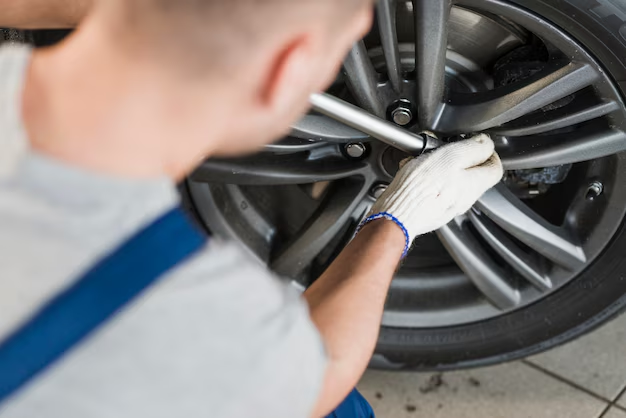
Using the lug wrench, turn the lug nuts counterclockwise. Don’t remove them entirely yet—just break the tension. This is often easiest while the tire is still on the ground to prevent it from spinning.
Step 2: Raise the Vehicle
Position the jack under the jacking point, usually located under the chassis near the tire you are changing. Lift the car until the tire is about six inches off the ground.
Step 3: Remove the Lug Nuts and Tire
Now, fully unscrew and remove the lug nuts. Keep them safe, as you will need them to secure the spare tire. Carefully remove the flat tire and set it aside.
Step 4: Mount the Spare Tire
Align the spare tire with the lug shafts. Be sure the air valve is facing out. Place the lug nuts on by hand, tightening them as much as possible.
Step 5: Lower the Vehicle and Tighten the Lug Nuts
Gently lower the car until the tire just makes contact with the ground, allowing enough resistance to tighten the nuts completely. Use a crisscross pattern to ensure even tightening. This prevents the wheel from wobbling during travel.
Step 6: Fully Lower the Vehicle
Once the lug nuts are secure, lower the car completely and remove the jack. Give each lug nut one final tightening check.
Step 7: Stow Your Equipment
Put the removed flat tire, jack, wrench, and other equipment back where they belong. Make sure your car is tidy and ready for future use.
📝 Tire Maintenance Tips to Extend Your Tire’s Life
Regular tire maintenance not only extends tire life but also enhances overall vehicle safety and performance. Here’s what you need to monitor:
- Tire Pressure: Check monthly; ensure your tires are inflated to manufacturer specifications. Under-inflated tires cause increased wear and fuel consumption.
- Tire Rotation: Rotate tires every 5,000 to 7,500 miles to ensure even tread wear.
- Alignment and Balancing: Check alignment regularly. Misalignment can cause uneven tire wear and vehicle pulling.
- Tread Check: Use the penny test—insert a penny into the tread with Lincoln's head down. If you see all of Lincoln’s head, it’s time for new tires.
Regular checks and maintaining your tires ensure safety and longevity and can prevent the inconvenience of a flat.
🛡️ What If You Don’t Have a Spare?
In modern vehicles, it is not uncommon to have a tire repair kit or tire inflation device instead of a spare. Here are some scenarios and how to handle them:
- Tire Repair Kit: Follow the instructions in your vehicle’s manual. Kits generally include sealant and a compressor that temporarily patches up small leaks.
- Run-Flat Tires: These can drive a short distance even when punctured. Check your car manual for specific guidance on speed and distance limitations.
- Roadside Assistance: In the event that you lack the tools or expertise, contact a professional to assist.
🚨 Emergency Situations: When Safety Comes First
The approach to changing a tire changes in adverse conditions such as heavy traffic, poor weather, or on uneven terrain. Safety should always be your primary concern:
- Highway or Heavy Traffic: Prioritize moving your car to a safe location. If unable to do so, stay inside the vehicle with seatbelts on and call for professional help.
- Nighttime or Poor Weather: Use reflective signs and keep your hazard lights on. Visibility is crucial for your safety.
- Unfavorable Terrain: Avoid changing tires on slopes or soft ground. In such situations, it’s best to contact roadside assistance.
Safety is paramount, and knowing when to take action or call for help is part of being a responsible driver.
📌 Quick Reference Guide
Here’s a handy checklist to keep you grounded during a tire change:
- 🔄 Pull Over & Safety Measures: Find a safe, well-lit location and use hazard lights.
- 🔧 Tool Set-Up: Ensure you have all necessary tools and safety equipment.
- ♻️ Step-by-Step Process: Loosen nuts, jack up the car, replace the tire, and secure the nuts.
- ✔️ Post-Change Check: Double-check tightened nuts and clean-up.
- 🛠️ Maintenance & Preparedness: Regularly check spare tire conditions and tool availability.
Wrapping Up: Confidence, Safety, and Preparedness
Knowing how to change a car tire empowers you to address inconveniences efficiently and safely without unnecessary stress. A few moments of preparation can save hours and headaches on the road. Remember, any journey begins not just with a vehicle but with readiness to handle what the road throws your way, with assurance and skill. Stay safe, prepared, and enjoy peace of mind with every trip you take. Safe driving! 🚗✨
Related Topics
- How Can I Change Text Message To Imessage
- How Can You Change a Jpeg To a Pdf
- How Do I Change a Jpeg To a Pdf
- How Do I Change a Pdf To a Jpg
- How Do I Change a Pdf To a Word Document
- How Do I Change a Repeating Decimal To a Fraction
- How Do I Change a Text Message To An Imessage
- How Do I Change From Text To Imessage
- How Do I Change Lowercase To Uppercase In Word
- How Do I Change My Political Party To Independent
