Mastering the Art of Diaper Changing: A Complete Guide for New Parents
If you're a first-time parent or caretaker, changing a diaper might feel like a daunting task. But worry not, diaper changing is a skill that can be quickly mastered with a little bit of practice and patience. In this comprehensive guide, we'll walk you through the process of changing a diaper with ease, provide tips to make the experience smoother, and address common concerns new parents often face. By the end of this article, you'll not only feel more comfortable with diaper changes but also become adept at handling those inevitable messes.
Understanding the Diaper Changing Essentials
Before diving into the step-by-step process, let's first explore the essential items you'll need for a successful diaper change.
🧺 Gathering Your Supplies
- Diapers: Choose between disposable and cloth diapers based on your preference and convenience. Both have their advantages.
- Wipes: Alcohol-free, fragrance-free wipes are recommended to keep your baby’s skin soft and irritation-free.
- Changing Pad: Provides a clean and comfortable surface for changing.
- Diaper Rash Cream: Prevents and treats diaper rash, keeping your baby's skin healthy.
- Hand Sanitizer: Good to keep handy for quick cleanup after changing.
- Disposable Bag: Use for disposing of soiled diapers conveniently.
Having these items organized in a dedicated diaper-changing station can make this daily task more manageable and efficient.
Setting the Stage: Preparing for a Diaper Change
Preparation is key to a smooth diaper change. With the right setup, you minimize the hassle of searching for items midway through the task.
📍 Finding the Right Spot
Choose a convenient location such as a changing table, a bed, or a clean surface on the floor. Always ensure the area is safe and that everything you need is within arm's reach to avoid leaving the baby unattended.
🕰️ Timing is Everything
Changing a diaper promptly after it's soiled is important to maintain good hygiene and prevent diaper rash. Be observant for signs that your baby might need a change, such as fussiness, a visible bulge in the diaper, or an unpleasant odor.
Step-by-Step: How to Change a Diaper
With your supplies ready, let's dive into the diaper-changing process.
Step 1: Safety First!
Never leave your baby unattended on an elevated surface. Keep one hand on your baby at all times during the change.
Step 2: Remove the Dirty Diaper
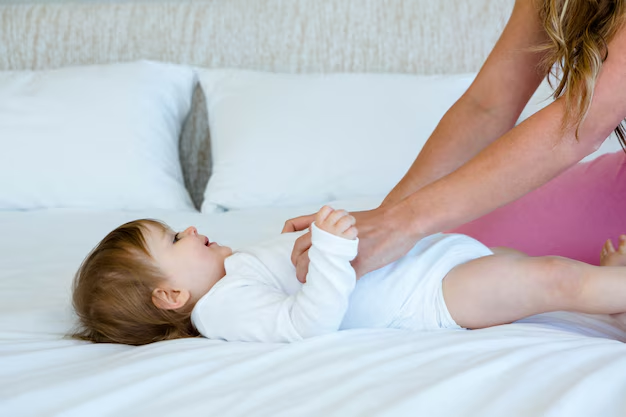
- Lay your baby on the changing pad. Unfasten the tabs or pins of the soiled diaper.
- Lift your baby's legs gently. Use one hand to hold the legs by the ankles.
- Remove the diaper. Slide it out from underneath your baby and set it aside for disposal.
Step 3: Clean and Refresh
- Wipe from front to back. This is especially important for baby girls to prevent infections.
- Check folds and creases. Make sure to cleanse all areas to prevent irritation.
- Allow the skin to air-dry for a few moments to reduce the likelihood of rashes.
Step 4: Diapering the Right Way
- Place the clean diaper underneath. With the back slightly higher than the front.
- Fasten the diaper securely. Ensure it’s snug but not too tight – there should be space for two fingers comfortably.
Step 5: Dispose and Sanitize
- Seal the dirty diaper in a disposable bag and discard it.
- Clean up your hands using sanitizer, and you've completed the diaper change!
👶 Pro Tips for a Smooth Experience
- Distract Your Baby: Hang a mobile or offer a small toy to keep your baby engaged during the change.
- Double Check: Before tossing the used diaper, ensure you haven't accidentally left any wipes inside for easy disposal.
Addressing Common Diaper Challenges
Every parent will encounter some challenges along the way. Here’s how to handle them like a pro.
Dealing with Diaper Rash
Diaper rash is a skin irritation commonly caused by prolonged exposure to moisture and friction from the diaper.
🔍 Signs to Look For:
- Red, inflamed skin on your baby’s bottom.
- Discomfort during diaper changes.
💡 Preventative Measures:
- Change diapers frequently to keep your baby dry.
- Apply a thin layer of diaper rash cream to protect the skin.
- Allow for diaper-free time to let the skin breathe.
Handling Blowouts
Sometimes diapers just can't contain everything. Here's how to deal with unexpected blowouts:
- Remain calm and assess the situation. A positive attitude helps!
- Gently remove clothing and diaper. Start from the top to avoid further mess.
- Cleanse the area thoroughly and change into new clothes.
Choosing Between Disposable and Cloth Diapers
Both disposable and cloth diapers have their merits, and understanding them can help make the best choice for your family.
🌿 Disposable Diapers
- Pros: Convenient, widely available, easy to use.
- Cons: Can be costly and have environmental considerations.
🌍 Cloth Diapers
- Pros: Cost-effective over time, environmentally friendly, often free from chemicals.
- Cons: Requires more frequent washing and initial investment.
Creating a Comfortable Diaper Routine
With experience, you can develop a diapering routine that feels second nature. Here's what to keep in mind:
Consistency is Key
Establish a regular schedule for diaper changes. This not only helps maintain hygiene but also keeps your baby comfortable.
Personalize Your Approach
Every baby is different. Some might need extra care, like adding an additional barrier cream, while others might require more frequent check-ins due to sensitive skin.
Engaging with Your Little One
Turn diaper changing into a bonding experience. Singing songs or talking through the process can create a positive atmosphere for both you and your baby.
Diaper Changing Summary: Quick Tips and Takeaways
Here is a quick reference to help simplify your diaper-changing routine.
Essential Points to Remember:
- 🛠️ Prepare Supplies: Always have your essentials ready.
- 🕔 Timely Changes: Change diapers as soon as they're soiled to avoid rashes.
- 🧼 Thorough Cleaning: Ensure all areas are wiped clean and dry.
- 🌟 Engagement: Use toys or nursery rhymes to engage your baby during his change.
- 🚫 Rash Prevention: Apply rash cream and opt for diaper-free time to prevent irritation.
By approaching diaper changes with confidence and patience, you create a more enjoyable experience that strengthens the bond with your baby. And remember, it's a learning curve – everyone starts as a beginner but quickly becomes a pro. Happy changing!
Feel free to return to this guide as often as needed and share insights with fellow parents and caregivers embarking on their own diaper-changing journeys.
Related Topics
- How Can I Change Text Message To Imessage
- How Can You Change a Jpeg To a Pdf
- How Do I Change a Jpeg To a Pdf
- How Do I Change a Pdf To a Jpg
- How Do I Change a Pdf To a Word Document
- How Do I Change a Repeating Decimal To a Fraction
- How Do I Change a Text Message To An Imessage
- How Do I Change From Text To Imessage
- How Do I Change Lowercase To Uppercase In Word
- How Do I Change My Political Party To Independent
