Mastering the Art of Changing a Door Lock: A Complete Guide
Changing a door lock may seem daunting, especially if you've never tackled this type of project before. However, with the right tools and guidance, it can be a straightforward task that boosts your home's security. This guide will walk you through the various steps on how to change a door lock, touching on different lock types, essential tools, and some handy tips to ensure success. Let’s get started!
🏡 Why Change a Door Lock?
Security Enhancement
One of the primary reasons to change a door lock is to enhance security. When you move into a new home, it's a prudent choice to change the locks to ensure you are the only one with access. Even when staying in the same home, periodically updating locks can protect against unauthorized entry.
Upgrade to Better Technology
Lock technology has evolved significantly, with options ranging from traditional keys to smart locks that integrate with home automation systems. Upgrading can offer convenience, added security features, and peace of mind.
Repairing Damage
If your lock is broken or malfunctioning, replacing it is essential to maintain security and ensure easy access to your home.
🧰 Tools and Materials Needed
To change a door lock, gather the necessary tools. These will vary slightly based on the type of lock you are dealing with, but here’s a general list:
- Screwdriver (Phillips or flat-head, depending on your lock)
- Tape measure
- New door lock
- Allen wrench (often included with new locks)
- Drill (for some installations)
- Chisel (for mortising if needed)
- Safety goggles
🔄 Types of Door Locks
Understanding the different types of door locks is crucial in choosing the right one and knowing how to install it properly.
1. Deadbolt Locks
Deadbolts provide a high level of security and are commonly used on exterior doors. They come in single-cylinder (operated with a key from outside and a thumb turn inside) and double-cylinder formats (require a key on both sides).
2. Knob Locks
Knob locks are often found on interior doors and offer basic security. They are not typically recommended for entry points due to their vulnerability to forced entry.
3. Lever Handle Locks
These are often used on interior doors and offer accessibility advantages as they're easier to open than knob locks.
4. Smart Locks
Smart locks provide advanced features like remote locking and unlocking via a smartphone app, using fingerprints, or numerical codes. Installation can be more complex, requiring compatibility with your existing door hardware.
5. Mortise Locks
Typically found in older homes, mortise locks fit into a pocket within the door and provide a high level of security and durability.
Step-by-Step Guide to Changing Your Lock
🔑 Step 1: Select the Right Lock
- Determine the Door’s Thickness: Measure the door thickness to ensure compatibility with the new lock.
- Check the Backset: The backset is the distance from the edge of the door to the center of the lock borehole. Common backsets are 2 3/8 inches and 2 3/4 inches. Make sure your new lock fits this measurement.
🔑 Step 2: Remove the Old Lock
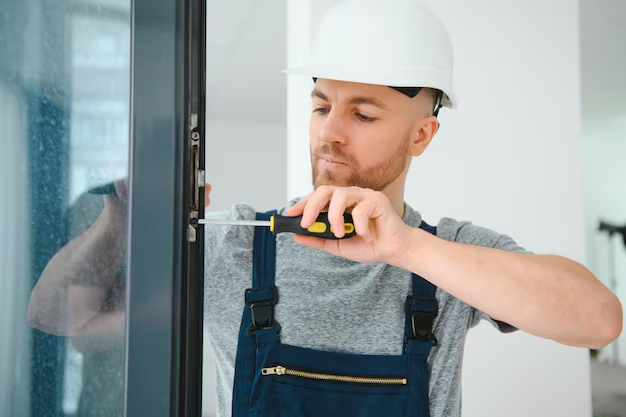
- Unscrew the Existing Lock: Using a screwdriver, remove all screws from the lock on both the inside and outside of the door.
- Extract the Lockset: Pull the two halves of the lockset apart and remove them.
- Remove the Deadbolt/Strike Plate: If applicable, remove the deadbolt mechanism and the strike plate on the doorframe.
🔑 Step 3: Install the New Lock
- Prepare the Door: Make any necessary adjustments to the door to ensure it fits the new lock, such as enlarging the hole or modifying the mortise with a chisel.
- Install the New Latch/Deadbolt: Insert the latch mechanism into the edge of the door and secure it in place with screws.
- Attach the Lockset: Align the exterior and interior parts of the lockset through the door hole. Secure them tightly using screws.
🔑 Step 4: Test the New Lock
- Check the Fit: Ensure the lock operates smoothly with the key and the thumb turn by testing it several times.
🔑 Step 5: Finalize Installation
- Adjust the Strike Plate: Ensure the strike plate on the doorframe aligns perfectly with the new lock. You may need to adjust its position or replace it with the one provided with your lock.
- Tighten All Screws: Make sure all components are firmly in place with no loose screws.
Maintain Your Lock for Longevity
Regular maintenance will ensure the lock works efficiently for years to come.
- Lubricate the Lock: Apply a lubricant such as graphite powder to keep the mechanism smooth.
- Regularly Inspect: Check for any signs of wear or damage to prevent lock failure.
🔑 Additional Tips for Success
- Be Precise: Precise measurements and drilling are crucial. Take your time ensuring everything aligns correctly.
- Keep Spare Parts: Hang onto spare pieces from the old lock, which might be useful in a pinch.
- Consider Professional Help: If the installation seems too complex or if issues arise, don’t hesitate to contact a professional locksmith.
🔍 Common Challenges and Solutions
Challenge: Misalignment with the Strike Plate
Solution: Adjust the position of the strike plate or use a chisel to expand the mortise, ensuring a snug fit for the bolt.
Challenge: Lock Feels Stiff
Solution: Ensure everything is tightly screwed, and consider re-lubricating the lock or adjusting the alignment of the lock body and latch.
Challenge: Lost Key
Solution: For smart locks, reset the key code. For traditional locks, it's often best to replace it or contact a locksmith to rekey or make a duplicate.
🛠️ Quick Summary Tips
- 🔒 Enhance Security: Change locks when moving or upgrading for better protection.
- 🗝️ The Right Tools: Use the correct screwdriver and tools for seamless installation.
- 🚪 Choose Wisely: Select the correct lock type for your door’s needs.
- ⚒️ Plan Ahead: Ensure measurements are accurate for a smooth transition.
- 🚸 Regular Maintenance: Keep locks in top shape with routine checks and lubrication.
In conclusion, changing a door lock is an empowering DIY project that enhances security and gives you control over who has access to your space. By following these steps and tips, you can confidently tackle this task, ensuring your home is safe and secure. Whether you opt for a basic lock or a high-tech solution, the key is in careful preparation and diligent execution. Now, take charge, gather your tools, and secure your abode with a lock that suits your needs perfectly!
Related Topics
- How Can I Change Text Message To Imessage
- How Can You Change a Jpeg To a Pdf
- How Do I Change a Jpeg To a Pdf
- How Do I Change a Pdf To a Jpg
- How Do I Change a Pdf To a Word Document
- How Do I Change a Repeating Decimal To a Fraction
- How Do I Change a Text Message To An Imessage
- How Do I Change From Text To Imessage
- How Do I Change Lowercase To Uppercase In Word
- How Do I Change My Political Party To Independent
