Effortlessly Fix a Flat: A Step-by-Step Guide to Changing a Punctured Tyre
Picture this: you’re cruising down the road on a sunny day, singing along to your favorite tunes, when suddenly, your car starts to shudder, and you hear the ominous thud of a flat tire. A punctured tyre can be an unexpected and frustrating dilemma for any driver. Yet, this common issue doesn't have to derail your day. With the right tools and knowledge, changing a tyre can be a straightforward task. Let's explore how you can transform yourself into a tire-changing pro with just a few essential steps.
🚗 Essential Tools You Need
Before you find yourself in the throes of a tire emergency, ensure your vehicle is equipped with the necessary tools. Here’s a checklist of what you should have on hand:
- Jack: This helps lift your car off the ground.
- Lug Wrench: Used to remove and tighten the lug nuts.
- Spare Tyre: Make sure it's properly inflated and in good condition.
- Wheel Wedges or Bricks: To keep your car from rolling.
- Flat Tyre Repair Kit: Includes sealant or patch kits for minor punctures.
- Gloves and Torch: For safety and visibility, especially at night.
Having these tools ready in your trunk can turn a potentially stressful situation into a manageable task.
🛠️ Making Safety Your Priority
Safety should always be your first concern. Here are some key measures to take before starting the tyre changing process:
Choose a Safe Location
Find a flat, stable area away from traffic. If you're on the highway, pull over to a safe spot, use your hazard lights, and set up reflective triangles if you have them.
Secure the Vehicle
Apply the parking brake even if your car is on flat terrain. Use wheel wedges to prevent your vehicle from rolling — place them in front of or behind your tires based on the slope.
Inspect Your Equipment
Before beginning, ensure all tools are in working condition. A faulty jack or underinflated spare can hinder your progress, making the job more hazardous.
🛞 Step-by-Step Guide to Change a Punctured Tyre
Now that you’re equipped and have ensured safety, let's dive into the step-by-step process of changing your tyre.
Step 1: Loosen the Lug Nuts
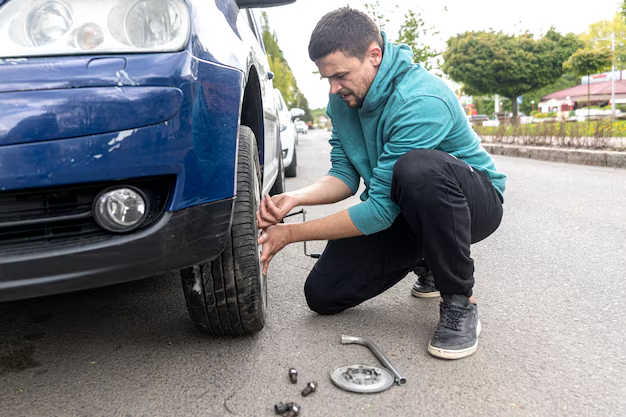
Use the lug wrench to turn the nuts counterclockwise until they are loose. Do not completely remove them yet. Slightly loosening them while the tyre is still on the ground prevents it from spinning.
Step 2: Position the Jack
Refer to your vehicle's manual for the correct jacking point near the flat tyre. Place the jack and turn the handle to lift the car until the tyre is a few inches off the ground.
Step 3: Remove the Lug Nuts
Now, fully remove the loosened lug nuts and place them in a safe spot to prevent them from getting lost.
Step 4: Remove the Flat Tyre
Gently pull the tyre towards you until it is completely off the hub. Place it flat on the ground.
Step 5: Mount the Spare Tyre
Line up the spare tyre with the lug bolts, pushing it onto the car. Ensure it’s snug against the hub.
Step 6: Hand-Tighten the Lug Nuts
Replace the lug nuts and hand-tighten them. Avoid fully tightening them yet, as they need to be locked in place with the car on the ground for secure fastening.
Step 7: Lower the Vehicle
Carefully lower the car to the ground using the jack, then remove the jack.
Step 8: Tighten the Lug Nuts
Use the lug wrench to tighten the lug nuts in a criss-cross pattern, making sure they’re secure for safe driving.
🔧 What to Do After Changing Your Tyre
Once you've changed the tyre, don’t immediately store away your tools and drive off. Here are a few recommended steps to follow:
- Check the Spare Tyre Pressure: Ensure the spare is properly inflated; a spare with low pressure might not last long.
- Visit a Professional: Have your flat tyre professionally assessed. If repairable, it could serve you as a spare in future emergencies.
- Replace or Repair Tools: Anything worn or defective should be replaced to maintain your preparedness for next time.
🚥 Summary of Key Takeaways
Here’s a quick summary of the steps and reminders to keep your tyre changing experience efficient and safe:
- Location: Select a flat and safe area away from traffic.
- Tools: Always have the essential gear ready in your trunk.
- Safety First: Engage parking brakes and use wedges.
- Lug Nuts: Loosen before jacking up the vehicle. Tighten in a criss-cross pattern after lowering.
- Follow-up: Check tyre pressure and visit a professional for tyre repair.
📝 Quick Glance Tips:
- 🔧 Tools: Keep a well-maintained toolkit.
- ⚠️ Safety: Secure your vehicle with brakes and wedges.
- 🛞 Practice: Familiarize yourself with the tyre changing process at home.
A little preparation goes a long way in making sure a flat tyre doesn't ruin your day. By following these steps, you'll find changing a tyre is not only achievable but also empowering. Now, get ready so that the next time you’re faced with a punctured tyre, you’ll be handling it like a seasoned road warrior. Safe travels!
Related Topics
- How Can I Change Text Message To Imessage
- How Can You Change a Jpeg To a Pdf
- How Do I Change a Jpeg To a Pdf
- How Do I Change a Pdf To a Jpg
- How Do I Change a Pdf To a Word Document
- How Do I Change a Repeating Decimal To a Fraction
- How Do I Change a Text Message To An Imessage
- How Do I Change From Text To Imessage
- How Do I Change Lowercase To Uppercase In Word
- How Do I Change My Political Party To Independent
