Never Get Stuck Again: How to Change a Tire with Confidence
Imagine you're on a scenic drive, enjoying the open road when suddenly you hear it—a soft thud followed by the unmistakable thumping sound of a flat tire. For many, the prospect of a flat tire is nerve-wracking, but with a little knowledge and preparation, changing a tire can be a straightforward and stress-free task. This guide will walk you through the step-by-step process of changing a tire, empowering you to handle the situation like a pro. Plus, we’ll cover essential safety tips, tools you'll need, and how to maintain your tires for a smoother journey.
🛠 Getting Prepared: Essential Tools You'll Need
Before you even get a flat tire, make sure your car is equipped with the following tools:
- Spare Tire: Ensure it’s fully inflated and in good condition.
- Car Jack: A mechanical or hydraulic jack to lift your car.
- Lug Wrench: Typically an L-shaped or cross-shaped tool for unscrewing wheel bolts.
- Wheel Wedge: To prevent the car from rolling when it's jacked up.
- Flashlight: Helpful if you need to change a tire in the dark.
- Reflective Triangles or Flares: For safety and visibility.
Having these tools will significantly ease the tire-changing process and prepare you for any unexpected occurrences on the road.
🌟 Step-by-Step Guide to Changing a Tire
Changing a tire should be a methodical process. Follow these steps to ensure a safe and efficient tire change.
1. Find a Safe Location
🚗 Key Tip: Always prioritize safety first.
- Safety: Move your vehicle to a safe, flat location away from traffic. A parking lot or a quiet side street is ideal. Avoid uneven terrain or slopes.
- Hazard Lights: Turn on your hazard lights to alert other drivers.
- Parking Brake: Apply your parking brake to prevent your car from moving.
2. Gather Your Tools and Set Up
- Tools: Secure the tools you need from your trunk (jack, lug wrench, spare tire, etc.).
- Wheel Wedge: Place wedges or any available objects (bricks, large stones) in front of or behind the tires to prevent the vehicle from rolling.
3. Loosen the Lug Nuts
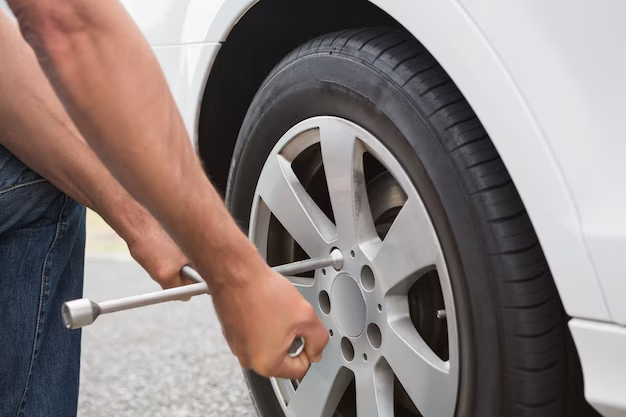
- Lug Wrench: Use the lug wrench to loosen the lug nuts on the flat tire by turning them counterclockwise. Do not completely remove them yet.
- 🔧 Key Tip: If the lug nuts are too tight, try using your foot or a piece of pipe for added leverage.
4. Lift the Vehicle
- Jack Placement: Locate the correct jacking point near the flat tire. Every car has designated jacking spots to prevent damage.
- Raise: Operate the jack until the tire is around six inches off the ground.
5. Remove the Flat Tire
- Lug Nuts: Completely unscrew the loosened lug nuts by hand and set them aside safely.
- Remove Tire: Pull the flat tire straight off and place it under the car as a precaution—a backup support if the jack fails (note that this isn't a perfect safety measure, but could slightly minimize impact).
6. Mount the Spare
- Align Holes: Position the spare tire on the hub, aligning the holes with the wheel studs.
- Attach: Hand-tighten the lug nuts onto the studs.
7. Lower the Vehicle and Tighten the Lug Nuts
- Lower: Carefully lower the car using the jack until the wheel is firmly on the ground.
- Tighten: Tighten the lug nuts in a star or crisscross pattern to ensure even pressure on the wheel.
8. Clean Up and Check
- Secure Tools: Collect all tools and place the flat tire in your vehicle.
- Double-Check: Ensure all lug nuts are secure and drive to a professional for a permanent repair.
🛡️ Staying Safe: Tips and Precautions
Changing a tire involves working around a potentially hazardous vehicle. Here are key safety measures to keep in mind:
- Reflectors: Place reflectors or flares if you're changing the tire at night or in low visibility areas.
- Never Crawl Under: Do not place any part of your body under the car while using the jack.
- Avoid Traffic: If possible, keep away from the main street and avoid traffic flow to minimize risk.
🛞 Tire Maintenance: Prolong the Life of Your Tires
Consistent tire maintenance can reduce the likelihood of unexpected flats. Here's how you can keep your tires in good shape:
- Check Tire Pressure: Regularly check and inflate tires to the manufacturer's recommended PSI.
- Rotate Tires: Rotate your tires every 5,000 to 8,000 miles to prevent uneven wear.
- Align: Ensure wheels are aligned to prevent uneven tire wear and improve gas mileage.
- Inspect Tread: Use the penny test—insert a penny into the tread with Lincoln's head down. If you can see the top of Lincoln's head, it's time for new tires.
🚙 Quick Summary: Changing a Tire at a Glance
- 🛠 Tools Needed: Spare tire, jack, lug wrench, wheel wedge, flashlight, reflective triangles.
- 🚦 Safety First: Move to a safe area, use hazard lights, apply parking brake.
- 🔄 Procedural Steps: Loosen lug nuts, jack up car, remove flat, install spare, lower car, tighten nuts.
- 🔐 Post-Change Checks: Tighten lug nuts securely, visit a professional for a permanent solution.
- Tire Maintenance: Regularly check pressure, rotate, and align for optimum condition.
With these steps and tips, you'll not only be ready for the next unexpected flat tire but also ensure your vehicle is in optimal condition for every journey. Remember, understanding how to change a tire is a valuable skill that can save you time, money, and hassle on the road. Equip yourself with knowledge and confidence, and you'll never be left stranded again. Safe travels!
Discover More
- How Can I Change Text Message To Imessage
- How Can You Change a Jpeg To a Pdf
- How Does Deforestation Contribute To Climate Change
- How Do I Change a Jpeg To a Pdf
- How Do I Change a Pdf To a Jpg
- How Do I Change a Pdf To a Word Document
- How Do I Change a Repeating Decimal To a Fraction
- How Do I Change a Text Message To An Imessage
- How Do I Change From Text To Imessage
- How Do I Change Lowercase To Uppercase In Word