Discover How to Easily Change Your Toilet Seat for a Quick Bathroom Refresh
Have you ever noticed how much a fresh toilet seat can change the entire feel of your bathroom? It’s one of those quick fixes that don’t require much in terms of time or money, yet can drastically elevate your space. If you’re feeling that your bathroom could use a simple update, replacing your toilet seat might be just the solution you need. Whether it’s wear and tear, a new design preference, or if you’re simply renting a place and want a unique touch, changing a toilet seat is a straightforward task that anyone can tackle. Let’s guide you through it!
Why Change Your Toilet Seat?
Comfort and Hygiene Concerns
Over time, toilet seats can become uncomfortable or unsightly. Regular use and cleaning mean they’re susceptible to wear and unpleasant odors. A new seat not only provides a fresh, clean look but also reassures hygiene for those concerned with sanitation.
Versatility in Style
Bathroom trends evolve, and you might find your current seat isn’t matching your vision. With a significant variety of designs, shapes, and colors available, matching your toilet seat with your bathroom décor is now easier than ever.
Damage and Wear-and-Tear
The typical lifespan of a toilet seat is about five to ten years. If yours is cracked, discolored, or no longer functions correctly, replacing it can restore comfort and functionality.
Tools and Materials You Need
Before diving into the installation process, make sure you have the right tools and materials. You’ll generally need:
- Adjustable wrench or pliers: Necessary for loosening and tightening nuts and bolts.
- Screwdriver: A flat-head or Philips, depending on the seat and bolt type.
- Cleaning supplies: To ensure the area under the seat is clean before installation.
- Replacement toilet seat: Be sure it’s compatible with your toilet’s shape and size (e.g., round or elongated).
- Lubricant or penetrating oil: Can be helpful if old bolts are rusty or stubborn.
Step-by-Step Guide to Changing Your Toilet Seat
Step 1: Remove the Old Seat
Locate the Nuts and Bolts
Peek under the back of your toilet seat, and you’ll find a set of nuts and bolts that secure it in place. Most modern seats have covers that easily snap off to reveal these mechanisms.Loosen the Screws
Use your screwdriver and wrench to unscrew and hold the nut and bolt simultaneously. If rusted, spraying a little lubricant can ease removal.Remove the Seat
Once completely unscrewed, you can lift the seat off. Take this opportunity to clean the rim and area beneath with disinfectant, ensuring your new seat sits on a pristine surface.
Step 2: Install the New Seat
Align the New Seat
Place the new seat on the toilet bowl, aligning it with the holes at the back.Insert Bolts
Insert the bolts into these holes. Certain seats have quick-release mechanisms or easy, no-tool installations that simplify this step.Secure the Nuts
From underneath, thread the nuts onto the bolts and hand-tighten them. Use your wrench for a final tightening to secure the seat in place.Test the Fit
Check the stability by wiggling the seat slightly. It should be secure but not overly tight, as overtightening may crack the porcelain.
Troubleshooting Common Issues
Changing a toilet seat is generally smooth sailing, but occasionally some hiccups can occur:
- Stuck Nuts and Bolts: Rust is a common culprit. Apply a penetrating oil and wait for it to seep in before attempting to loosen.
- Seat Doesn’t Align: Double-check that your toilet seat matches the toilet’s shape or try adjusting the placement one more time before securing.
- Loose Seat After Installation: Ensure the nuts are tightened or consider using rubber washers for better grip.
Different Types of Toilet Seats
Material Options
- Plastic: Durable and less prone to chipping, plastic seats are lightweight and easy to clean.
- Wood: Offers warmth and can be painted or stained for customization, but may absorb moisture over time.
Special Features
- Soft-close mechanisms: Prevent slamming and add an air of luxury.
- Quick-release hinges: Allow for easier cleaning and faster removal.
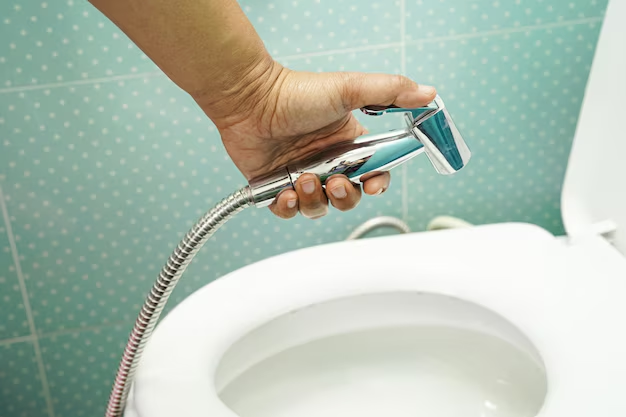
- Bidet attachments: Offer added hygiene options without the need for separate plumbing.
Bathroom Safety Tips
Beyond style and comfort, safety is essential. Consider reinforced models if weight support is a concern, and always ensure that the seat is secured tightly to avoid accidents.
Eco-Friendly Considerations
If you’re environmentally conscious, look for seats made from recycled materials or those that can be recycled after use. Water-saving features and eco-friendly packaging are also pluses.
Quick Reference Guide: Toilet Seat Change Checklist
Here's a quick recap to ensure you’re on the right path 📋:
- 🛠 Gather Tools: Wrench, screwdriver, cleaning supplies.
- 📏 Check Compatibility: Ensure new seat matches toilet size (round/elongated).
- 🔧 Remove Old Seat: Loosen nuts, clean thoroughly.
- 🆕 Attach New Seat: Align, insert bolts, and tighten nuts.
- 🔍 Perform Fit Check: Test by wiggling gently.
- 🌿 Consider Eco-Friendly Options: Choose materials with environmental impact in mind.
Embracing Your DIY Spirit
Changing a toilet seat is a great entry point into home improvements; it’s straightforward, requires minimal tools, and can be completed in a short span. Not only does it refresh the look of your bathroom, but it also instills the confidence to tackle more significant projects. So, get your tools ready, because a small change like this can make a significant difference! Embrace this opportunity for a fresh bathroom update—one seat at a time.
Related Topics
- How Can I Change Text Message To Imessage
- How Can You Change a Jpeg To a Pdf
- How Do I Change a Jpeg To a Pdf
- How Do I Change a Pdf To a Jpg
- How Do I Change a Pdf To a Word Document
- How Do I Change a Repeating Decimal To a Fraction
- How Do I Change a Text Message To An Imessage
- How Do I Change From Text To Imessage
- How Do I Change Lowercase To Uppercase In Word
- How Do I Change My Political Party To Independent
