How to Effortlessly Change Your Windshield Wipers
In the midst of a torrential downpour or a gentle sprinkle, your windshield wipers are pivotal in ensuring that your drive is safe and your vision clear. Yet, despite their importance, changing windshield wipers is a car maintenance task that many overlook until the moment they fail during a storm. Fear not—changing windshield wipers is simple, quick, and something you can easily do yourself with just a bit of guidance. This article is your comprehensive guide to understanding, selecting, and changing windshield wipers to ensure your vehicle remains road-ready no matter the weather conditions.
🚗 Why Change Your Windshield Wipers?
Windshield wipers are subjected to wear and tear from various elements. Over time, they can become less effective, streaking instead of clearing the windshield, which can reduce visibility and potentially compromise safety. Regularly inspecting and replacing your windshield wipers can help prevent these issues. Here are some signs it’s time for a replacement:
- Streaking or Skipping: The wipers leave streaks or skip parts of the windshield.
- Chattering: The wipers make a chattering sound during operation.
- Squeaking: Unusual noises occur as the wipers move across the glass.
- Cracked or Split Rubber: Visible damage to the rubber blades.
🛠 Tools You’ll Need
Before diving into the process, gather the following items to ensure a smooth transition:
- New Wiper Blades: Check your vehicle's manual or an automotive store for the correct size.
- Lint-Free Cloth: To clean the windshield and wiper arms.
- Rubbing Alcohol: For cleaning the windshield and wiper arms.
- Small Screwdriver (optional): If required for certain types of wipers.
🔧 Step-by-Step Guide to Changing Windshield Wipers
1. Identify Your Wiper Blade Type
Begin by understanding the type of connector on your windshield wipers. Most cars have wiper blades attached with one of these common connectors:
- J-Hook: The most prevalent type, with a hook-like end.
- Pin Arm: Features a small pin that locks the wiper blade in place.
- Bayonet: Slides into place and locks with a sideways motion.
2. Remove the Old Wiper Blades
A. J-Hook Wipers
- Lift the wiper arm off the windshield to a vertical position.
- Locate the release tab on the underside of the wiper.
- Press the tab and slide the old blade downwards to release it from the hook.
B. Pin Arm Wipers
- Lift the wiper arm away from the windshield.
- Push the tab or use a small screwdriver to release the pin.
- Slide the blade off the arm.
C. Bayonet Wipers
- Lift the wiper arm to a vertical position.
- Press the side release tab and pull the blade outward to slide it off.
3. Prepare the New Wiper Blades
- Unpackage your new wiper blades carefully.
- Confirm they are the correct size and type for your vehicle.
- Remove any protective covers on the blades.
4. Install the New Wiper Blades
A. J-Hook Wipers
- Insert the hook into the blade's opening.
- Pull upwards until the blade clicks into place.
B. Pin Arm Wipers
- Align the pin with the hole on the new blade.
- Push until it clicks and locks securely.
C. Bayonet Wipers
- Slide the blade onto the arm.
- Lock the tab to secure the blade in place.
Ensure that the blade is firmly attached by gently pulling on it.
5. Clean the Windshield and Wiper Arms
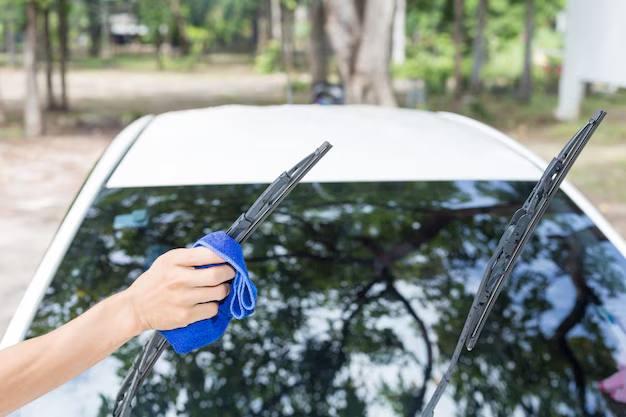
- Use a lint-free cloth and rubbing alcohol to wipe down the windshield.
- Wipe the wiper arms to remove any dirt or debris.
🔍 Evaluating Your Work
Once the new wipers are installed, test them by spraying some washer fluid and activating the wipers. Ensure they move smoothly across the windshield without streaking or skipping. This quick check can prevent surprises in adverse weather conditions.
🚦 Additional Tips for Windshield Wiper Maintenance
- Regular Inspection: Check the condition of your windshield wipers periodically. Make it a habit to look over them every few months or during seasonal changes.
- Keep Clean: Regularly clean your windshield and wipers to prevent dirt accumulation, which could reduce their effectiveness.
- Protect from Extreme Conditions: Harsh sun, snow, and ice can deteriorate your wiper blades. Park in the shade when possible and gently remove ice buildup on blades.
📝 Quick Reference Checklist for Changing Windshield Wipers
Here's a handy checklist to guide you through the process with ease:
- 🖊️ Check: Identify when wipers need replacement.
- 📏 Size: Ensure new blades match the required size.
- 🔍 Identify: Determine the wiper arm type (J-Hook, Pin, Bayonet).
- 🚙 Remove: Carefully take off the old wipers.
- 🔄 Install: Securely fit the new blades.
- 🧽 Clean: Wipe down windshield and wiper arms.
- 🔍 Test: Verify smooth operation without noise or streaking.
🌟 Closing Insight: Empowering Your Automotive Skills
Understanding how to change windshield wipers is a small but significant step towards self-sufficiency in car maintenance. Not only does it save you the cost of a service fee, but it also ensures your safety on the road. With just a few basic tools and this easy-to-follow guide, you can effortlessly keep your vision clear no matter the weather. Your vehicle's upkeep is a gateway to driving confidence, allowing you to focus on the journey ahead with safety and peace of mind.
Changing windshield wipers shouldn't wait until they are worn beyond function. Routine checks and timely replacements are key to keeping your driving experience seamless and safe. Now equipped with the know-how, you can confidently address this essential maintenance task and encourage a proactive approach to vehicle care.
Related Topics
- How Can I Change Text Message To Imessage
- How Can You Change a Jpeg To a Pdf
- How Do I Change a Jpeg To a Pdf
- How Do I Change a Pdf To a Jpg
- How Do I Change a Pdf To a Word Document
- How Do I Change a Repeating Decimal To a Fraction
- How Do I Change a Text Message To An Imessage
- How Do I Change From Text To Imessage
- How Do I Change Lowercase To Uppercase In Word
- How Do I Change My Political Party To Independent
