Maximize Your Car’s Performance: A Step-by-Step Guide to Changing the Air Filter
Is your car engine feeling sluggish or not performing as well as it used to? It might be time for a straightforward DIY maintenance task: changing your car's air filter. This often-overlooked component plays a crucial role in ensuring your vehicle runs efficiently and smoothly. Whether you're a seasoned DIY-er or a curious beginner, this guide will walk you through everything you need to know about changing your car's air filter, along with considerations and tips that will keep your vehicle in top shape.
📘 Understanding the Air Filter’s Role
What Does a Car Air Filter Do?
Before diving into the how, let's understand the why. The air filter is essential for protecting your engine. It prevents dirt, dust, and debris from entering as air flows through the engine to mix with fuel, ensuring a clean combustion process. A dirty or clogged air filter can impede airflow, leading to decreased performance and fuel efficiency.
Signs It’s Time to Change Your Air Filter
A few key indicators might signal it's time to replace your air filter:
- Reduced Fuel Efficiency: A dirty air filter can result in lower miles per gallon.
- Unusual Engine Sounds: Coughing or sputtering noises may be heard during acceleration.
- Poor Acceleration: Your car feels sluggish and unresponsive.
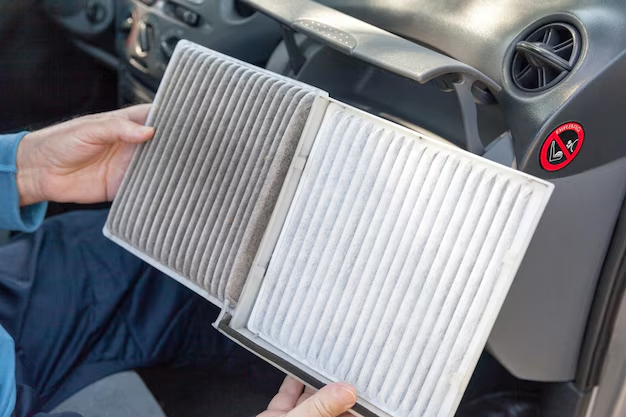
- Visual Inspection: Check your filter; if it's dark and dirty, it's time for a new one.
🛠️ How to Change Your Car Air Filter
Ready to get your hands a little dirty? Here's a step-by-step guide to changing your car's air filter. Always ensure your car is off and in park with the parking brake engaged before starting this DIY task.
Step 1: Gather Your Tools and Materials
You won't need much, but a few essentials will make the process easier:
- A new air filter compatible with your vehicle model
- A screwdriver set (if applicable)
Step 2: Locate the Air Filter Housing
Open your vehicle's hood and find the air filter housing. This is typically a black plastic box positioned near the engine. Refer to your owner’s manual if you're unsure of its location.
Step 3: Open the Air Filter Housing
Most filter housings are secured with clips or screws:
- For clipped housings: Simply unclip to open.
- For screwed housings: Use a screwdriver to carefully remove the screws.
Step 4: Remove the Old Air Filter
Take out the old filter and note its orientation within the housing to ensure correct placement of the new filter.
Step 5: Install the New Air Filter
Place the new filter into the housing, following the orientation of the old filter. Ensure it fits snugly to avoid any bypass of air around the filter.
Step 6: Secure the Air Filter Housing
Close the air filter housing and secure it with the clips or screws. Double-check everything is tightly fastened to prevent it from coming loose while driving.
Step 7: Test Drive Your Car
Take your vehicle for a short drive to ensure everything is functioning smoothly. You should notice an improvement in performance, especially if the old filter was significantly clogged.
🌟 Benefits of Regular Air Filter Changes
Changing your air filter regularly can bring several advantages:
- Improved Performance: A clean filter can boost horsepower and acceleration.
- Enhanced Fuel Efficiency: Cleaner air allows for optimal combustion and engine performance.
- Longer Engine Life: Keeping debris out extends your engine’s lifespan.
- Reduced Emissions: A clean filter can also lead to lower emissions, contributing positively to the environment.
🚗 When Should You Change Your Air Filter?
Air filter change intervals can vary based on driving conditions and terrain. Common recommendations include:
- Every 12,000 to 15,000 miles: An easily memorized range to ensure timely changes.
- Every annual service: Including it in your regular car maintenance routine.
- Frequently in Dusty Areas: Consider shorter intervals for dusty or off-road conditions.
🤔 Air Filter Types
Not all air filters are created equal. When selecting a new filter, consider these types:
Paper Filters
Made from pleated paper, these are the most common and cost-effective, perfect for everyday driving.
Foam Filters
These are more durable and can be washed and reused, ideal for off-road vehicles.
Cotton Filters
Often found in high-performance cars, these enhance airflow and are reusable but come at a higher price point.
🔧 Troubleshooting Common Issues
Even with this simple maintenance task, you might encounter a few issues:
- Filter Doesn’t Fit: Double-check specifications with your vehicle’s model year.
- Reduced Performance After Installation: Ensure filter housing is completely sealed.
🔍 Quick Summary of Air Filter Maintenance
Here’s a swift recap of essential air filter tips and takeaways:
- Change Every 12,000-15,000 miles 🛣️
- Check During Annual Service 📅
- Select the Right Filter for Your Needs: Paper, Foam, or Cotton 🎯
- Remember to Drive Safely Post-Replacement 🚗
Keep these in mind, and you’ll keep your engine purring smoothly!
Regularly replacing your car’s air filter is a simple, effective way to maintain vehicle health and ensure optimal performance. Whether you're improving gas mileage or extending engine life, a fresh air filter helps your car run like the well-oiled machine it was designed to be. Embrace this straightforward maintenance task, and you'll reap the rewards of a longer-lasting, efficient vehicle.
Related Topics
- How Can I Change Text Message To Imessage
- How Can You Change a Jpeg To a Pdf
- How Do I Change a Jpeg To a Pdf
- How Do I Change a Pdf To a Jpg
- How Do I Change a Pdf To a Word Document
- How Do I Change a Repeating Decimal To a Fraction
- How Do I Change a Text Message To An Imessage
- How Do I Change From Text To Imessage
- How Do I Change Lowercase To Uppercase In Word
- How Do I Change My Political Party To Independent
