Mobile Homes: A Smart Investment for the Future?
In recent years, the notion of living in or investing in mobile homes has sparked widespread interest. As housing affordability becomes a significant concern for many, these homes present an intriguing alternative to traditional real estate. But are mobile homes truly a good investment? Let's dive into the world of mobile homes, examining the potential benefits and drawbacks, and uncover whether they should be on your investment radar.
Understanding Mobile Homes
What Are Mobile Homes?
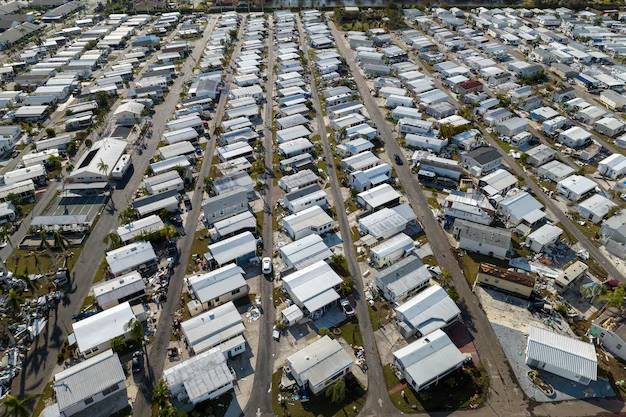
Mobile homes, also known as manufactured homes, are residential structures built in factories and transported to their intended locations. Unlike traditional houses built on-site, mobile homes come pre-built. This method generally results in a lower cost per square foot, making them an appealing choice for individuals seeking affordable living options.
Different Types of Mobile Homes
Manufactured homes vary in size and design to suit various buyer preferences. They usually come in:
Single-Wide Units: These are smaller, narrower units, often ranging from 600 to 1,200 square feet. They are typically more affordable, making them a popular choice for first-time homebuyers.
Double-Wide Units: These offer more space, with dimensions typically between 1,000 and 2,500 square feet. They are two units joined together, providing a layout comparable to that of a small house.
Triple-Wide Units: Less common and more expansive, these units offer multiple rooms and amenities, resembling traditional homes in both comfort and design.
The Cost Factor
One of the most significant advantages of mobile homes is their affordability. Purchasing a mobile home often requires a lower initial investment compared to a traditional house. This makes them accessible to a broader range of buyers, particularly those who might struggle to secure financing for conventional real estate.
Investing in Mobile Homes: Pros and Cons
Benefits of Mobile Home Investments
Affordability: Mobile homes provide a low-cost entry into real estate, allowing investors to start building wealth without facing the financial barriers of traditional properties.
Rapid Deployment: Since these homes are factory-built, they can be placed on-site much quicker than a custom-built house, accelerating time to market for investors.
Flexibility: Mobile homes can be moved or sold if land opportunities change, offering a level of flexibility unmatched by fixed-site structures.
Rental Demand: With increasing demand for affordable housing, mobile homes can provide consistent rental income for investors with the right locations and management.
Potential for Community Investments: Investing in mobile home parks, where multiple units are present, can yield ongoing revenue and growth opportunities.
Drawbacks of Mobile Home Investments
Depreciation Concerns: Unlike traditional homes, mobile homes may not appreciate in value over time, potentially affecting long-term ROI.
Stigma and Zoning: Some regions might have zoning challenges or stigmas attached to mobile homes, which can influence resale value and investment appeal.
Maintenance and Repair Costs: While the initial investment may be lower, ongoing maintenance costs could be significant, particularly if the home isn't well cared for.
Financing Barriers: Securing finance for mobile home investments can be more complex since not all lenders offer favorable terms for these types of properties.
Key Considerations for Investors
When deliberating whether to invest in mobile homes, consider these critical factors:
Location Importance: As with all real estate, location plays a pivotal role. Proximity to amenities, job centers, and a desirable climate can affect demand and pricing.
Community and Park Management: If buying in a mobile home park, consider the park's management quality and reputation, which can impact your investment's desirability.
Local Regulations and Laws: Research zoning laws and local regulations that may impact the placement, resale, or leasing of mobile homes.
Long-Term Vs. Short-Term Goals: Are you seeking quick cash flow or long-term gains? Understanding your investment timeline can dictate your strategy and choices.
Trends Shaping the Mobile Home Market
Eco-Friendly and Sustainable Living
As environmental consciousness rises, the demand for sustainable housing options is growing. Many modern mobile homes now incorporate eco-friendly features like high-efficiency appliances, solar panels, and sustainable building materials, appealing to eco-conscious consumers who prioritize green living solutions.
Technological Advancements
Advances in technology continue to transform the manufacturing process of mobile homes, resulting in higher quality standards and smarter designs. Features like smart home integration and energy-efficient systems can increase marketability and attract a wider pool of potential tenants or buyers.
Increasing Demand for Affordable Housing
With urban areas facing housing shortages and escalating costs, more people are looking toward mobile homes as viable alternatives. This growing interest could lead to increased investment opportunities in this sector.
Practical Tips for Aspiring Mobile Home Investors
Do Your Homework: Research the market thoroughly to understand potential risks and rewards, along with specific rules in your area.
Network with Experienced Investors: Connect with individuals experienced in mobile home investments to gain insights and guidance.
Inspect Before You Buy: Always conduct a thorough inspection of the home and any associated land before purchasing to uncover any potential issues.
Budget for Unexpected Expenses: Allocating funds for unforeseen costs ensures a smoother investment journey and protects against unexpected financial strain.
Consider Long-Term Value: Assess the potential for appreciation and resale value, especially regarding property location and community trends.
📝 Quick Summary: Key Takeaways
- Pros: Affordable entry, quick deployment, rental demand.
- Cons: Depreciation risk, financing challenges, zoning issues.
- Tips:
- Research extensively.
- Connect with experts.
- Inspect properties.
- Budget wisely.
- Evaluate long-term potential.
Final Thoughts
Investing in mobile homes can be a profitable venture under the right circumstances. While they offer distinct advantages, potential challenges also exist in terms of depreciation and market perception. By approaching the investment with careful planning and due diligence, mobile homes can certainly be a good investment choice for those willing to navigate their unique landscape and capitalize on the increasing demand for affordable housing solutions.
Remember, as with any investment decision, understanding your financial goals, risk tolerance, and commitment levels is essential in selecting the path that's right for you. If approached strategically, mobile homes can offer a resilient and potentially rewarding addition to your investment portfolio.
Discover More
- a Couple Won The Powerball. Investing It Turned Into Tragedy.
- a Few Consideration When Investing For Preferred Stock Equity
- a I Etf
- a Positive Return On Investment For Education Happens When
- a Positive Return On Investment For Higher Education _____.
- Are Annuities a Good Investment
- Are Annuities Good Investment
- Are Annuities Good Investments
- Are Automatic Investments a Money Skill
- Are Bonds a Good Investment