What Does a Good Credit Score Look Like? Understanding the Numbers and What They Mean for You
In today's financial world, your credit score often serves as the key to many opportunities, from securing a home loan to claiming the best interest rates on a credit card. If you're wondering, "What is a good credit score to have?" you're not alone. Many people seek clarity on this number that plays such a vital role in their financial life. This guide will delve into what constitutes a good credit score, why it's important, and how you can achieve and maintain it.
⭐ Why Your Credit Score Matters
Your credit score is essentially a numerical representation of your creditworthiness. Think of it as the GPA of your financial life. Just like a GPA can determine your educational opportunities, your credit score can dictate your financial possibilities. A higher score often means better loan conditions and lower interest rates, saving you money in the long run.
What Is a Credit Score?
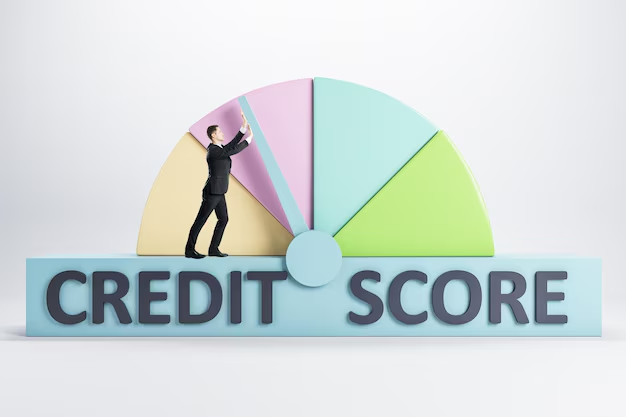
A credit score is a three-digit number typically ranging from 300 to 850, used by lenders to evaluate your ability to repay borrowed money. The score is primarily calculated based on your credit history, including your payment habits, the amount of debt you owe, and the length of your credit history.
Understanding Credit Score Ranges
Credit scores are generally classified into five categories:
- 300-579: Poor
- 580-669: Fair
- 670-739: Good
- 740-799: Very Good
- 800-850: Excellent
A score of 670 and above is considered good and can unlock many benefits for consumers. Let’s explore these benefits, and how they impact your financial decisions.
🔍 What Makes a Score Good or Bad?
Your credit score is influenced by several factors, and understanding these can help you maintain a favorable score.
Key Factors That Determine Your Score
- Payment History: Consistency is crucial. Making payments on time has the largest impact on your score.
- Credit Utilization Ratio: This is the ratio of your current credit card balances to your credit limits. Keeping it below 30% is ideal.
- Length of Credit History: A longer history demonstrates reliability and can positively impact your score.
- New Credit: Opening several new credit accounts in a short period can raise red flags to lenders.
- Credit Mix: A diverse mix of credit accounts (like credit cards, auto loan, mortgage) can be beneficial.
Why Scores Fluctuate
Credit scores aren't static; they can change due to various factors such as a major purchase, applying for new credit, or even paying off an outstanding loan. Regular monitoring can help you keep track of these fluctuations and manage your financial strategies accordingly.
🌟 Benefits of Having a Good Credit Score
Achieving and maintaining a good credit score comes with multiple advantages that can ease your day-to-day financial dealings.
Financial Opportunities
- Lower Loan Interest Rates: You can access more competitive rates, saving significant amounts over the life of a loan.
- Higher Limits: Creditors are more likely to offer higher credit limits, giving you more spending flexibility.
- Better Credit Card Offers: With a good or excellent score, you can opt for credit cards offering better rewards and lower fees.
Non-Financial Perks
- Better Insurance Rates: Some insurers consider credit scores when determining premiums.
- Rental Advantages: A reputable score can make you a more attractive tenant to potential landlords.
- Employment Prospects: Some employers conduct credit checks as part of the hiring process, viewing a good score as indicative of a responsible, reliable employee.
🚀 Strategies to Achieve and Maintain a Good Credit Score
Building a good credit score takes time and strategic planning. Here are some effective approaches to improve and maintain your score:
Smart Financial Habits
- Pay Bills on Time: Set reminders or automate payments to ensure punctuality.
- Keep Balances Low: Aim to reduce your credit utilization ratio by clearing outstanding balances when possible.
- Limit New Credit Requests: Be strategic about new credit applications, as each inquiry can affect your score.
Regular Monitoring
Make use of free credit report services to track your credit score and understand changes over time. Regular checks can help you detect inaccuracies or fraud early.
Educate Yourself
Stay informed about how credit scores work and change over time. The more you know, the better equipped you'll be to manage your score effectively.
☑️ Quick Tips for Better Credit Health
Here's a concise summary packed with practical tips to help you boost and maintain a good credit score:
- 💡 Automate bill payments to never miss a due date.
- 🚫 Avoid maxing out credit cards; keep utilization low.
- 🔍 Check your credit reports annually for errors.
- 🛑 Be cautious with new credit card inquiries.
- 🎯 Focus on long-term financial planning.
Tying It All Together
Understanding what a good credit score entails and using effective strategies to achieve it can open up numerous financial opportunities. Remember, while a score is just a number, it symbolizes your financial reputation. With consistent efforts and smart financial habits, you can build and sustain a score that allows you to leverage the benefits and security of good credit. As with any long-term goal, persistence and responsible choices are key.
Your journey to mastering your credit score is not just about numbers—it's about managing your financial potential and unlocking a future filled with opportunities. So, take control today, and let your credit score work for you.
Discover More
- a Credit Score Is Based In Part On
- a Good Credit Score
- Can Checking Credit Score Lower It
- Can I Rent An Apartment With a 540 Credit Score
- Can Medical Bills Affect Your Credit Score
- Can You Have a Credit Score Without a Credit Card
- Do Balance Transfers Hurt My Credit Score
- Does a 7-day Late Payment Affect Credit Score
- Does Affirm Affect Credit Score
- Does Affirm Affect Your Credit Score