Understanding Credit Scores: What the Numbers Really Mean for You
Navigating the world of credit can often feel like deciphering a secret code. One of the most crucial elements in this financial puzzle is the credit score. But what exactly does your credit score mean, and why does it hold so much power over your financial options?
📊 The Basics: What Is a Credit Score?
A credit score is a numerical representation of your creditworthiness, or how likely you are to repay borrowed money. It’s a critical factor lenders consider when you apply for credit cards, loans, or mortgages. Your credit score can influence not only whether you receive credit but also the interest rates you are offered.
The Credit Score Range
The typical credit score range falls between 300 and 850, with higher scores indicating stronger creditworthiness. Here’s a broad view of how scores are generally categorized:
- 300 - 579: Poor
- 580 - 669: Fair
- 670 - 739: Good
- 740 - 799: Very Good
- 800 - 850: Excellent
Understanding where you fit within this range can empower you to make informed financial decisions and take steps to improve your score if necessary.
🌟 Why Your Credit Score Matters
A good credit score can open doors to financial opportunities, while a poor score can create barriers.
Impact on Loans and Interest Rates
Lenders use your credit score to assess the risk of lending to you. A high score often means better terms:
- Lower Interest Rates: A higher score may qualify you for lower rates, reducing the cost of borrowing.
- Easier Approval: Many lenders have minimum scoring requirements, affecting your approval chances.
- Better Credit Limits: Good credit can also help you secure higher credit limits on cards and loans.
Beyond Borrowing
Credit scores can influence more than just loans:
- Renting a Home: Landlords may check your credit score to evaluate rental applications.
- Utilities and Services: Some utility and phone companies check credit scores to decide on deposit requirements.
- Employment Opportunities: Certain jobs may require a credit check as part of their hiring process.
🔍 Factors That Affect Your Credit Score
Several factors combine to determine your credit score. Understanding these can help you manage your score more effectively.
Major Factors
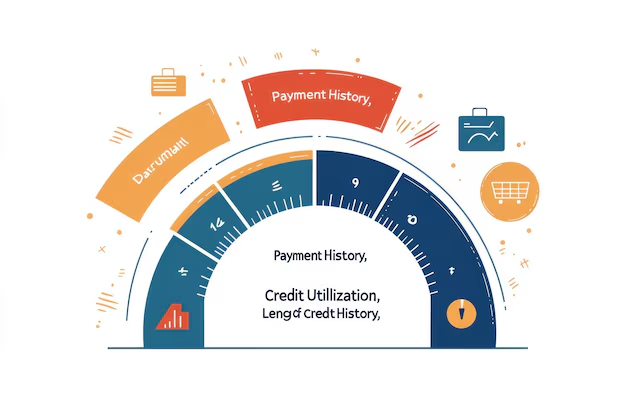
- Payment History (35%): Timely payments are crucial. Late payments can negatively impact your score.
- Credit Utilization (30%): This is the ratio of your current credit balances to your credit limits. Keep utilization low to maintain a healthy score.
- Length of Credit History (15%): Longer credit histories generally contribute to higher scores.
- Credit Mix (10%): A diverse range of credit types, like credit cards, mortgages, and loans, can benefit your score.
- New Credit (10%): Applying for new credit can temporarily lower your score due to hard inquiries.
Lesser-Known Influences
- Consistent Payment Frequency: Regular payments in any amount can be more beneficial than larger, irregular payments.
- Debt-to-Income Ratio: Although not directly affecting your score, excessive debt can impact your credit utilization and ability to pay off balances.
🛠️ Steps to Improve Your Credit Score
Improving your credit score is a journey, not an overnight transformation. Here are some actionable steps to get you started:
Regularly Check Your Credit Report: Monitor for errors or fraudulent activity. You are entitled to a free credit report annually from each of the major credit bureaus.
Pay Bills on Time: Consider setting up automatic payments to ensure you don't miss due dates.
Reduce Outstanding Debt: Aim to pay down existing debt, starting with high-interest accounts.
Avoid Opening New Credit Accounts Unnecessarily: Only apply for credit when needed to avoid impacting your score with too many hard inquiries.
Maintain Low Credit Utilization: Keep balances well below your total available credit.
⚠️ Mistakes to Avoid
- Closing Old Accounts: This can shorten your credit history and reduce your credit mix.
- Maxing Out Credit Lines: High utilization can severely impact your score.
🔎 Monitoring and Managing Your Score
Staying informed and vigilant is key. Regularly checking your score and understanding the factors that influence it can help you maintain a healthy credit rating.
Using Credit Monitoring Services
Consider using credit monitoring services for real-time alerts on changes to your score. They can help you:
- Detect fraud early
- Monitor changes due to large purchases or payments
- See the impact of new credit applications
📌 Quick Tips for Maintaining a Healthy Credit Score
Here’s a convenient summary to keep in mind:
- 📅 Pay On Time: Late payments damage your score significantly.
- 💳 Keep Utilization Low: Ideally below 30% of your total available credit.
- 🔍 Check Regularly: Monitor your credit report for errors or anomalies.
- 🔄 Mix It Up: A variety of credit types can be beneficial.
- 🚫 Limit Inquiries: Avoid unnecessary credit applications.
🔗 Taking Control of Your Credit Future
Building and maintaining a stellar credit score takes time, dedication, and informed financial behaviors. By understanding the scoring system and implementing positive credit habits, you can significantly influence your financial well-being. Remember, your credit score is not just a number; it is a reflection of your financial health and habits. Empower yourself by staying informed, proactive, and disciplined in your financial decisions.
Discover More
- a Credit Score Is Based In Part On
- a Good Credit Score
- Can Checking Credit Score Lower It
- Can I Rent An Apartment With a 540 Credit Score
- Can Medical Bills Affect Your Credit Score
- Can You Have a Credit Score Without a Credit Card
- Do Balance Transfers Hurt My Credit Score
- Does a 7-day Late Payment Affect Credit Score
- Does Affirm Affect Credit Score
- Does Affirm Affect Your Credit Score