Unveiling the Truth: Is Acupuncture Covered by Medicaid?
Acupuncture, a practice with roots in ancient Chinese medicine, has gained popularity in recent years for its potential to treat a variety of ailments. As more people turn to this alternative therapy, a common question arises: Does Medicaid cover acupuncture? This question holds significance for many individuals relying on Medicaid for their healthcare needs. Let's explore this query in depth, examine related topics, and provide practical guidance.
What is Acupuncture?
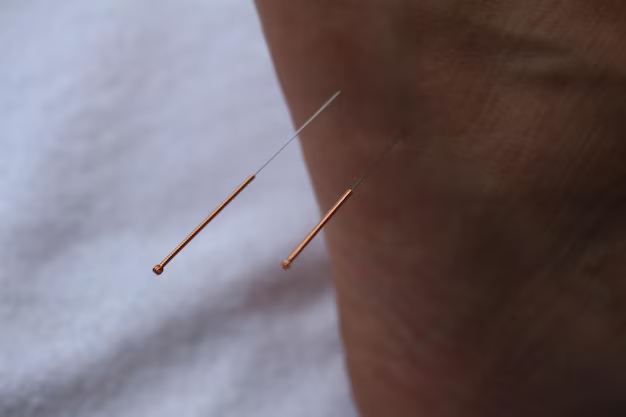
Acupuncture involves the insertion of thin needles through the skin at strategic points on the body. Practitioners claim it helps balance the body's energy, or "qi," and promote healing. Some people find acupuncture helpful for pain relief, nausea, and mental health issues like anxiety or depression.
The Rise in Popularity
Acupuncture's appeal has expanded beyond traditional practices, with significant interest from those seeking non-pharmaceutical treatments for various conditions. This surge in interest raises important questions about insurance coverage, especially for those with Medicaid.
Understanding Medicaid and Its Coverage
Medicaid, a state and federally funded program, provides medical coverage to millions of low-income individuals. Coverage may vary by state, affecting available treatments and services. This variability makes it essential to understand Medicaid's policies regarding acupuncture.
General Medicaid Policies
Medicaid generally covers services deemed medically necessary. While this may include some alternative therapies, the decision often hinges on the specific state's policies. Let's explore the options and limitations regarding acupuncture coverage.
Does Medicaid Cover Acupuncture?
The short answer is: it depends. Medicaid's coverage of acupuncture varies significantly across states, and several factors may influence whether it is included as a benefit:
State Policies: Each state has the autonomy to choose whether or not to include acupuncture as a covered service under Medicaid. Some may offer limited coverage, while others may not cover it at all.
Medical Necessity: To justify acupuncture coverage, it must often be deemed medically necessary. This determination typically requires a doctor's recommendation and is contingent on state-specific guidelines.
Conditions Covered: In states where acupuncture is covered, Medicaid might only approve it for certain conditions, such as chronic pain or addiction treatment. It's essential to verify which ailments qualify under your state's Medicaid plan.
States Offering Coverage
While acupuncture coverage under Medicaid is not universally available, some states have embraced it as part of their healthcare offerings. Understanding regional differences is vital for those seeking treatment, so contacting your state's Medicaid office is recommended for accurate information.
Exploring Alternative Options
If Medicaid doesn't cover acupuncture in your state, don't lose hope. Consider these alternative options:
Sliding Scale Clinics: Some acupuncture practitioners offer services on a sliding scale, which could make treatment more affordable for low-income individuals.
Community Acupuncture: These clinics operate on a shared space model, allowing several patients to receive treatment simultaneously, often at reduced rates.
Supplementary Insurance: Some private insurance plans may cover acupuncture. If you have additional coverage, check whether it includes alternative therapies.
Incorporating Acupuncture into a Holistic Healthcare Approach
Acupuncture is just one element of a broader health strategy. Many find it beneficial when combined with conventional treatments—a holistic approach that Medicaid often supports. Discuss integrating acupuncture into your overall healthcare plan with your physician.
Communicating with Healthcare Providers
Open dialogue with healthcare providers can shed light on whether acupuncture can complement existing treatments. Physicians may also assist in navigating Medicaid's coverage intricacies, offering guidance and advocating for medically necessary treatments.
Summary of Key Takeaways and Practical Tips: 📋
- Coverage Varies: Medicaid coverage for acupuncture varies by state and depends on whether it's deemed medically necessary.
- State-Specific Information: Contact your state's Medicaid office for specific details on acupuncture coverage.
- Explore Alternatives: Consider sliding scale clinics, community acupuncture, or supplementary insurance if traditional Medicaid coverage is unavailable.
- Holistic Health: Discuss integrating acupuncture into a holistic healthcare approach with your healthcare provider.
Looking to the Future: The Evolving Landscape of Acupuncture Coverage
As public interest in acupuncture and other alternative therapies continues to grow, healthcare coverage may evolve. Advocacy groups and healthcare providers often work towards expanding Medicaid's offerings to include a broader range of treatments. Staying informed about changes in policies is beneficial for those interested in acupuncture.
Conclusion Insight
Navigating the nuances of Medicaid coverage requires diligence and communication. Whether or not acupuncture is currently included in your Medicaid plan, exploring options and maintaining open conversations with healthcare professionals can empower you to make informed decisions. Keep an eye on policy changes, and stay proactive in your healthcare journey.
Empower yourself by understanding Medicaid's acupuncture coverage landscape and tap into the burgeoning potential of alternative therapies in enhancing overall well-being.
Related Topics
- A/r Medicaid
- Am I Eligible For Medicaid
- Am I Qualified For Medicaid
- Are Illegal Aliens Eligible For Medicaid
- Are Illegal Immigrants Eligible For Medicaid
- Are Medicaid Payments Frozen
- Are Medicare And Medicaid Social Insurance
- Are My Children Eligible For Medicaid
- Are Trusts Exempted From Ssi And Medicaid
- Are Undocumented Immigrants Eligible For Medicaid
