Unlocking Savings: How to Obtain a Free Blood Pressure Monitor Through Medicaid
Monitoring blood pressure at home is crucial for many individuals looking to maintain or improve their health. It provides insights into one’s cardiovascular condition, helping doctors make informed decisions about treatment plans. For those with Medicaid, obtaining a free blood pressure monitor is a realistic and achievable goal. This guide will navigate the process and reveal practical steps to acquire this vital health tool under Medicaid coverage.
Understanding Medicaid and Coverage
Medicaid is a state and federal program that provides healthcare coverage to eligible low-income individuals and families. Its primary goal is to ensure that more people can access necessary medical services without financial burden. Among its various offerings, Medicaid covers certain medical equipment for home use if deemed medically necessary.
What Is a Blood Pressure Monitor?
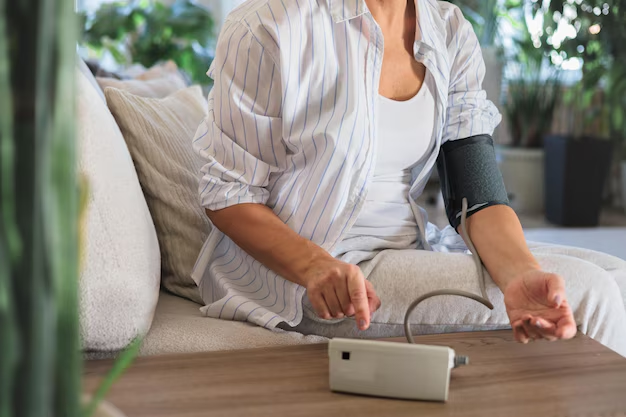
A blood pressure monitor, or sphygmomanometer, allows individuals to measure their blood pressure at home. Regular monitoring is particularly important for those with hypertension or cardiovascular diseases, as it helps manage and adjust treatment plans effectively.
Medicaid's Role in Providing Medical Equipment
Medicaid's coverage varies by state due to specific state policies and different definitions of medical necessity. Generally, Medicaid will cover durable medical equipment (DME) if it supports diagnosis, treatment, or the prevention of a medical condition. Blood pressure monitors fall under this category when prescribed by a healthcare professional.
Steps to Gain Access to a Free Blood Pressure Monitor
1. Consult with Your Healthcare Provider
The first step is to talk to your primary healthcare provider. They must determine if a blood pressure monitor is medically necessary and provide a prescription. This prescription is crucial for Medicaid coverage.
Why a Prescription Matters
A prescription serves as proof of medical necessity. Without it, Medicaid cannot justify the allocation for the equipment. The physician's note should articulate the specific medical conditions necessitating home monitoring.
2. Verify Medicaid Coverage
After securing a prescription, verify your Medicaid plan. Not all state Medicaid programs cover the same equipment. It's imperative to understand the specifics of your state's policy.
Ways to Verify Your Coverage
- Contact Medicaid Directly: Call the customer service line provided on your Medicaid card.
- Check Online Portals: Many state Medicaid programs have online resources outlining covered benefits.
- Consult a Caseworker: If you have a Medicaid caseworker, they can offer personalized advice and guidance.
3. Connect with a Durable Medical Equipment Provider
Once Medicaid coverage is confirmed, the next step involves finding a durable medical equipment (DME) provider that accepts Medicaid. These suppliers are responsible for distributing medical equipment to Medicaid recipients.
Choosing the Right DME Provider
- Find Registered Providers: Use the Medicaid directory to locate registered DME suppliers.
- Verify Acceptance of Medicaid: Ensure the supplier accepts your Medicaid plan and is familiar with processing claims.
- Inquire About Delivery Options: Some providers offer direct-to-home delivery, making the process convenient.
4. Submit Required Documentation
Coordinate with both your healthcare provider and DME supplier to ensure all required documentation is submitted in a timely fashion. This generally includes:
- Prescription: Provided by your healthcare provider.
- Medicaid Information: Your Medicaid ID or other necessary identification.
- Additional Forms: Some suppliers may need specific forms filled by the physician or beneficiary.
5. Await Approval and Delivery
Once all the paperwork is submitted, Medicaid will review the request. Approval times can vary, but once approved, the DME supplier will handle delivery logistics.
Factors Influencing Approval Timing
- Completeness of Documentation: Ensure no critical information is missing.
- State-Specific Processes: Some states have streamlined systems, leading to quicker approvals.
Navigating Potential Challenges
Getting a blood pressure monitor through Medicaid might not always be straightforward. Here's how to tackle common issues:
Denials or Delays in Approval
If your request is denied or delayed, investigate the reason. Often, a simple documentation error can stall the process. If denied:
- Request Clarification: Contact Medicaid for the specific reasons behind denial.
- File an Appeal: Most states have an appeal process for denied claims.
- Consult Your Healthcare Provider: They may update prescriptions or provide additional justification.
Finding a Compatible DME Provider
In areas with fewer DME suppliers accepting Medicaid, expanding your search radius or consulting Medicaid can provide alternative resources.
Related Considerations and Tips
Incorporating Lifestyle Changes
Using the monitor is only one factor in managing blood pressure. Additional steps can include:
- Diet Adjustments: Reducing salt intake, increasing fruits and vegetables.
- Regular Exercise: Consistent physical activity helps maintain healthy blood pressure levels.
- Stress Management: Practices like yoga or meditation can positively impact cardiovascular health.
Keeping Logs and Reporting
Consistency in tracking your blood pressure readings is crucial. Keep a log of daily readings to share with your healthcare provider. This data assists in adjusting treatment plans when necessary.
💡 Key Takeaways
- Ensure Medical Necessity: A prescription from your healthcare provider is crucial.
- Understand Medicaid Coverage: Verification is essential as policies vary by state.
- Leverage Support Systems: Use Medicaid resources and caseworker assistance if needed.
- Maintain a Healthy Lifestyle: Incorporate beneficial lifestyle practices for better health outcomes.
📝 Summary Checklist
Here’s a quick checklist to get you started:
- 📞 Consult Your Doctor: Obtain a necessary prescription.
- 🔍 Verify Coverage: Confirm with Medicaid about equipment benefits.
- 🏬 Find DME Provider: Ensure they accept Medicaid.
- 📋 Submit Documentation: Include all necessary paperwork.
- 📦 Track Approval and Delivery: Follow up on progress as needed.
Securing a blood pressure monitor through Medicaid offers a valuable resource in managing your health effectively. By understanding the process, verifying coverage, and collaborating with healthcare professionals, you can gain the necessary tools to monitor your health at home confidently. While the path to obtaining a monitor might involve several steps, the long-term benefits make it worthwhile. Empower yourself with knowledge and take proactive steps toward better health management without financial stress.
Related Topics
- A/r Medicaid
- Am I Eligible For Medicaid
- Am I Qualified For Medicaid
- Are Illegal Aliens Eligible For Medicaid
- Are Illegal Immigrants Eligible For Medicaid
- Are Medicaid Payments Frozen
- Are Medicare And Medicaid Social Insurance
- Are My Children Eligible For Medicaid
- Are Trusts Exempted From Ssi And Medicaid
- Are Undocumented Immigrants Eligible For Medicaid
