Unveiling the Medicaid Card: What You Need to Know
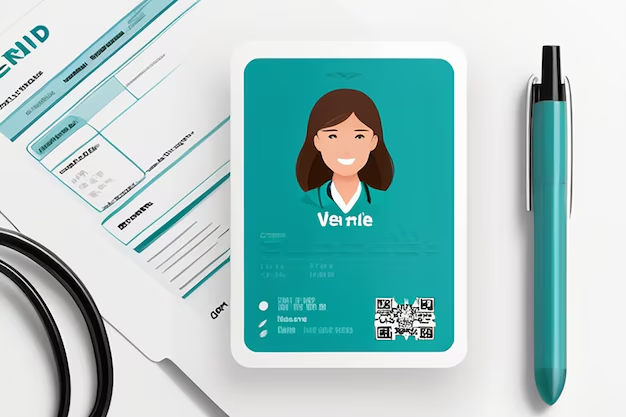
Navigating the world of healthcare can often feel like a daunting maze, and when it comes to understanding Medicaid, the heart of U.S. public health insurance for low-income individuals, there's no shortage of questions. One question that often arises is: What does a Medicaid card look like? This seemingly simple query can lead to insights into not only the physical appearance of the card but also its functionality, importance, and how it fits into the broader narrative of healthcare access. Let's dive deeper into this essential component of Medicaid coverage.
A Glimpse at the Medicaid Card
At first glance, a Medicaid card might appear as just another piece of plastic in your wallet, but its significance goes far beyond its modest appearance. These cards serve as a gateway to essential healthcare services for millions of Americans.
Physical Features of a Medicaid Card
Standard Identity Features
Material: Typically, a Medicaid card is made of durable plastic, much like a standard credit card. Some states may use a paper version, which can easily be carried around but may not be as durable.
Dimensions: The dimensions of the card generally align with that of a typical ID card, ensuring it fits perfectly in wallets or cardholders.
Information Displayed: Key details typically include the cardholder's name, a Medicaid ID number, and possible additional information like the state of issue.
State Variations: As Medicaid is state-administered, the design and information layout may vary across states. Some states may include the cardholder's photo or specific healthcare provider details on the card itself.
Why the Design Matters
The design of Medicaid cards is not merely for aesthetic purposes. It's crafted to ensure quick and efficient access to healthcare services. The unique ID numbers and other detailed information facilitate seamless transactions and verification processes at medical facilities.
The Functionality of Medicaid Cards
While understanding what a Medicaid card looks like is useful, delving into how it functions offers practical benefits for cardholders.
Key Roles of a Medicaid Card
Proof of Insurance: At its core, the Medicaid card is proof that the individual is enrolled in the Medicaid program. Presenting this card at healthcare facilities enables the cardholder to access services at reduced or no cost.
Verification Tool: Healthcare providers use the information on the card to verify eligibility and coverage specifics. This is crucial for ensuring timely and adequate patient care.
Eligible Services
Medicaid cards open doors to a variety of healthcare services. Here’s a brief overview of what they can typically unlock:
Primary Care Visits: Routine doctor visits for check-ups and general health maintenance.
Specialist Visits: Referrals to specialists for specific health issues are often covered.
Prescribed Medications: Medicaid often covers a wide range of prescription drugs, ensuring that enrollees get the necessary medications without financial burden.
Hospital and Emergency Services: Critical healthcare services such as hospital stays or emergency room visits are usually covered.
💡 Quick Tip: Always carry your Medicaid card. It's your key to accessing these necessary services and avoiding potential delays or denials of service.
Common Questions About Medicaid Cards
Navigating Medicaid can be complex; let’s address some frequent inquiries to clarify understanding and ease concerns:
What If I Lose My Medicaid Card?
Losing a Medicaid card can be stressful, but there are streamlined processes in place for such situations. Generally, cardholders should:
Contact Their State Medicaid Office: Initiate contact to report the loss and request a replacement card.
Follow Verification Procedures: Be prepared to verify your identity and provide personal details to facilitate the process.
Stay Informed: Know that online portals are available in many states for managing Medicaid accounts and ordering replacement cards.
Can I Use My Medicaid Card in Any State?
Medicaid is state-specific; however, there are certain cross-state exceptions, particularly for emergency care. It’s advisable to:
Check Reciprocal Agreements: Some states have reciprocal agreements allowing Medicaid use for non-emergency services.
Gain Prior Approval: If you need routine services in another state, seek prior approval from both originating and host state Medicaid offices.
Do Medicaid Cards Expire?
Yes, Medicaid cards can expire. Expiry is contingent upon continued eligibility which may require periodical renewals or updates to personal information. It’s important to:
Monitor Expiry Dates: Keep track of when your card might expire to ensure uninterrupted access to healthcare services.
Respond Promptly to Renewal Notices: Respond to any state communications regarding your Medicaid eligibility or renewal requirements.
Transitioning into Health Plans: Managed Care
Understanding Managed Care in Medicaid
Managed care is a system where Medicaid recipients are enrolled in private health plans that contract with Medicaid. These plans provide comprehensive health services and can impact how Medicaid cards are utilized.
Plan-Provided Cards: Enrollees of managed care plans often receive a card from the health plan in addition to the Medicaid card. Both cards are necessary for accessing full benefits.
Integrated Services: Managed care plans typically cover a range of services including those mandated by Medicaid, often adding additional services.
Key Benefits of Managed Care
Many find managed care within Medicaid advantageous due to:
Coordinated Care: Focused on integrating multiple services and providers, managed care plans enhance coordinated care.
Value-Added Services: Beneficiaries may receive access to additional services not available under regular Medicaid programs, such as wellness incentives.
A Visual Summary: Navigating Your Medicaid Card 🗂️
Below is a table summarizing essential actions and tips for maximizing the utility of your Medicaid card:
| Action | Description |
|---|---|
| 💳 Carry at All Times | Ensure you always have your Medicaid card when visiting healthcare facilities to prevent service denial. |
| 📞 Lost Card Protocol | Immediately contact your state's Medicaid office if your card is lost to request a replacement. |
| 🌍 Out-of-State Use | Verify cross-state agreements and obtain any necessary approvals if seeking care in a different state. |
| 🔄 Check Expiry Dates | Keep an eye on your card's validity and renew eligibility as required. |
| 🔄 Managed Care Benefits | If enrolled in managed care, utilize both Medicaid and plan-provided cards to receive full benefits, and take advantage of any additional services offered by the health plan. |
In conclusion, understanding the intricacies of your Medicaid card—from what it physically looks like to the wealth of services it grants access—can significantly enhance your healthcare experience. Remember, your Medicaid card is more than just an ID; it's a pivotal tool in maintaining your health and wellbeing. By staying informed and proactive, you can ensure that this vital piece of plastic works efficiently in your favor, opening doors to necessary healthcare services.
Related Topics
- A/r Medicaid
- Am I Eligible For Medicaid
- Am I Qualified For Medicaid
- Are Illegal Aliens Eligible For Medicaid
- Are Illegal Immigrants Eligible For Medicaid
- Are Medicaid Payments Frozen
- Are Medicare And Medicaid Social Insurance
- Are My Children Eligible For Medicaid
- Are Trusts Exempted From Ssi And Medicaid
- Are Undocumented Immigrants Eligible For Medicaid
